Guest Experience Software for Short-Term Rentals: What It Actually Is (and How to Pick One)

Published
Last updated
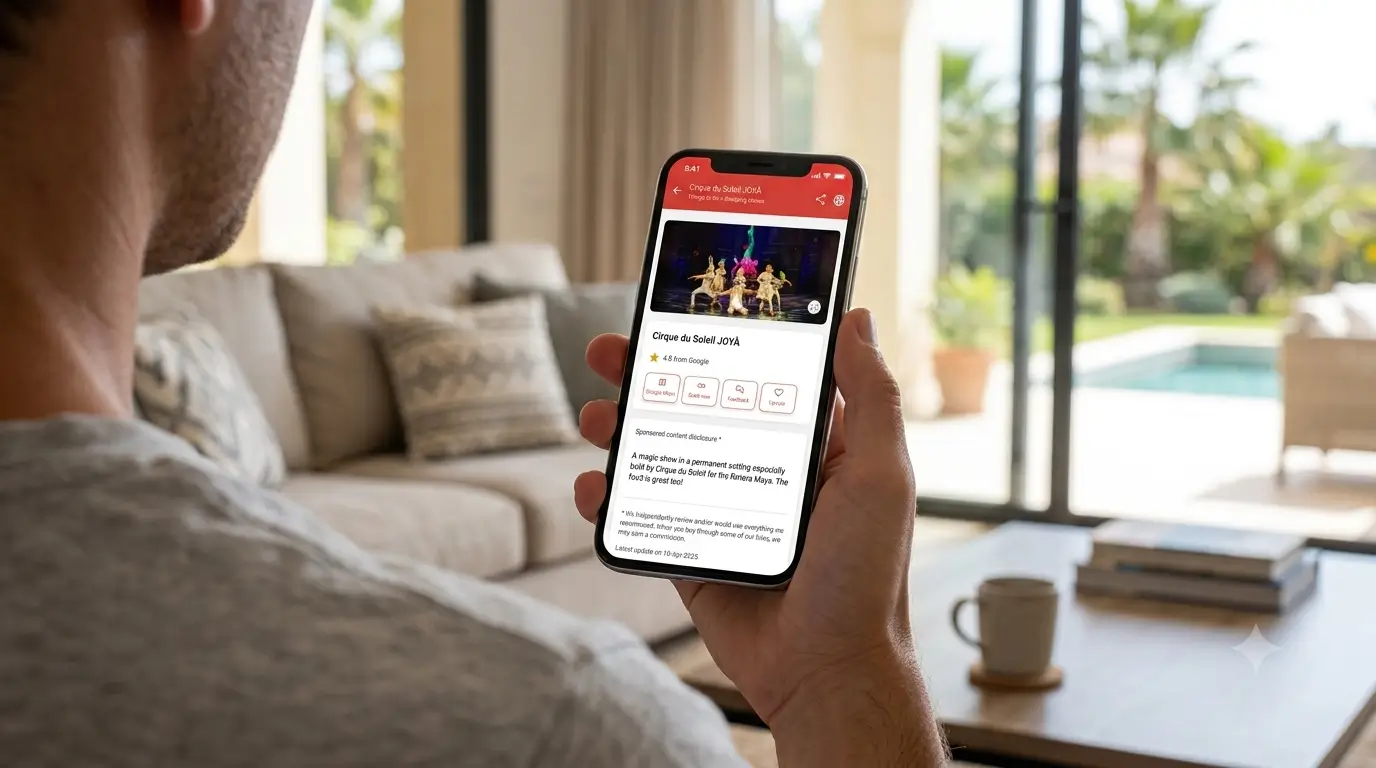
Guest experience software for short‑term rentals provides the digital guidebook, AI‑powered concierge, guest registration and OTA‑compliant tools that help hosts deliver consistent, on‑demand information to guests without replacing their PMS. When choosing a solution, focus on the specific guest‑facing problems you need to solve and compare how each platform handles guidebook updates, multilingual support, compliance and pricing.
Book three demos and all three vendors will call themselves guest experience software. One will show you a digital guidebook. One will show you a shared inbox. One will show you an upsell store for early check-in. Same phrase, three different products, and you still have to decide which one you're buying.
What is guest experience software for short-term rentals?
In the short-term rental industry, "guest experience software" generally describes the tools a guest interacts with after they book: the digital guidebook, arrival and access details, local recommendations, questions answered on demand, and guest details captured before check-in. It overlaps with your property management system, but it isn't the same job. A PMS runs the reservation itself — calendar, rates, channels, payouts. While many PMSs now include guest-facing features, a dedicated guest experience platform focuses on improving what guests read, access, and interact with after booking.
Keep that distinction in view while you compare tools. A lot of the confusion comes from products that sit in both camps at once.
The category has no agreed definition yet
There's no standards body handing out the label, so each company tends to define "guest experience" around what it happens to do best. That's why the demos could contradict each other. A guidebook company means the content guests read. A messaging company means the thread you have with them. An upsell company means the money guests spend after booking.
None of those definitions is wrong. They're each describing a different part of the guest journey. There are roughly five of those parts, and most tools are strong in one or two.
So before you compare tools, write down the specific thing that's going wrong at your properties. "Guests text me for the wifi password at 11pm." "Nobody can find the parking." "My cleaner's version of the checkout instructions is different from mine." Those sentences will do more to narrow the field than any feature grid, because they tell you which job you're actually hiring for.
Guest experience software vs. a PMS
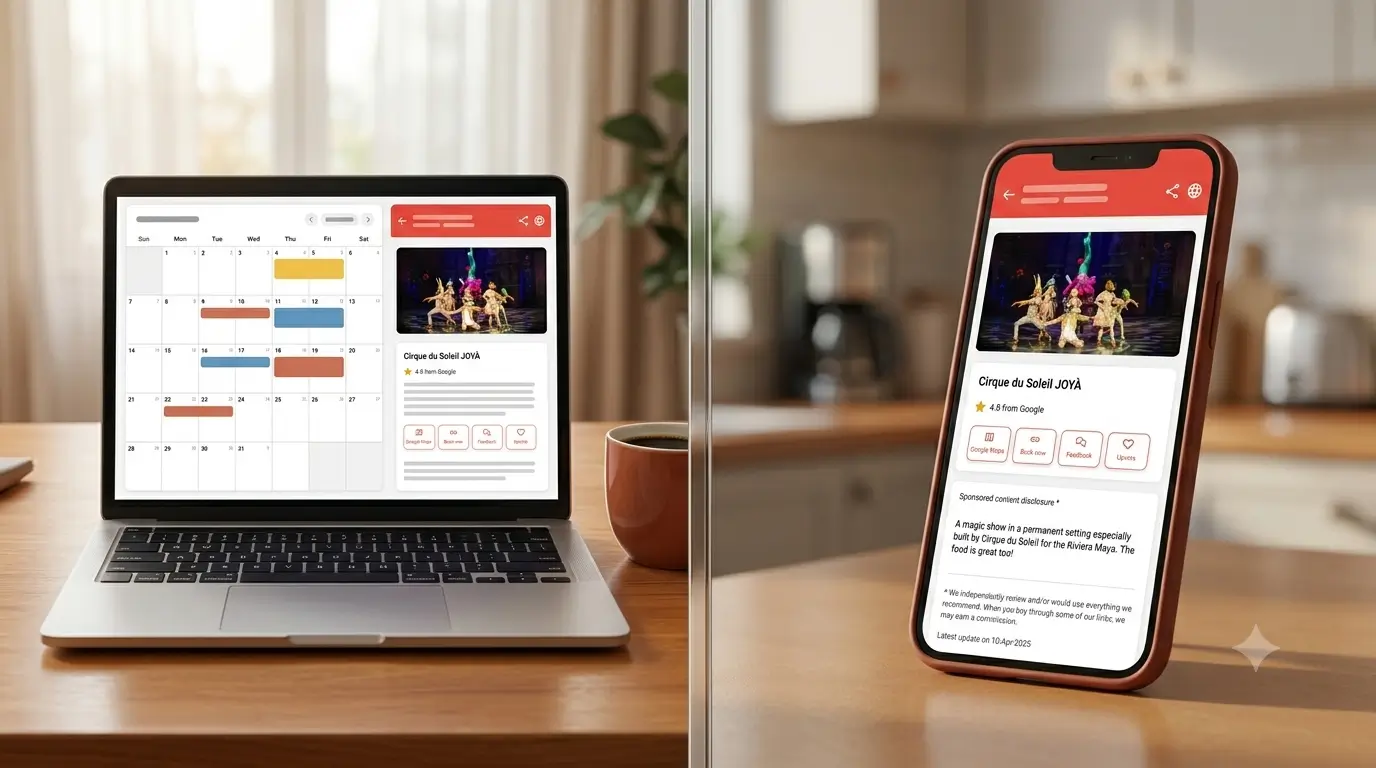
Hosts conflate these constantly, and it costs money both ways: buying a PMS and expecting the guest side to be handled, or buying a guidebook and expecting the calendar to sync.
Property management system | Guest experience software | |
|---|---|---|
Who it serves | You and whoever helps you run the place | Your guest, from booking to checkout |
Core job | Reservation, calendar, rates, channels, payouts | What the guest reads, asks, and needs to know |
Who logs in | You, your co-host, sometimes your cleaner | The guest, ideally with no login and no app |
A bad day looks like | A double booking, a payout that didn't land | A guest standing outside the door at midnight |
Buy it when | You have two-plus properties, or two-plus channels | Guests keep asking things your listing already answered |
Lives where | Your laptop | Your guest's phone |
They're not always competitors. Many modern PMS platforms now bundle messaging, guidebooks, guest portals, and digital check-in, and plenty of operators still add a dedicated guest experience platform on top, especially once guest communication becomes something they compete on. The better tools in this category are highly customizable and on-brand and built to layer over a PMS, not replace it.
What's actually inside the category
Five jobs get sold under one label. Sort the demos into these buckets and the noise drops:
The guidebook. Wifi, door codes, how the AC works, checkout, the good taco place. The thing guests actually open.
Answers on demand. Something that responds when the guidebook didn't cover it, at 2am, in whatever language the guest speaks.
Arrival information. Directions, parking, access instructions, what to do when the code doesn't work. Note that this is information about access, not the lock itself.
Guest data. Who's actually in the property, their contact details, consent captured properly.
Messaging and upsells. Scheduled sends, a unified inbox, selling early check-in. A genuinely different product, often from a different vendor.
You don't need all five. Most hosts have one job that's actually hurting, and buying a platform to solve the other four is how the budget disappears.
Who actually needs guest experience software?
If you host one cabin that takes ten bookings a year, you probably don't need another platform, unless you're fielding the same questions on every stay. A well-written listing and a printed sheet can carry a simple, single-channel setup a long way.
It starts paying off when the repetition does. If you run more than one property, share the work with a co-host or cleaner, sell across Airbnb and Vrbo and a direct site, or answer the same wifi-and-parking questions every week, a dedicated tool buys back the time and keeps the guest-facing information consistent everywhere it lives. That consistency is the part scattered spreadsheets and one-off PDFs quietly lose.
The first time we realized we had a version-control problem was after we changed the building entrance code at our place in Tulum. The printed welcome sheet had the new code. The scheduled check-in message still had the old one. An older PDF we'd shared with a repeat guest had something different again. The guest got in eventually, but only after messaging us to sort out which code was real. That was the day we decided every piece of guest information needed a single source of truth.
Questions to ask on the demo
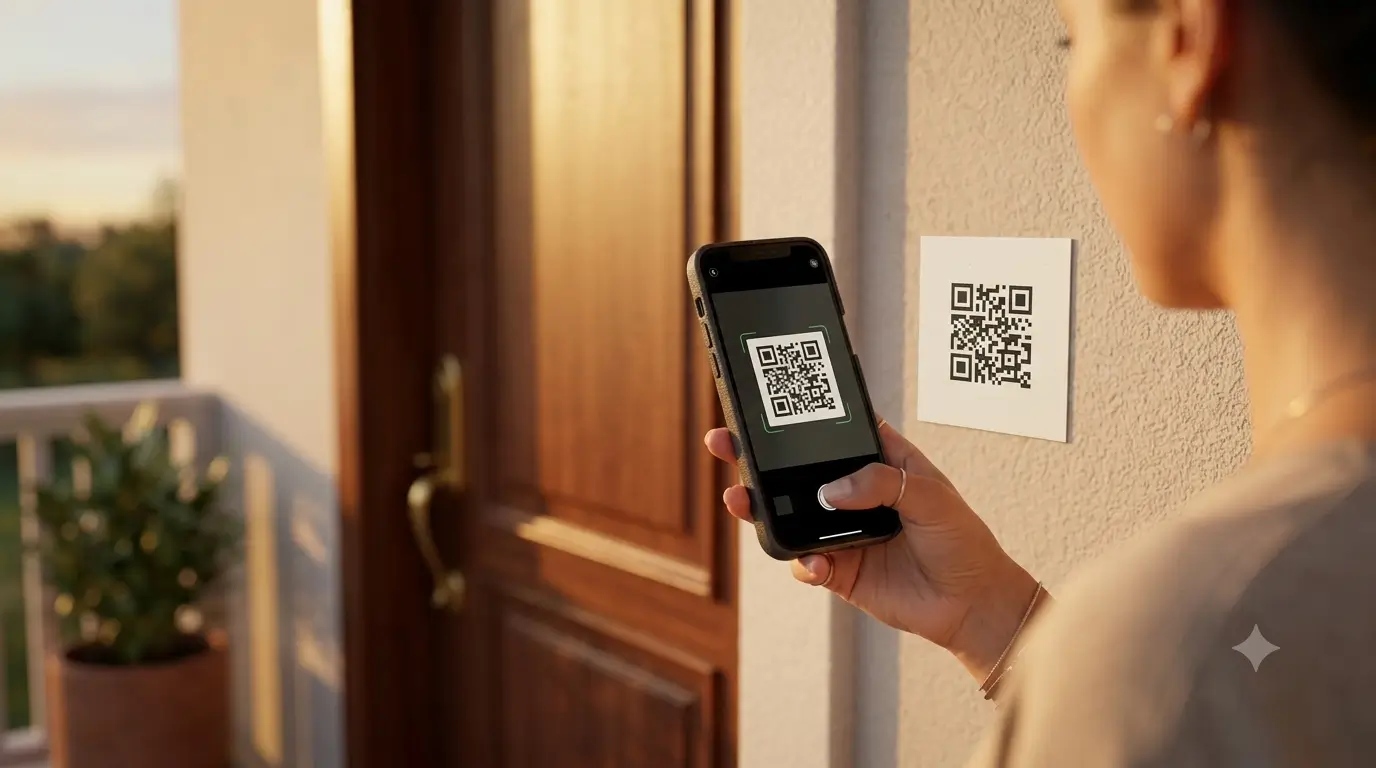
Does the guest have to download anything? Most guests are reluctant to download another app for a short stay. Big hotel brands can pull it off; a four-night rental usually can't. A link or QR code that opens straight in the browser will always see more use.
Can you update once and have it live everywhere? Building the guidebook is the easy part. The cost shows up the day the gate code changes and you have to find every place you wrote it down.
What language does the guest read it in? Not what language you wrote it in. If a French family books, the content should be French without you doing anything.
Does it respect each booking platform's rules? Each channel has its own policies on external links, contact information, and direct-booking promotion. If you take bookings across more than one, your tool should help you stay inside each set of rules, rather than handing you a single link for every channel and leaving the compliance to you.
Who owns the guest data? If you're collecting contact details, you should be able to export them. Ask to see the export before you sign.
How much can you customize it? Think your own brand, colors and different layouts.
How does it price when you add a unit? Per-property pricing that stays flat per unit is predictable. Tier jumps at property four are how a cheap tool becomes an expensive one.
Has anyone building it ever hosted? You can hear the answer in ninety seconds. Ask what they'd put in the checkout instructions and see if they know.
Where SmoothStay fits
SmoothStay is the guest-experience layer, not the back office. What's live today: a digital guidebook guests open in a browser with nothing to install, an AI Concierge that answers guest questions only from your guidebook content, guest registration with consent capture and CSV export, automatic translation into 100+ languages, QR codes and deep links, and a multi-property dashboard. Pricing is per guide, room, or unit. There's a free tier for one property that covers the guidebook itself with no card; the AI features come with a paid plan.
What we don't do: your calendar, rates, payouts, or channel management. Keep your PMS. Ours is Hospitable, and we're not trying to replace it. Scheduled messaging, a unified inbox, and operations tooling aren't part of what ships today either; those are directions we're building toward, and we'd rather say so now than after you've signed.
One of the parts we take seriously is the one hosts get burned by: OTA compliance is built into how sharing works, at the link, article, and widget level. You mark the direct-booking content once. When a reservation link comes from a booking source you've set as an OTA, the restrictions apply on their own, with no per-guest toggle to remember.
Two edges worth knowing before you buy. A general or public link you paste into an Airbnb message still needs you to set it to Restricted first, and nothing scans your articles to decide what counts as direct-booking language; you mark them, the platform enforces the marking. Worth asking every tool on your shortlist which parts of compliance are automatic and which parts still need you to remember something.
Dominique and Diego run properties in Washington, DC and the Riviera Maya, and every one of them runs on SmoothStay.
FAQ
Is guest experience software the same as a PMS?
No. A PMS usually manages the reservation: calendar, pricing, channels, payouts. Guest experience software manages what the guest reads and asks after booking. Many modern PMSs now include guest-facing features, but plenty of operators still run a dedicated guest experience platform on top, especially once guest communication becomes something they compete on.
Do I need guest experience software if I only have one property?
If your listing description and a laminated sheet answer every question your guests ask, no. If you're answering the same wifi and parking questions every week, a digital guidebook will pay for itself in messages you don't send. Free tiers exist, so the test costs nothing but an evening.
Can't I just use Airbnb's built-in guidebook?
You can, and it's worth filling in. But it only reaches guests who booked on Airbnb, it doesn't give them the same searchable, AI-answered knowledge base a dedicated platform does, and it doesn't come with you to Vrbo or a direct booking. If Airbnb is your only channel and your place is simple, it may be all you need. If you want an Airbnb guidebook alternative that travels across every channel, that's the gap these tools fill.
Does using this kind of tool break Airbnb's rules?
Not by itself. Sharing a guidebook with a confirmed guest is fine. The rules concern direct-booking solicitation and taking guests off-platform, which is why channel-aware controls matter. The tool should know a booking came through Airbnb and hide direct-booking content on that link automatically.
What should guest experience software cost?
Prices move around, so treat any number you see as a starting point. As a rule, dedicated guidebook and guest communication software sits below full vacation rental software platforms that also bundle operations, messaging, revenue management, and channel management. The thing to check isn't the headline price, it's how it behaves when you add units.
Do guests actually open it?
Quite a few of them do, and we see it in our own guidebooks’ analytics. Nobody reads a guidebook cover to cover. They scan a QR at the door because the code isn't working, or search "wifi" at 11pm. Judge it by how many questions stopped arriving, not by how many guests read it end to end.
Try the guest-experience layer without rearranging your stack
If you'd rather not build and format all this yourself, you can have a digital guidebook running on one property in minutes, free, no card. It is a platform-agnostic tool that works on top of your existing PMS and booking channels.
Latest articles

Hotel Check-In Instructions That Still Work After the Desk Closes
Write hotel check-in instructions that survive a late, tired arrival: address, parking, access steps, and a no-front-desk plan. Copy-ready checklist inside.
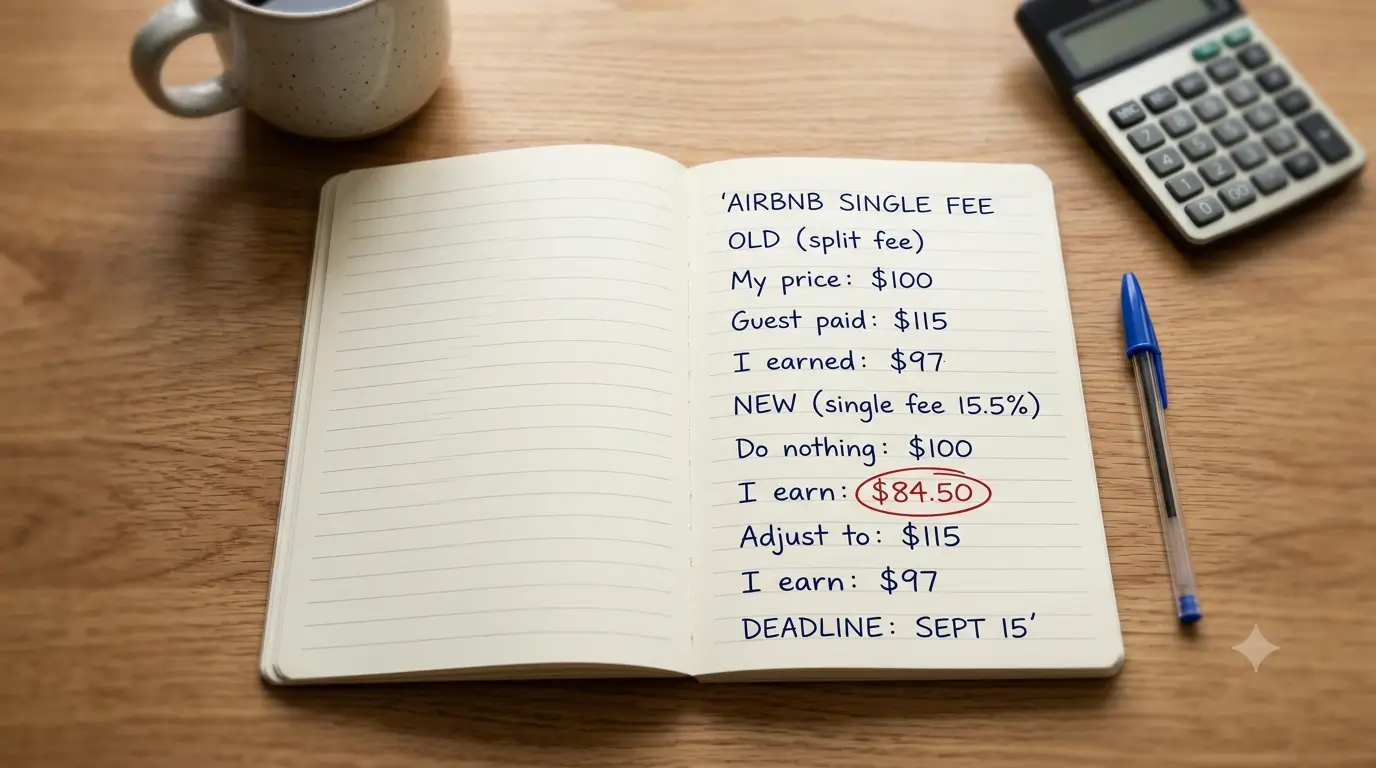
Airbnb's Single Service Fee: What It Actually Does to Your Payout
Airbnb's single service fee moves to 15.5% host-side in 2026. Find your deadline, reprice correctly, and stop your payout dropping $12.50 on a $100 night.
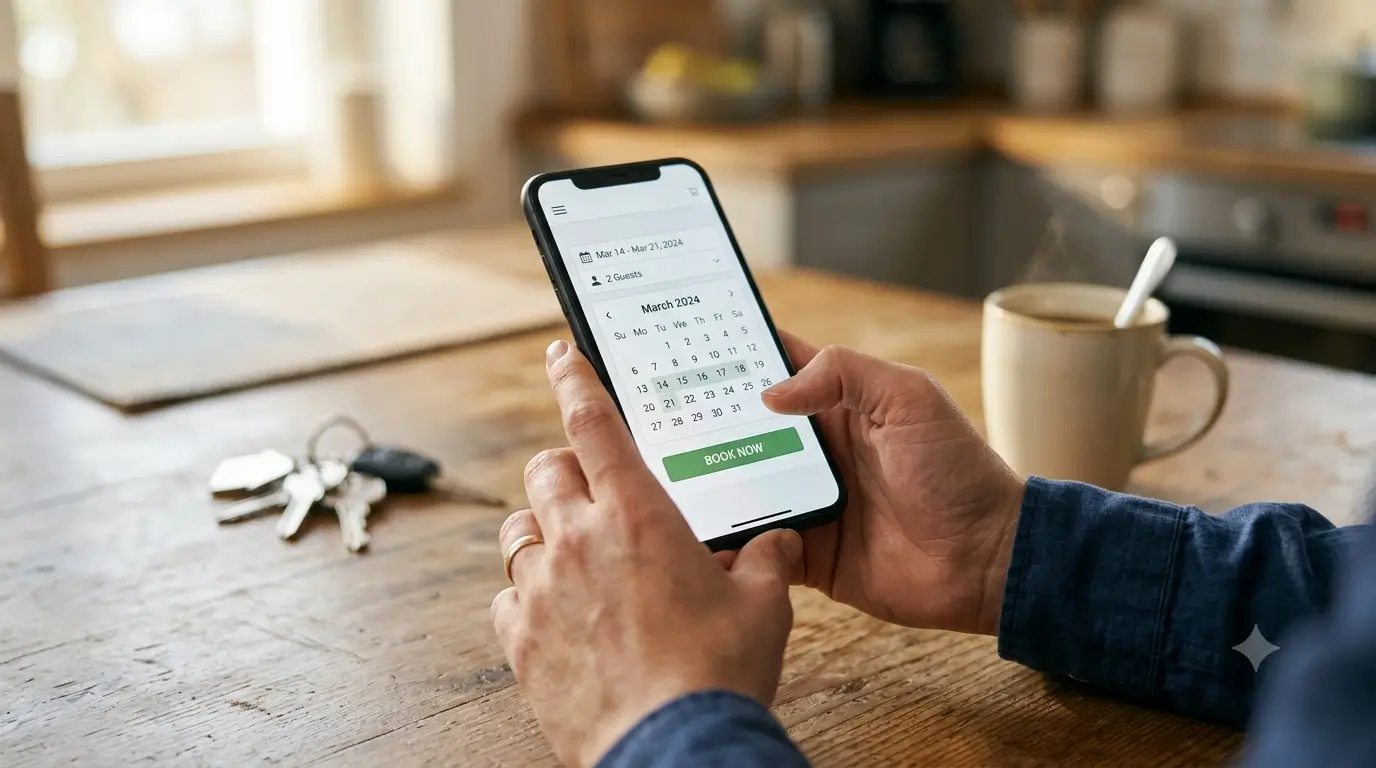
How to Get Direct Bookings for Your Vacation Rental (Without Risking Your Airbnb Account)
You can't harvest Airbnb guest emails. Here's how to get direct bookings for your vacation rental the honest way: a booking site, and a consent-clean list.

How to Get Repeat Guests (and Why It's Your Best Hedge in a Rate-Led Market)
AirDNA's 2026 data shows established listings hold rate while new ones discount. How to get repeat guests and own the guest relationship compliantly.