
Hosting can take under ten hours a week and still wear you down, because the load is being permanently reachable rather than being busy. Some hosts genuinely are buried in turnovers, and that needs a workload answer. For everyone else, systems and SOPs help and the effect compounds, but only the ones that let someone else close the loop change the feeling of being on call. It is also honest about the causes no system reaches.
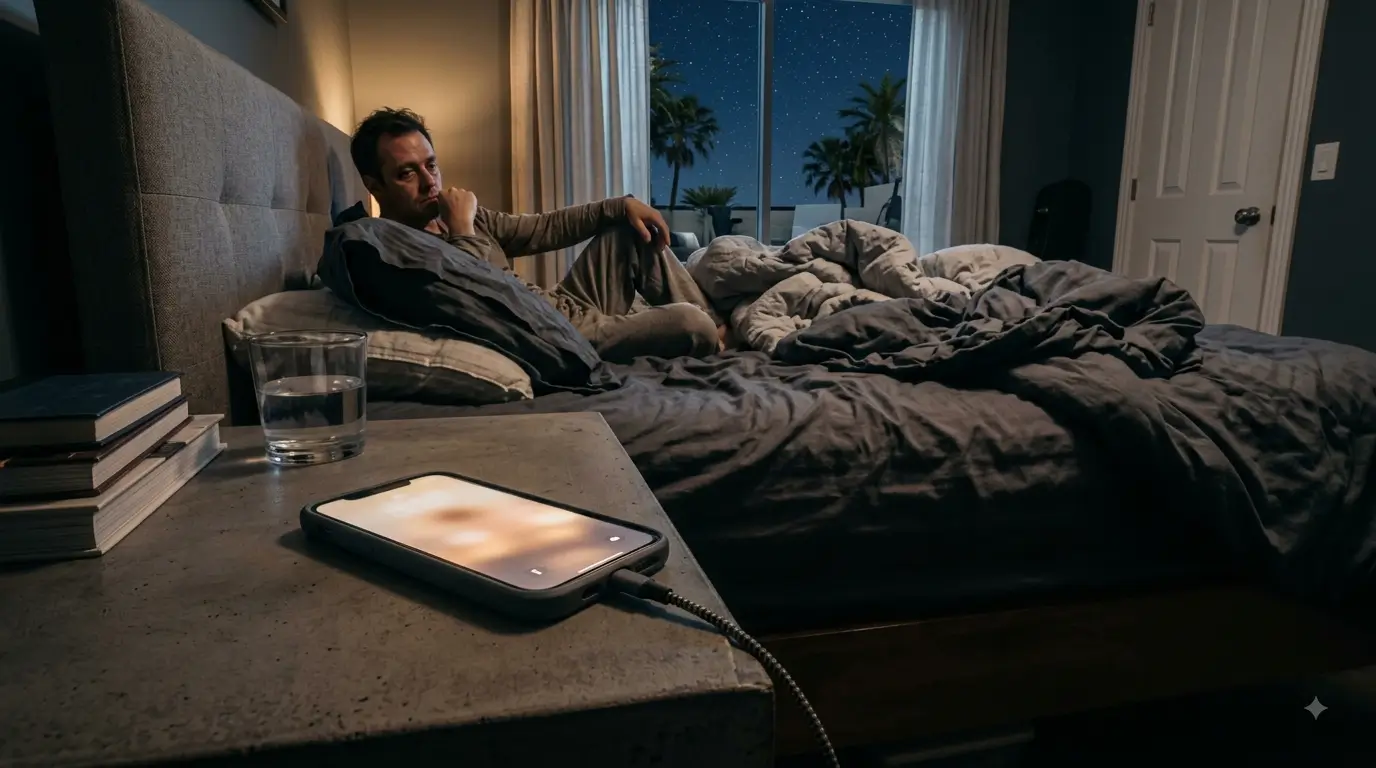
We were at dinner with friends, phone face-up on the table next to the water glass. Nothing was wrong. Something might be, so between courses one of us would check for a guest message or a note from the cleaner, find nothing, and put it back down. And the same thing happened first thing every morning. The needing to check was what burned us out, not what we found.
What actually causes Airbnb host burnout?
For many hosts, burnout is less about the hours than about feeling permanently on call. Not for everyone. If you run one property and you are drowning in turnovers and maintenance, that is a workload problem and it needs a workload answer. But plenty of hosts have the work under control and still feel worn down. Systems and SOPs help, and the more of the operation that runs without you the lighter it gets. What they do not remove is the checking. You can automate pricing, cleaning and check-in and still feel your stomach drop when the phone buzzes, because you are still the only one who can resolve it.
What Airbnb hosting stress actually feels like
This part is anecdotal, and worth saying so. It is what hosts describe in the host forums and subreddits, and more to the point it is what we have lived for ten years, across a row house in Washington, DC and properties in the Riviera Maya including two we co-host for other owners. In our experience, hosts who talk about burnout describe uncertainty and constant availability more often than a packed calendar. It is the pause on checkout day when eleven has come and gone, the cleaner has not messaged, and you cannot tell whether everything is fine or something is wrong.
None of that shows up as hours. The diagnosis picks the treatment: call it workload and you go buy more task automation, which is often not the piece that is missing.
Always on call: why an inbox is heavier than a task list
A task list has a bottom. An inbox is a queue of things other people opened and only you can close, and an unclosed thing is what the mind keeps circling back to. Ten unanswered messages do not cost ten units of work. They cost one long stretch of low-level checking.
The platform reinforces it, not unreasonably. Airbnb calculates your response rate from new messages answered within 24 hours, and Superhost status needs 90% of new threads answered inside that window. It is a fair rule. It just does not feel like 24 hours when the buzz could be a parking question or a guest at a locked door.
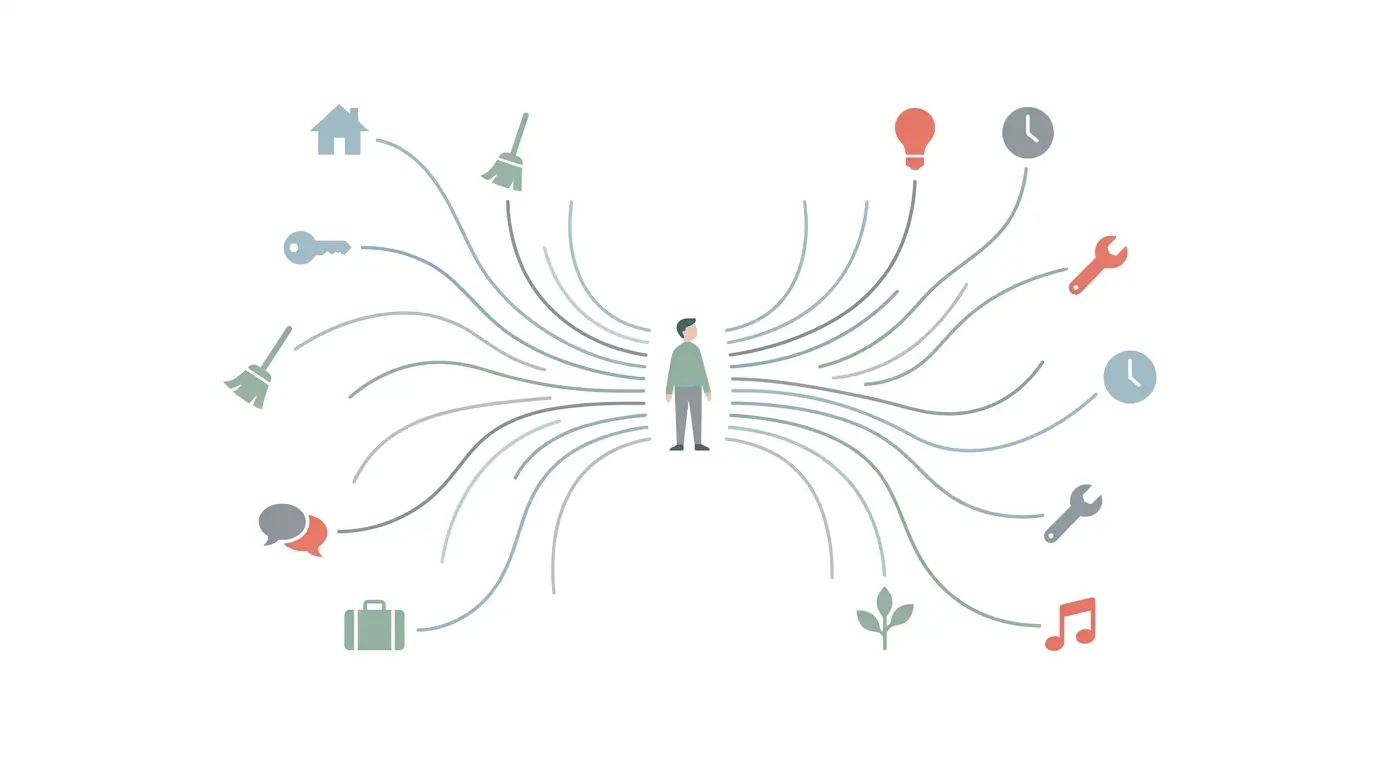
There is a structural piece too. For most hosts everything routes to one person: the guest, the cleaner, the handyman, the neighbor, the platform. Nothing gets resolved without you, which means nothing gets put down by you either.
Is Airbnb hosting passive income? What the numbers say
PriceLabs based its Global Host Report 2025 on responses from more than 1,400 hosts across four continents, most running one to four listings. It is vendor-published research and PriceLabs sells revenue software, so the sample leans toward hosts who already buy tools.
83% hold another job, which pushes the hosting into evenings and weekends.
71% spend under ten hours a week on hosting.
Hosts who embraced AI tools and hosts who called them overwhelming spent about the same time on their listings, an average of 8.3 hours a week.
71% feel anxious about negative reviews, and 63% about their ranking on the major platforms.
Most hosts report under ten hours a week, yet anxiety about reviews and rankings still runs high. That does not prove the hours are irrelevant, and for some hosts they are the whole story. It does suggest the hours alone do not explain the load.
How to reduce Airbnb host burnout: cut vigilance, not just tasks
Cutting tasks means doing fewer things. Cutting vigilance means shrinking the set of problems that can only be resolved by you, personally, awake. Some of what follows is standard; some is our opinion after ten years of getting it wrong both ways.
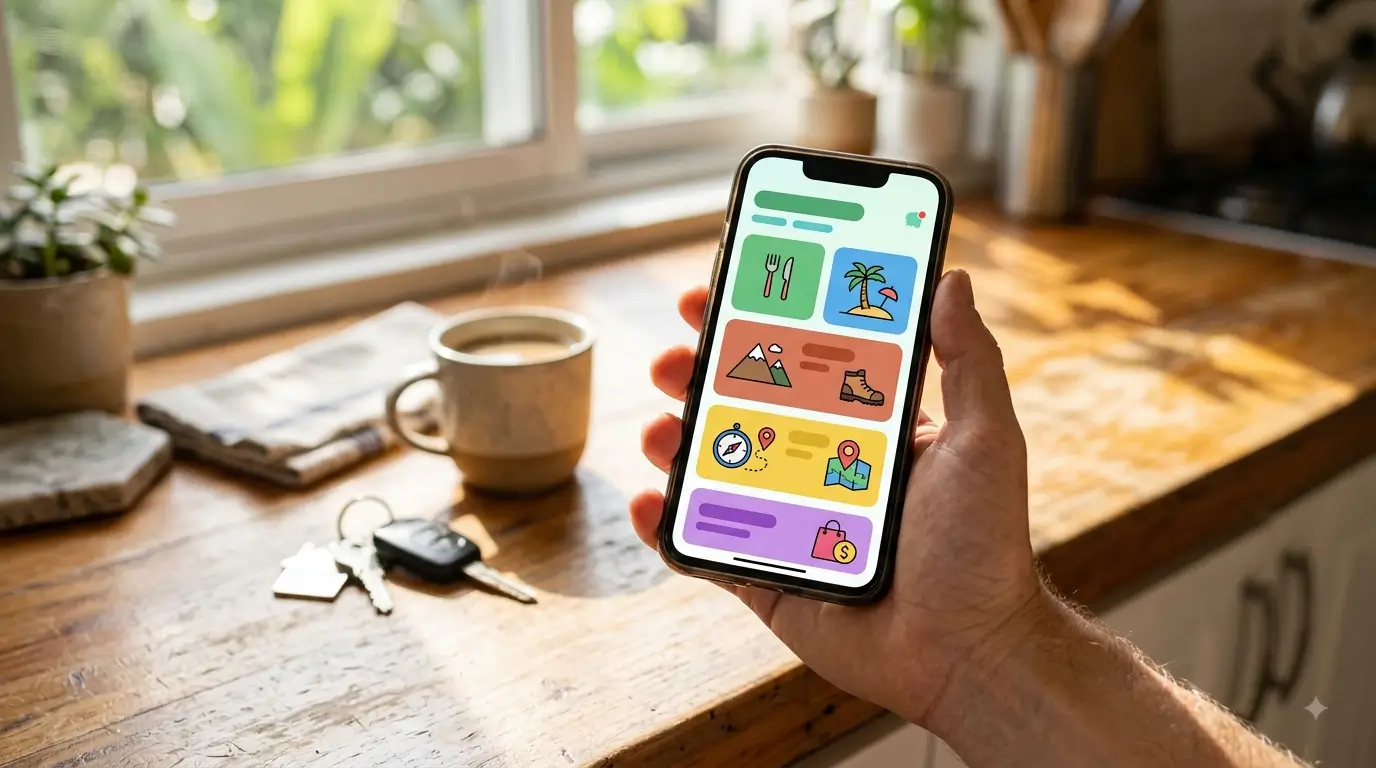
Cut the questions that need a human at all. The wifi password at eleven at night does not need you, it needs to be findable. Anything you have answered twice belongs somewhere the guest can reach on their own, which for us meant something they open on their phone rather than a PDF nobody reopens; the tactical version is here. Eventually we stopped retyping the same answers at midnight. An AI Concierge now answers those questions using information we had already written. This is one component of the system, not the system, and it does nothing about a broken water heater or a turnover that ran late.
Say your response hours out loud. Most hosts run an implicit rule (answer instantly, always) and never tell the guest. Write the explicit version into your arrival message: the hours you answer in, and what to do if it cannot wait. Silence they cannot interpret is what unsettles guests, not a stated window.
Batch what is not urgent. Two or three fixed check-ins a day rather than a glance every time the screen lights up. Genuinely hard, and it made the biggest difference for us.
Decide in advance what is worth being woken for, then make it sound different. Write the list down before you are tired. Ours is short: cannot get in, no water, no power, no air conditioning in a Mexican summer, anything to do with smoke or safety. Route those to an alert unlike everything else and turn the ordinary notifications down.
Get a second person, and write down what they can decide without you. A co-host, a partner, a neighbor with a key. The relief is not the tasks they take, it is no longer being the only possible answer, and that only holds if they have a written procedure rather than the habit of checking with you. Running several properties, we pay a handyman by the visit to walk each one after the turnover clean, for quality control and preventative maintenance. He replenishes what is low and catches what the cleaning missed. The peace of mind is most of what we are buying.
Worth saying plainly, because the list could read as anti-automation: it is not. Every system and SOP we have added has made hosting lighter, and the effect compounds; our guide to vacation rental automation covers the build-out. The point is narrower. Automating a task you did not mind doing does not change the checking. Automating a decision, so someone else closes the loop, does.
When better systems will not fix it
Better systems do not fix everything, and pretending otherwise would insult anyone reading this after a bad season. If the mortgage only works at ninety percent occupancy, every soft month is a real threat and no notification setting makes it calmer. A hostile neighbor is a relationship problem on your phone. A city rewriting its rental rules is a rational worry. And if you have found you do not enjoy having strangers in a house you love, that is information about the business, not a flaw to optimize away.
Some of it is channel anxiety, the worry about a ranking you cannot see inside, and that does not respond to better processes either. It responds to not having every booking depend on one algorithm. That means building your own demand alongside the platform. It does not mean moving Airbnb guests off it, which the platform's terms prohibit, and we wrote up the compliant version of direct bookings separately.
Sometimes the business needs to change rather than the system. Handing it to a manager, switching to long-term tenants or selling are decisions, not failures, and if that is your real question, treating hosting as a business is the better start.
FAQ
Is Airbnb hosting passive income?
No. In the PriceLabs Global Host Report 2025, 83% of hosts hold another job, so hosting sits on top of a working week rather than replacing one. A low but constant time commitment is not the same as passive.
Does automation actually reduce host stress?
In our experience yes, and it compounds: every system and SOP that lets something get resolved without you makes hosting lighter. The catch is which part you automate. Taking a task off your own list is not the same as letting someone else close the loop, and only the second one changes how it feels to be on call.
How do I stop checking my phone constantly as a host?
Give the phone less to say. Reduce the messages that need you, tell guests the hours you answer in, and put genuine emergencies on an alert that sounds unlike everything else. Most hosts we know needed a written rule about what counts as urgent, not more willpower.
Is hosting on Airbnb still worth it?
For us, yes, but that is our answer and not a general one. It is a business with a low, constant time commitment and a real emotional load, and whether that trade works depends on your numbers, your market and whether you like the work. Asked seriously, it deserves a spreadsheet and a conversation, not a blog post.
What if better systems do not fix it?
Then it may not be a systems problem, and that is worth knowing rather than working around. Leverage, regulation and simply not enjoying the work are causes no tool addresses. Talk it through with someone you trust, and treat changing the shape of the business, or leaving it, as a legitimate option.
One less thing that has to reach you
If the repetitive questions are the part wearing you down, that is one piece you can hand off without hiring anyone. A digital guidebook with your recurring answers, a QR code at the door, and an AI Concierge answering from what you wrote can be running in an afternoon. One component of the wider system, not a replacement for it. It takes one category of message off the phone.
Built by hosts. Dominique and Diego run properties in Washington, DC and the Riviera Maya.
Latest articles
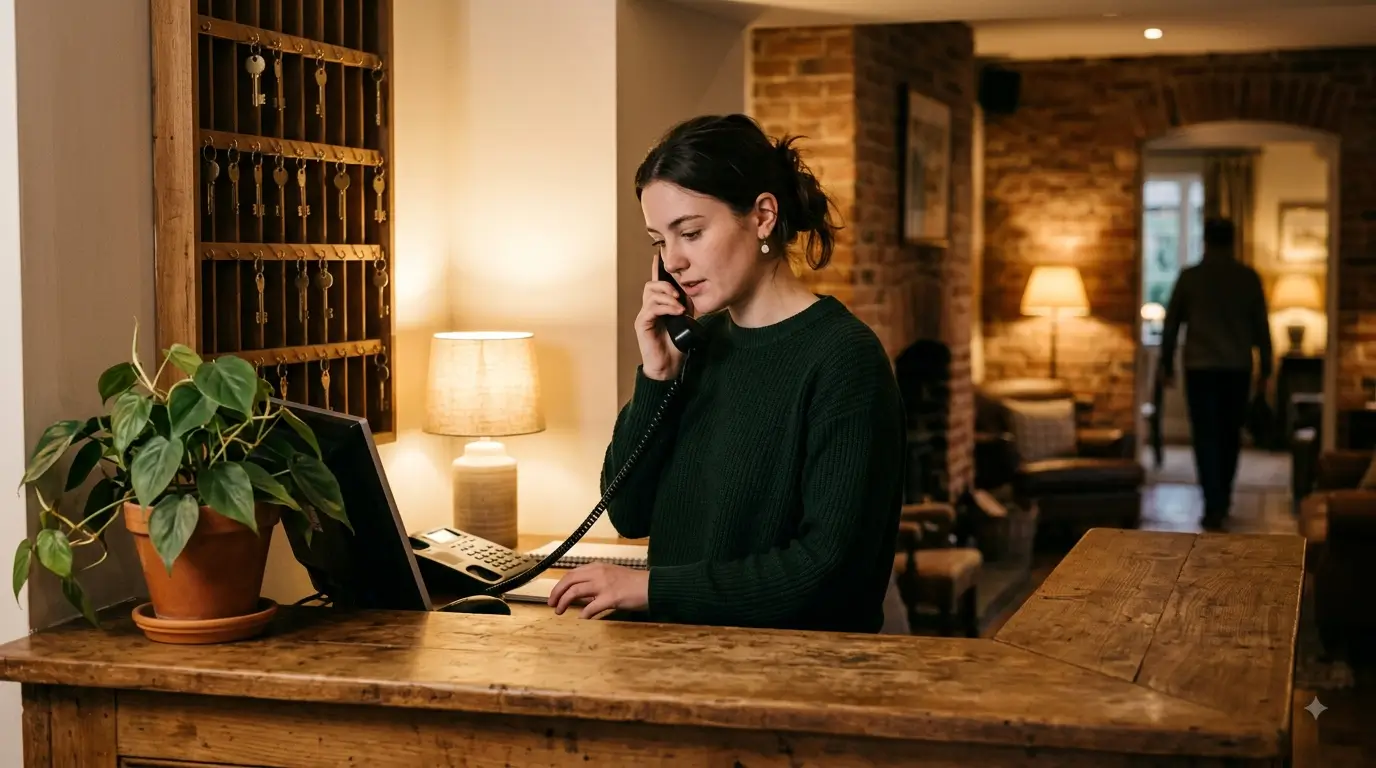
Book Direct With a Hotel: What Guests Want When They Call
Guests who book direct with a hotel want more than a discount. What small operators need to catch the enquiry, and what to send once the booking is theirs.
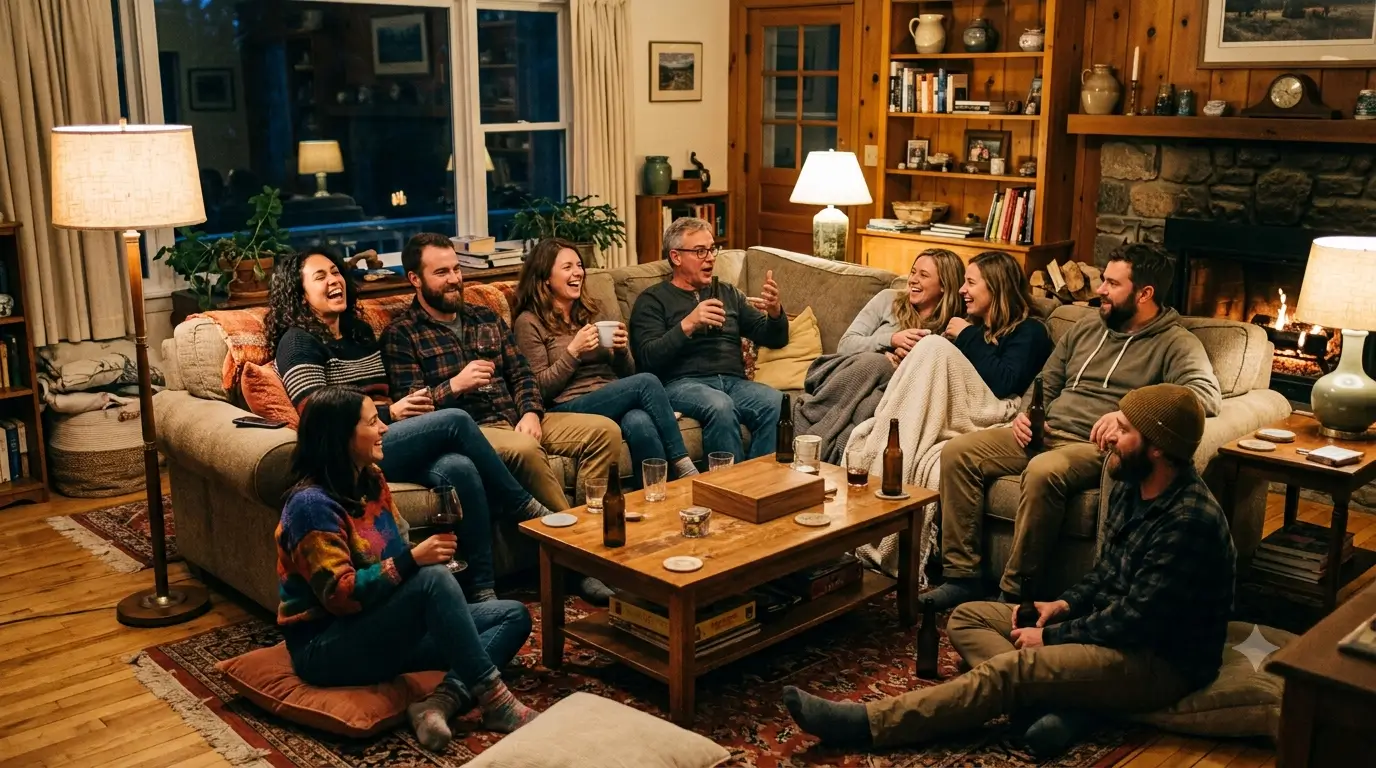
The Airbnb Extra Guest Policy: How Strict Do You Actually Need to Be?
An Airbnb extra guest policy that fits the booking, not a blanket rule: why we charge no extra guest fee, how guest reviews change it, and wording to copy.
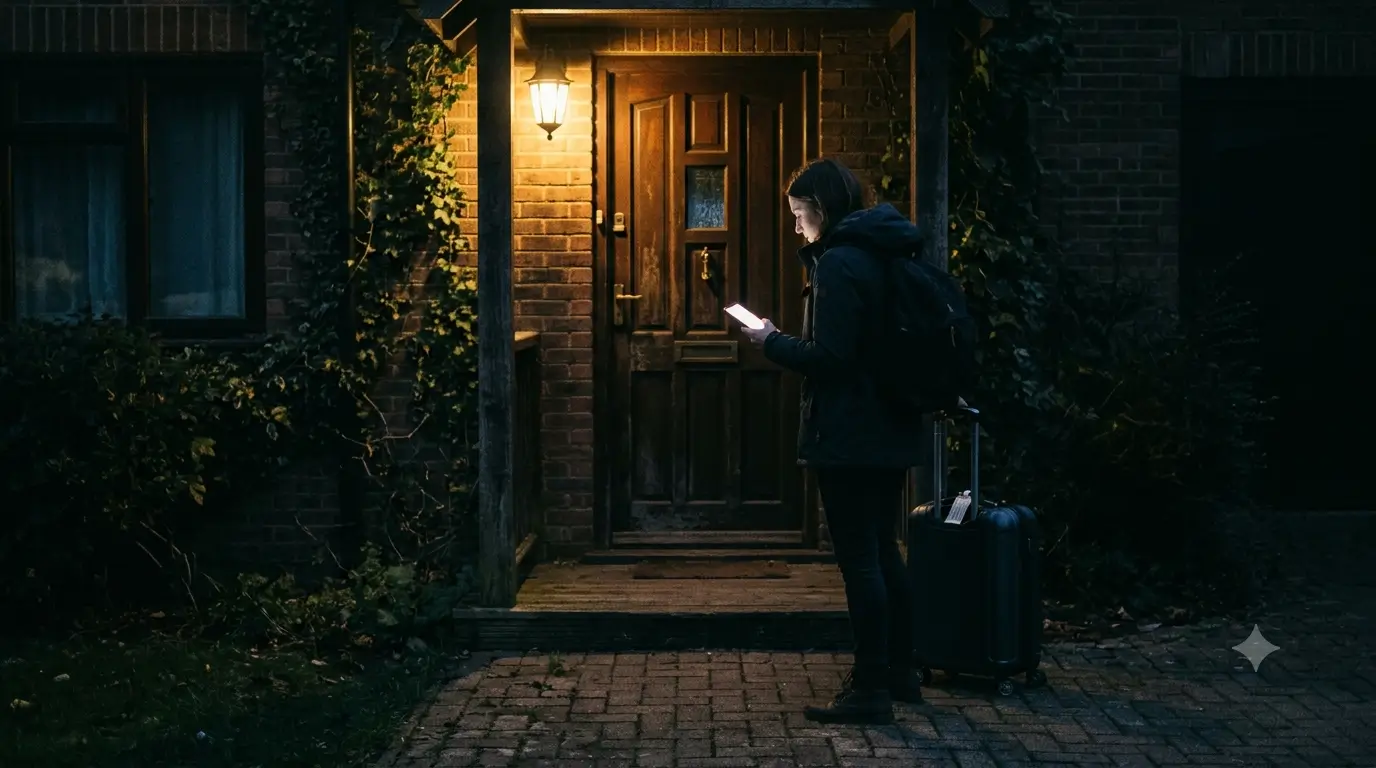
Guests Not Using the Airbnb App to Check In: Why Your Instructions Never Landed
Guests not using the Airbnb app to check in often never see your instructions. Here's how Airbnb delivers them, and the sequence that gets them through.
Airbnb's Q2 2026 Results: The One Number That Lands on a Host's Desk
Airbnb's Q2 2026 results raised guidance, but the number hosts should read is the 16% drop in support cost per booking. Plus why one channel is not a plan.