Things to Do Recommendations for Airbnb Guests: How to Build a List They Trust

Published
Last updated
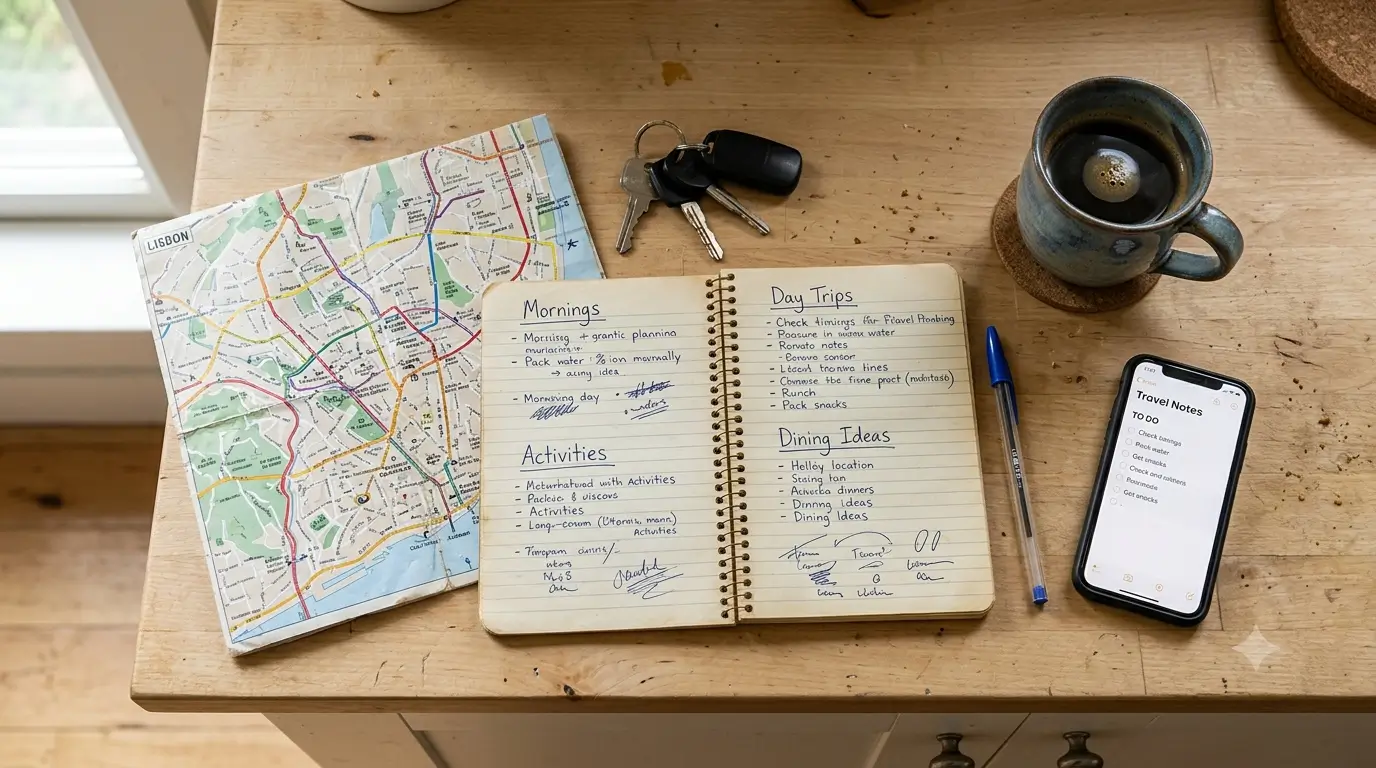
Here is how to create a short, honest “things to do” list that’s sorted by who’s traveling, includes realistic timing, cost, and booking notes, and stays current with seasonal changes. Deliver it to guests before arrival so they can plan ahead and trust your recommendations.
Ask a guest what they want out of your activity recommendations and you rarely hear "the best things to do." You hear practical questions. Is the cenote tour worth half a day with a seven-year-old? Does the cooking class need booking before they get on the plane? Will the ruins eat the whole day or just the morning?
Those are the questions a ranked list can't answer, and they're what your section should be built around: how long something really takes, who it suits, and whether guests need to reserve.
What makes a good things-to-do list for Airbnb guests?

A good things-to-do list is short, sorted by who's traveling and how much of the day they want to give up, and every entry carries three things: one line on why you picked it, honest door-to-door timing, and whether guests need to book ahead or can just turn up. Ten to fifteen options across a range of effort levels is usually enough; a list of fifty ranked by popularity asks the guest to do the curating you were supposed to do.
Keep it separate from your everyday local recommendations. Coffee, groceries and the pharmacy belong in your local guide, and mixing the two makes both harder to scan.
Include the famous stuff, then add what only you know
Some hosts leave the obvious attractions out on the grounds that guests already know about them. That backfires. If the big ruins or the famous museum are half the reason people came, skipping them reads like an oversight.
Put them in. Then add the sentence nobody who doesn't live there could write: which entrance has parking, that last admission is 45 minutes before closing, that free Tuesday is also unbearable Tuesday, that the guided tour sold at the gate is good and the one sold in the parking lot is not.
As an example, we tell guests to take the earliest Cozumel ferry from Playa del Carmen rather than the mid-morning one, because the line at the terminal roughly doubles after 9am.
Sort by who's traveling, not by category
"Attractions" and "Outdoors" are how you file things. What a guest actually has is four people, one of them tired, three hours before dinner, and rain. Sorting the list around that is the fastest improvement most guidebooks can make.
Who's in the house | What their day looks like | Two picks to have ready |
|---|---|---|
A family with young kids | Something that survives a nap schedule | Two options under two hours, with bathrooms and food on site |
A couple on a short trip | One memorable thing a day, no logistics | A sunset spot, a dinner-and-walk pairing, one bookable experience |
A group planning a big day out | The half-day or full-day trip | The one excursion you'd defend, with real timing and rough cost per person |
Anyone with a spare hour | A walk, not a project | Two routes from your front door, with distances |
Anyone caught by weather | Rain, or heat that won't let up until five | Something indoors that fills three hours, not forty minutes |
Returning guests | The thing they missed last time | Your two least obvious picks |
You won't have a great answer in every row. Two solid options per row beats a long list with no shape.
Put the booking reality on every entry
Activities differ from restaurants in one way that matters: plenty of them sell out.
Arival and Phocuswright's Travel Experiences 2026 research found that same-day purchases account for only 12% to 30% of experience bookings, and that 27% to 34% of travelers who book in advance do so specifically because they're worried spots won't be available. That report was produced in partnership with Civitatis, a company that sells experiences, so read its framing accordingly. The pattern still holds: a guest who waits until day three to think about the sunset sail often finds it full.
For a host that means two things: the list has to reach guests before they arrive, and each entry has to say whether it can wait. A format that works:
Name, then one line on why you picked it. Not a description. A reason.
Time. Door to door, honestly, including the drive and the parking.
Cost. Rough, per person.
Book. "Reserve a week ahead," "morning of is fine," or "just turn up."
The catch. The thing that would otherwise annoy them.
Written out, an entry might read like this. The numbers are illustrative; use your own.
Cooking class in the old town. Worth the half day because you eat what you cook, and it's a full meal rather than a tasting.
Time: about 4 hours, plus 15 minutes each way by taxi.
Cost: roughly 70 USD a person.
Book: at least 5 days ahead, the class caps at 8 people.
The catch: runs Tuesday to Saturday only, and there's no shade on the market walk.
The booking line is the one guests act on. It also tends to head off the arrival-night message asking whether you can still get them onto tomorrow's boat.
Write the season into the entry
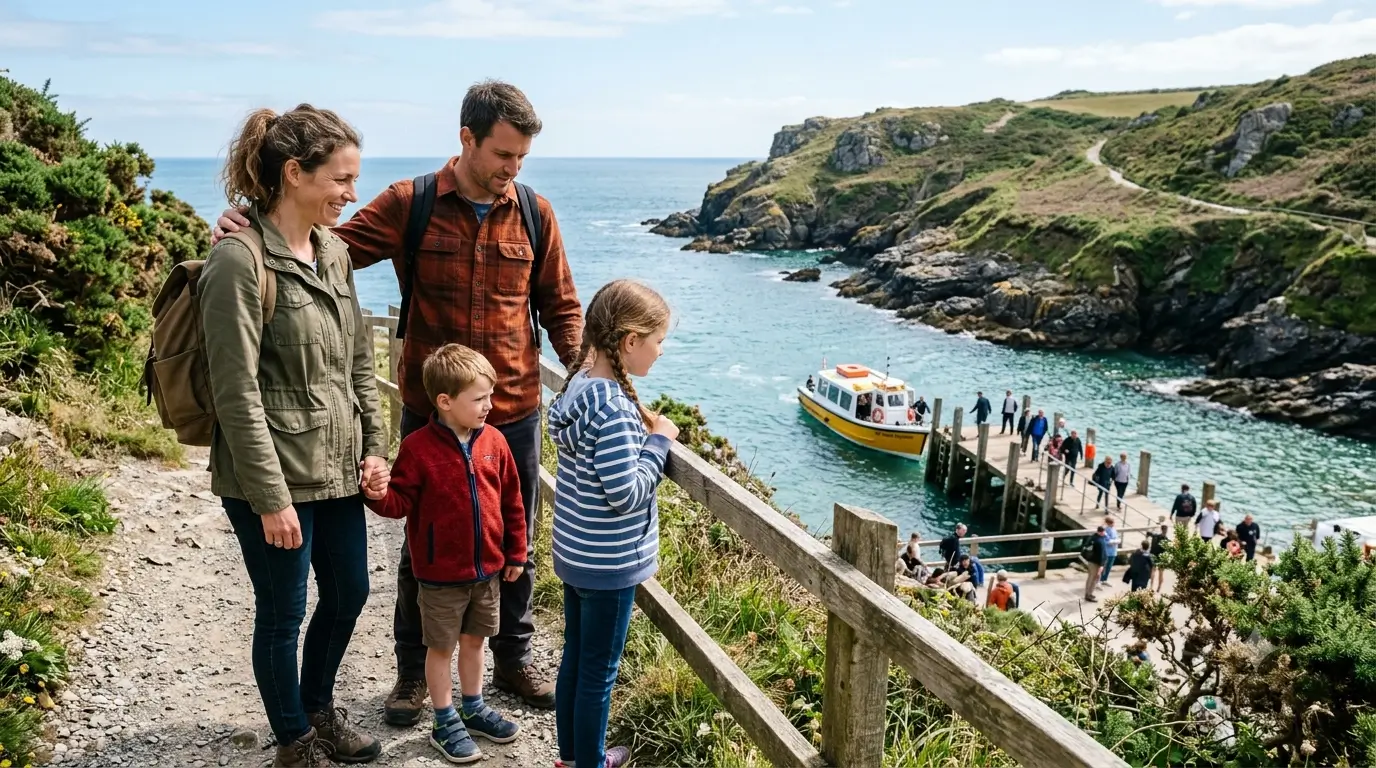
For everyday essentials, staying current means checking that a place hasn't closed. For activities, the season often is the recommendation. Whale season, turtle nesting, sargassum, cherry blossoms, the trail that turns to mud in June, the museum that goes to winter hours in November.
Write the season into the entry rather than keeping a separate seasonal list you'll forget to swap. One line does it: "Best December through March. Outside that window, skip it." A single pass a year, before your busiest season, catches most of the drift.
Our cherry blossom advice changes completely between late March and every other week of the year, and it's the entry we probably rewrite most often for our Washington, DC home.
Send it before arrival, not at check-in
The booking-window finding above has a delivery consequence most hosts miss. A list that only surfaces once the guest is standing in your kitchen has already lost every option that needed a week's notice. Send the activity section with your pre-arrival message, and keep it reachable from the same link afterwards for the rainy-afternoon lookups.
That's the shape a SmoothStay guidebook is built around. Each pick becomes a tappable card with your photo, your timing and your booking note, sitting on the same map as the rest of your recommendations. The AI Concierge, which answers only from what you've published in the guidebook and your reservation data, picks up the follow-ups: what's open Sunday, what works with a four-year-old, what's indoors when it rains.
Dominique and Diego run properties in Washington, DC and the Riviera Maya, and the activity section is the one they polish most often.
FAQ
How many things to do should I recommend to Airbnb guests?
Ten to fifteen works for most properties, spread across effort levels rather than ranked by popularity. Enough to cover a rainy afternoon, a big day out and an hour before dinner, few enough that you'd defend every entry to a friend.
Should I recommend paid tours, or stick to free things?
Both, clearly labeled. A rough per-person number next to each paid option saves guests the research. Free options matter more than hosts assume, especially on longer stays and with families.
What's the difference between a local guide and a things-to-do list?
Cost and commitment. A local guide answers a question the guest has right now and usually costs them a short walk. A things-to-do list asks for hours and money, and often for a decision before they arrive. That's why activity entries need timing, a rough price and a booking note, and the coffee place doesn't.
How do I avoid just copying a review site?
Cut anything you haven't done or wouldn't send a friend to. What makes an entry yours is the practical detail: timing, parking, what to book, what to skip, which version of the tour is worth it.
Should I book activities for my guests?
Most hosts shouldn't. Booking on someone's behalf makes you the point of contact when weather cancels the trip or the operator moves the time. Link guests to the operator's own booking page and tell them how far ahead to reserve.
How often should I update the list?
Once a year before your high season covers most properties, plus a quick fix whenever a guest tells you something closed or changed. Anything you've labeled seasonal is worth a second look at the start of each season.
Give your guests a shortlist worth following
None of this needs software. A short, honest list with real timing and a booking note beats a long one wherever you keep it. If you'd rather not maintain the formatting, though, SmoothStay will hold your picks as cards on a map guests can filter, behind one link that stays current no matter which channel the booking came from.
Start free with one guidebook, or read the full guide to building an Airbnb guidebook first.
Latest articles
Glamping Amenities: What Guests Expect, and What to Say About Each One
Which glamping amenities guests actually expect, and what to say about each one so nobody discovers the shared bathroom on arrival. Plus two lists to publish.
Hotel Guest Data Privacy: The Process We Made for Our Own Properties
Hotel guest data privacy from the operator's side: the list we made for our own properties, what travelers say about consent, and a statement you can copy.
How to Word Airbnb Fees and Fines for Guests
How to word Airbnb fees and fines for guests so they inform instead of accuse: what Airbnb counts as a fee, where each number goes, and 7 examples to copy.
What Many Guests Do First When They Arrive
What guests do first when they arrive: the sequence we keep seeing, what goes wrong at each step, and why a QR code at the object beats another page.