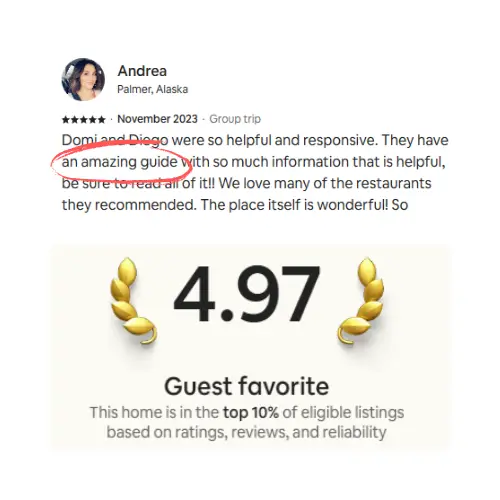


Hosting large vacation rentals is profitable, but the real challenge is the surge in guest questions that comes with bigger groups. By providing a digital guidebook and an AI concierge that every guest can access on their own device, hosts can streamline communication and keep the experience smooth for everyone.
A house full of people is a good problem to have. Ten guests instead of two is a bigger booking, and the market is rewarding bigger right now. The catch tends to show up around 9 p.m. on arrival day, when the same question lands in your phone four times from four different people in the same group.
We host larger units ourselves: a four-bedroom row house in Washington, DC and a 4.5-bedroom house in Playa del Carmen. A full house books well, and it also asks a lot of questions. Hosting groups well isn't about working harder on arrival day. It's about setting things up so the group can answer itself.
How do you host a large group in a vacation rental?
Put every answer a guest might need in one place they can open from their own phone, then let each person find it without going through you. Large groups don't ask harder questions than couples do. They ask more of the same ones, from more people, often at the same time. The host who handles groups smoothly is the one whose information answers on repeat, so ten guests get ten answers without ten texts.
Everything below builds on that one idea.
Why larger rentals keep winning right now
AirDNA's 2026 Midyear Outlook, published July 8, 2026 by director of economics Bram Gallagher, describes a US market tilting toward bigger homes. Travelers are booking closer to arrival, taking shorter trips, and increasingly choosing larger properties that fit a group. The logic AirDNA points to is simple: families and friends travel together to split the cost and get more space and a real kitchen instead of a row of hotel rooms.
The backdrop helps established hosts. AirDNA forecasts US occupancy around 57.4% for 2026, a touch above the pre-pandemic norm, with revenue per available rental up about 2.9%, almost all of it from higher nightly rates rather than more bookings. New supply is growing slowly because mortgage rates above 6% have kept new investors on the sidelines. AirDNA's own phrase for the year is "a better year to own than to buy."
Two caveats before you bank on any of it. This is US data, so if you host in Mexico, Europe, or anywhere else, read it as a signal about how groups travel, not a forecast for your market. And AirDNA sells analytics to hosts and investors, so a report telling existing operators they're sitting pretty is worth reading with that in mind. The direction still matches what we see in our own calendars. The big house fills.
The part nobody warns you about: question volume scales with headcount
Here's what catches new group hosts off guard. A couple might text you twice a stay if you don’t have systems in place. A group of ten doesn't text you twice. It texts you twenty times, because every person has their own questions and none of them saw the one message you sent the lead booker.
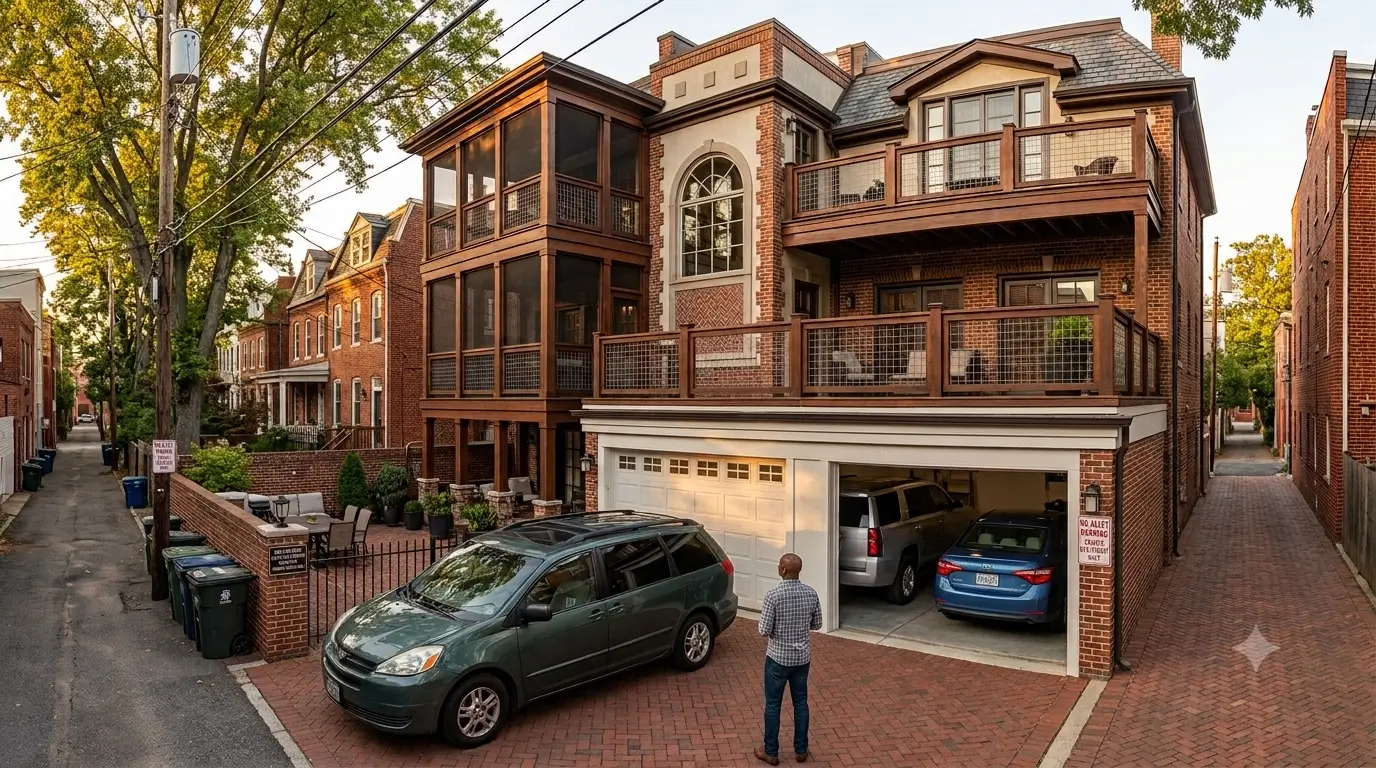
More people means more of everything. More cars looking for parking. More hands on the thermostat, the hot tub, the coffee maker, the pool gate. If the only path to an answer is you, a big group turns your evening into a help desk. In the early days, a group of eight once texted us for the wifi password two separate times in one evening, because only the booker had the arrival message. We dug into this pattern in our guide to reducing guest questions without ignoring anyone, and with groups the effect is simply multiplied.
A single printed binder on the kitchen counter doesn't fix it either. One binder means one reader at a time. Ten people with questions and one binder is a queue, and the person at the back of it texts you instead.
Group friction points and how to solve them before they happen

Most group questions are predictable. You can answer them once, in advance, and let the setup do the work.
Group friction point | How to solve it before they ask |
|---|---|
One set of check-in steps, ten arrivals | Share access details as a link or QR code every guest can open, not a single email only the booker sees |
"Which bedroom is ours?" | A room-by-room section or a floor map with photos, so the group can divide beds before arriving |
Two or three cars hunting for parking | Spell out exactly where each car goes, with a photo or a map pin |
Everyone needs the wifi at once | Put the network and password in the guidebook and on a card by the router |
Appliances they'll fiddle with | A short how-it-works note or a 30-second clip for the hot tub, AC, and anything non-obvious |
Questions at all hours from different people | An AI concierge that answers from your guidebook, so repeat questions don't all land on you |
None of this requires software you don't already have. A well-built digital guidebook your guests actually use covers most of that table on its own.
How to set up for a group before they arrive
A repeatable setup beats scrambling on the day. This is the order we run it in:
Build one guidebook the whole group can open, and send the link to everyone, not just the booker.
Load it with the questions groups actually ask: check-in, wifi, parking, checkout, trash day, heating and cooling, and the hot tub or pool rules. Our list of the questions guests ask most is a good starting checklist.
Add photos of each bedroom or a floor map so the group can sort out who sleeps where on the drive in.
If the group isn't all fluent in your language, turn on automatic translation so everyone reads it in theirs.
Switch on an AI concierge that answers from your guidebook, so the 11 p.m. "how does the thermostat work" gets handled without waking you.
Put a QR code somewhere obvious in the house for anyone who lost the link.
Do this once and it carries every future group booking with almost no extra work.
The systems win, not the hustle
Groups reward hosts who plan. The booking is bigger, the reviews are often warmer because everyone had a good time, and the repeat potential is real when a family finds a place that fits all of them. The one thing standing between you and that is the question pile-up, and that's a solvable setup problem, not a test of how fast you can answer texts.
Get the information in front of every guest, in their language, on the device already in their hand. Then the size of the group stops being a burden and goes back to being what it was in the first place: a good problem to have.
FAQ
How do I host a large group on Airbnb?
Set your listing up so the whole group can serve itself. Share check-in as a link or QR code every guest can open, put parking, wifi, and appliance instructions somewhere everyone can reach, and use a room-by-room layout with photos so the group divides bedrooms on its own. The goal is fewer messages funneling to you, not faster replies.
What size vacation rental is best for large groups?
Per AirDNA's 2026 Midyear Outlook, US demand is shifting toward larger homes that can host a group under one roof, because traveling together beats booking several hotel rooms on both cost and space. If you already own a four-bedroom-plus property, that's where the market is leaning. Just plan for the extra coordination a full house creates.
How do you manage guest questions with a big group?
Answer the common ones before anyone asks. A digital guidebook every guest opens on their own phone handles the repeat questions, and an AI concierge covers the after-hours ones. That keeps ten people from sending you the same five questions across an evening.
Do larger groups really mean more work?
Not if your information scales. The work grows when the only source of answers is you, because question volume rises with headcount. When each guest can find the answer themselves, a group of ten is barely more hands-on than a couple.
Should I still keep a printed guide for groups?
A printed card for the wifi or a house-rules sheet is a fine backup, but a single binder can't keep up with a group. One person reads it at a time while everyone else texts you. Lead with something every guest can open at once, and treat print as the fallback.
Ready to make your next group booking easier?
If you'd rather not build all of this from scratch, SmoothStay lets you stand up a digital guidebook, with an AI concierge and automatic translation, that every guest in the group can open in under an hour. You can see how it works whenever you're ready.
Latest articles

The Airbnb Extra Guest Policy: How Strict Do You Actually Need to Be?
An Airbnb extra guest policy that fits the booking, not a blanket rule: why we charge no extra guest fee, how guest reviews change it, and wording to copy.
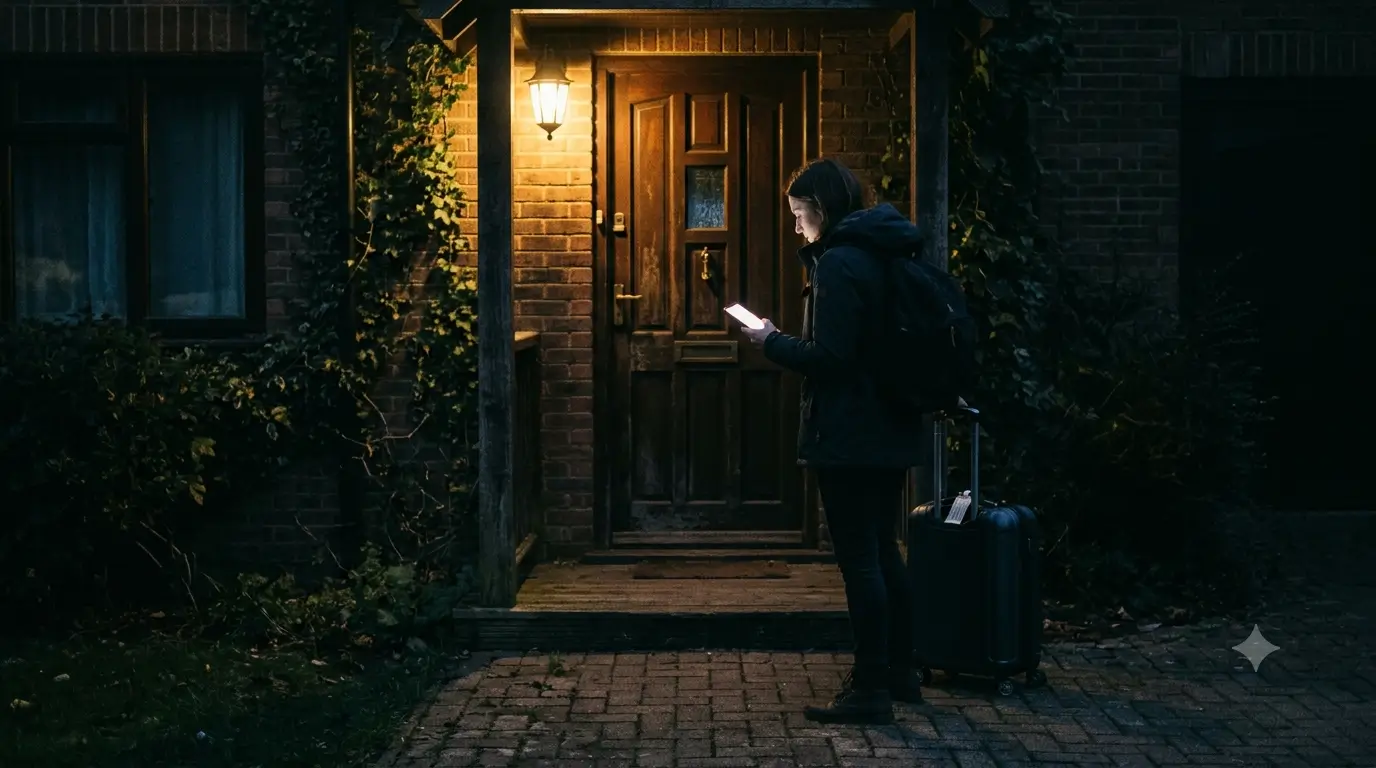
Guests Not Using the Airbnb App to Check In: Why Your Instructions Never Landed
Guests not using the Airbnb app to check in often never see your instructions. Here's how Airbnb delivers them, and the sequence that gets them through.

Airbnb's Q2 2026 Results: The One Number That Lands on a Host's Desk
Airbnb's Q2 2026 results raised guidance, but the number hosts should read is the 16% drop in support cost per booking. Plus why one channel is not a plan.
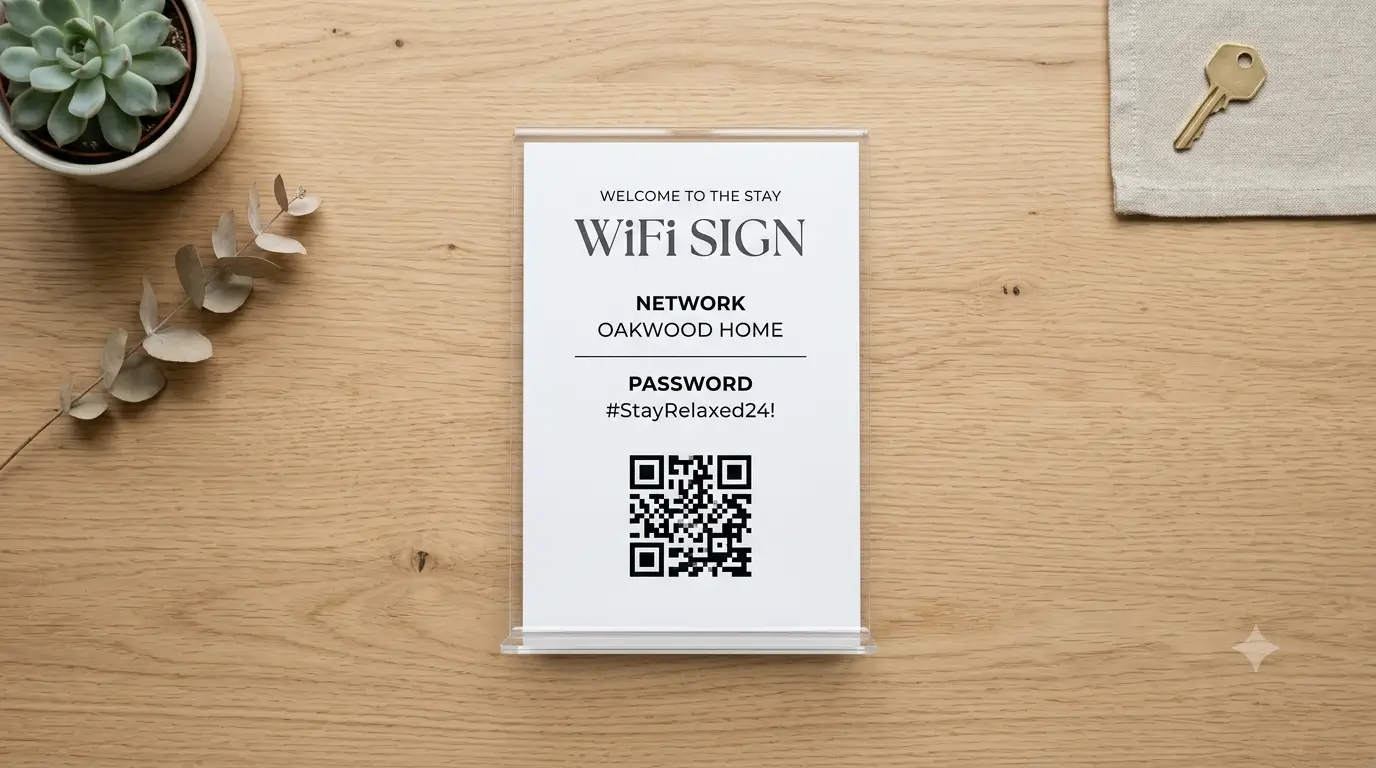
The WiFi Sign for Your Airbnb: What to Put on It (With a Copy-Paste Template)
Build a WiFi sign for your Airbnb guests actually use: exactly what to include, where to place it, an auto-connect QR trick, and a free copy-paste template.