
We ran a $250 smoking fine on our own DC listing in the early years, then took it down. Wording like that usually gets copied off a template, and it lands as a warning aimed at guests who were never going to break the rule. It also assumes a charge the platform does not simply hand you. Put the rule first, give one clause of reason, and leave any figure until last. Seven before-and-after examples you can adapt.
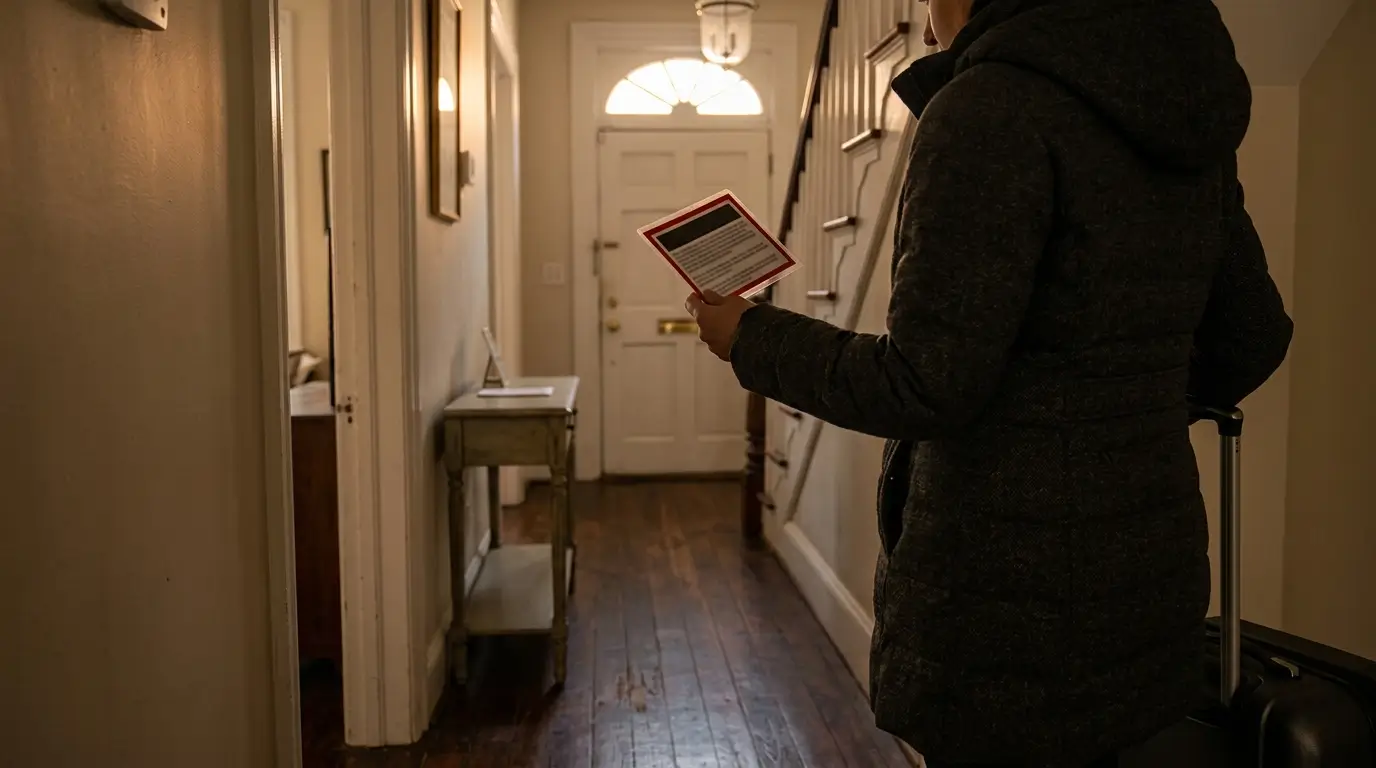
Somewhere in some listings there is a sentence with a number in it. $500 if you smoke. $150 per unregistered guest. It was probably copied from a template years ago and never revisited. The person who reads it most carefully is a guest standing in the hallway with their bags, working out what kind of place they have booked.
In our very early days, we ran one of those. We had a $250 fine for smoking on our Washington, DC listing, and we removed it, not because of how Airbnb regulates this sort of thing but because of how threatening it sounded to potential guests. You want to be assertive and at the same time avoid unnecessary friction. We have learned over the years that guests with good reviews will, for the most part, be decent and follow your rules.
This post is about the sentences hosts write with money attached, and what they should say instead. Which rules to have at all is a separate question, covered in our house rules examples post.
How should you word an Airbnb fee or fine for guests?
Put the rule first, attach the reason in one short clause, and leave any figure until last. If it is money you intend to collect from every guest who triggers it, it belongs in Airbnb's fee fields and not in a sentence, because Airbnb's guidance is that mandatory fees get disclosed in the fee field or in the nightly price, with limited exceptions. A penalty you declare in your rules text is a different thing, and it lands better with no dollar figure on it.
Airbnb updates its policies periodically, so review the latest host guidance before you change anything on your listing.
Why the inherited wording lands badly
The pattern is easy to spot. Capital letters, an exclamation mark, the number at the front where the eye goes first, and no reason anywhere in the line, because the figure has been asked to do the job a reason should do.
Now read it as a guest. Someone who was never going to smoke indoors still reads the smoking line, and it tells them nothing about the rule, which they had already assumed. It tells them what you expect of the people who stay here.
Almost nobody chose that wording. It came off a template, or out of one bad stay nobody went back to.
Airbnb fines vs fees: what's the difference?
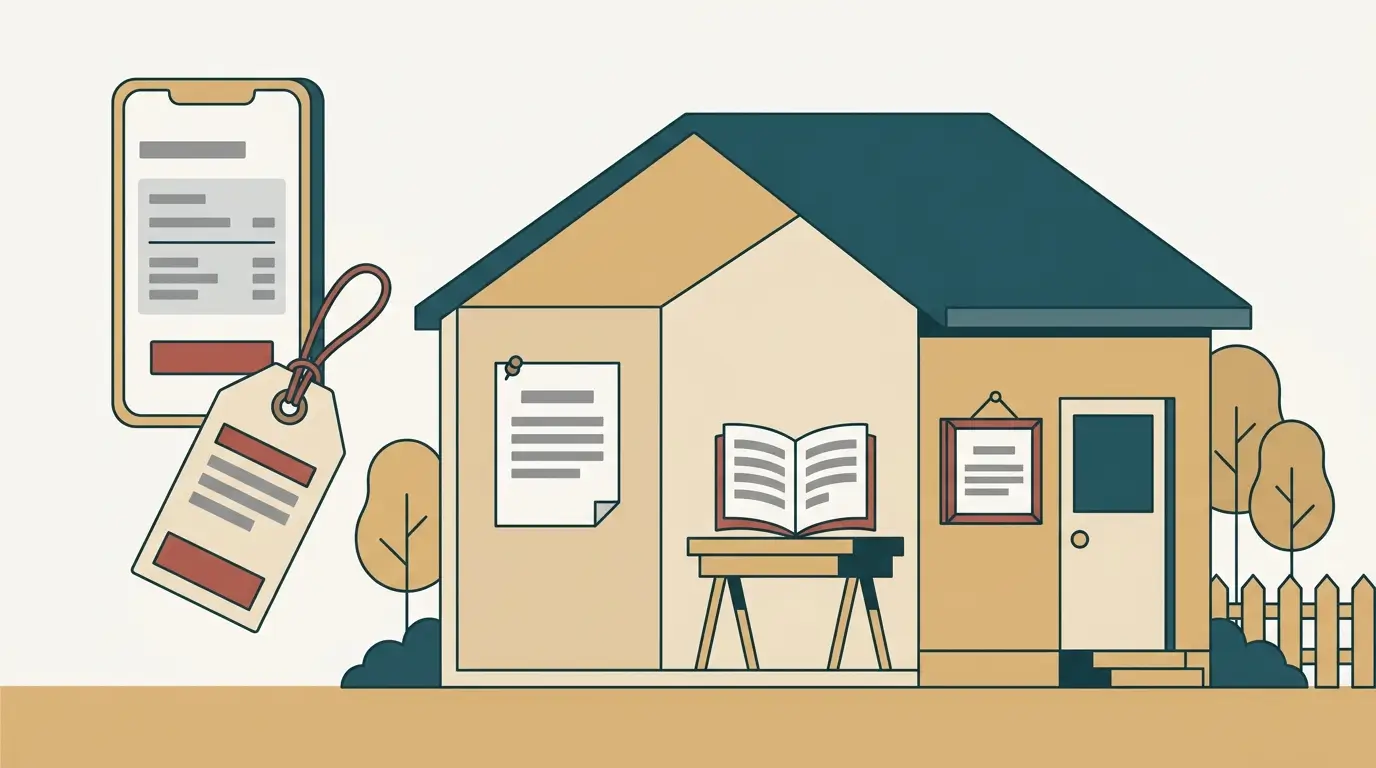
Many host-imposed "fines" function neither as Airbnb pricing fees nor as automatically collectible charges. The two behave differently on the platform, so it is worth sorting out before you write.
A fee is a priced item you configure. Airbnb's page on additional fees covers the options, including a pet fee and an extra guest fee, described as a fee for "additional guests beyond a default number you choose". You set those in pricing and the guest sees them in the total.
A fine you declare in your rules text is not one of those fields, and writing it down does not by itself make it collectible. Airbnb's Resolution Center page says all mandatory fees "must be disclosed in the appropriate fee field or in the nightly price if there's no applicable fee field", adds that "including these fees in the listing description at the time of booking is insufficient", and notes that limited exceptions exist. Its guide to requesting money says that "with few exceptions, hosts can't charge guests for mandatory fees through the Resolution Center".
What the platform does describe, after the fact, is a reimbursement request for a real cost. On the guest-facing page about getting charged for damage, the host sends a reimbursement request, the guest has 24 hours to respond, and if it escalates a support agent decides "if you're responsible for the damage and if the amount your host is requesting is reasonable". The requesting-money guide sets the clock: up to 60 days after a completed reservation, and 14 days from checkout for damage claims, at the time of writing.
One more line, from the ground rules for guests: "Hosts may not charge guest fees for failing to perform specific cleaning or checkout tasks, but they may leave ratings and reviews based on cleanliness."
None of that settles what you may charge, and we are hosts, not lawyers. It does mean "$500 FINE FOR SMOKING" points at a process that works differently from the way the sentence sounds. Platform wording also moves without notice, so read those pages against your own listing before you rewrite anything.
The rewrite pattern
The rule, in plain words. No capitals, no exclamation mark.
One clause of reason, on any line asking a guest to change what they would otherwise do. Lines that are pure information, the wifi password or the bin day, stay bare. That shape comes from our AC rules post, which applies it to one rule in depth.
Any figure last, and only where a real cost sits behind it. If you cannot name the cost, drop the sentence.
One home for it. A figure repeated across three surfaces starts to read as three separate accusations.
The fourth is the one we see skipped most. Put the rule in the listing and the house rules, and guests will ask you about the rest. Our extra guest policy post works through that trade-off on the rule where it comes up most.
Where the money sentence belongs
Surface | What goes here | What does not |
|---|---|---|
Airbnb fee fields | anything you charge every guest who triggers it: cleaning, pet, extra guest | a penalty aimed at behaviour |
House rules and additional rules | the rule and the reason for it | the figure, unless it is a disclosed fee |
Your guidebook | how the thing works and how to avoid the cost | a second copy of the number |
A physical sign | one behavioural ask, at the spot it applies | any figure at all |
Airbnb's house rules page says your rules show up "in your listing description, in booking terms while booking, in automated guest emails, and in the Arrival Guide guests receive ahead of their trip", so the listing reaches further than most hosts assume. Small hotels and B&Bs have the same split under other names: the rate card and the confirmation carry the charges, the in-room material carries the instruction. What we see go wrong most in hotel rooms is a laminated card with a smoking fine printed on it, which is the surface where a number does the least good.
Before and after

Each rewritten line below follows the pattern above. Fill in the brackets with your own specifics.
Smoking
Before: NO SMOKING!! $500 FINE. NO EXCEPTIONS.
After: This is a non-smoking house, indoors and out, including [the terrace], because smoke settles into the soft furnishings and the next guests notice it. Clearing it takes a specialist clean, which last cost us [amount].
Pets
Before: ABSOLUTELY NO PETS. VIOLATORS WILL BE CHARGED $300.
After: We are not set up for pets here, [because of allergies in the family who use the house between guests]. Assistance animals are a different thing, so tell us and we will sort it out.
Extra guests
Before: EACH UNREGISTERED GUEST WILL BE CHARGED $150 PER NIGHT.
After: The booking covers [number] guests, which is what the beds and [the building's rules] allow. Message us before you arrive if that changes and we will take a look.
If you do charge for extra people, set it as an extra guest fee in pricing so it shows up in the guest's total. We have never charged one; at a house with the bedrooms to absorb one more person, the friction costs us more than the fee earns.
Parties and events
Before: NO PARTIES!!! $1000 FINE AND IMMEDIATE EVICTION.
After: We don't host parties or events here, since this is a residential street and the goodwill of the people on it is what lets us keep going. If a gathering starts, we will ask you to end it, and we may have to end the stay.
Late checkout
Before: LATE CHECKOUT WILL RESULT IN A $50 PER HOUR CHARGE.
After: Please be out by [11am], because the cleaners have [four hours] to turn the house around before the next guests. Need an extra hour? Ask the day before and we will check the calendar.
None of that means you cannot charge for a late checkout you have agreed to. If you do, disclose it up front and make sure guests understand when it applies, so it reads as an option they bought rather than a penalty they triggered.
Lost keys
Before: LOST KEY = $100 REPLACEMENT FEE.
After: The [two] sets of keys live [in the bowl by the door]. If one goes missing, tell us as soon as you notice, since [the building] charges [amount] to cut a replacement and it is easier to handle while you are still here.
Excessive cleaning
Before: THE PROPERTY MUST BE LEFT AS FOUND OR ADDITIONAL CLEANING FEES WILL APPLY.
After: The cleaning fee covers a normal turnaround, so all we ask on your way out is [the trash bagged and the dishwasher running]. If something spills or breaks, send us a message while you are here and we will deal with it.
Airbnb's ground rules say hosts may not charge guest fees for failing to perform specific cleaning or checkout tasks, though they add that hosts may still leave ratings and reviews based on cleanliness. Treat that last one as an ask.
What writing a number down actually does
Putting a figure in your house rules is not the same as being owed it. What happens next runs through the platform's own process and through whether you can show a real cost. Local laws may also affect whether a claimed amount is recoverable and how such clauses are interpreted. If a specific amount matters to your business, that is a conversation with a lawyer in your jurisdiction.
For our properties, the line that has done the work is the one before arrival that explains why. We have not put a figure back into a rule since we took that DC one down.
FAQ
Can I fine an Airbnb guest for breaking a house rule?
Airbnb's pages point at two routes rather than a fine you set yourself: fees you configure in pricing and disclose up front, and reimbursement requests for documented costs through the Resolution Center, which its own guide says is generally not for charging mandatory fees. What a particular amount does in practice depends on that process and on the law where you operate.
Where should the smoking fee go on my Airbnb listing?
There is no smoking fee field; the additional-fee options cover things like cleaning, pets and extra guests. If smoking results in documented cleaning costs, odour remediation or damage, hosts may request reimbursement through Airbnb's resolution process. Put the rule and the reason in your house rules, keep the number out of the room, and hold on to the invoice if it ever happens.
Does a fee have to be in the listing to count?
Not in the description alone, no. Airbnb's guidance points hosts toward the relevant fee field, where one exists, or the nightly price where there is no applicable field, and says that including the fee in the listing description at the time of booking is insufficient, with limited exceptions.
Should I put a fine on a sign in the room?
We would not. A sign is read by everyone who passes it and applies to almost none of them, and it is often the first thing a guest reads. Use the sign for one behavioural ask at the point it matters, like no glass by the pool, and leave the money off it.
What about a security deposit?
Airbnb currently limits security-deposit functionality and may restrict it to certain host setups. Check Airbnb's latest guidance before relying on language copied from an older template, since a deposit line that has sat in your rules for years may not describe anything the platform still does.
If you would rather not maintain four copies of this
Writing the policy is the quick part. The slow part is that it ends up in a listing field, a printed card, a message template and a binder, and a year later they say different things. Keep the explanation in one place a guest can open, point a QR code or a deep link at the specific article when it matters, and you edit it once.
That also keeps your wording independent of any one channel, which matters the day a booking arrives from somewhere else. Doing that inside Airbnb's rules is its own subject, and we wrote it up in how to get direct bookings without risking your Airbnb account.
SmoothStay handles the one-place part: a digital guidebook you can set up in minutes, with a free tier for a single property.
Latest articles
Glamping Amenities: What Guests Expect, and What to Say About Each One
Which glamping amenities guests actually expect, and what to say about each one so nobody discovers the shared bathroom on arrival. Plus two lists to publish.
Hotel Guest Data Privacy: The Process We Made for Our Own Properties
Hotel guest data privacy from the operator's side: the list we made for our own properties, what travelers say about consent, and a statement you can copy.
What Many Guests Do First When They Arrive
What guests do first when they arrive: the sequence we keep seeing, what goes wrong at each step, and why a QR code at the object beats another page.

Airbnb Hotels and Hosts: What the First Numbers Show, and What They Don't
Airbnb says a third of first-time hotel guests come back to book a home. What that data shows for hosts, what it doesn't, and why it is too early to act on it.