Bed and Breakfast Breakfast Ideas That Guests Remember (Without a Restaurant Kitchen)

Published
Last updated
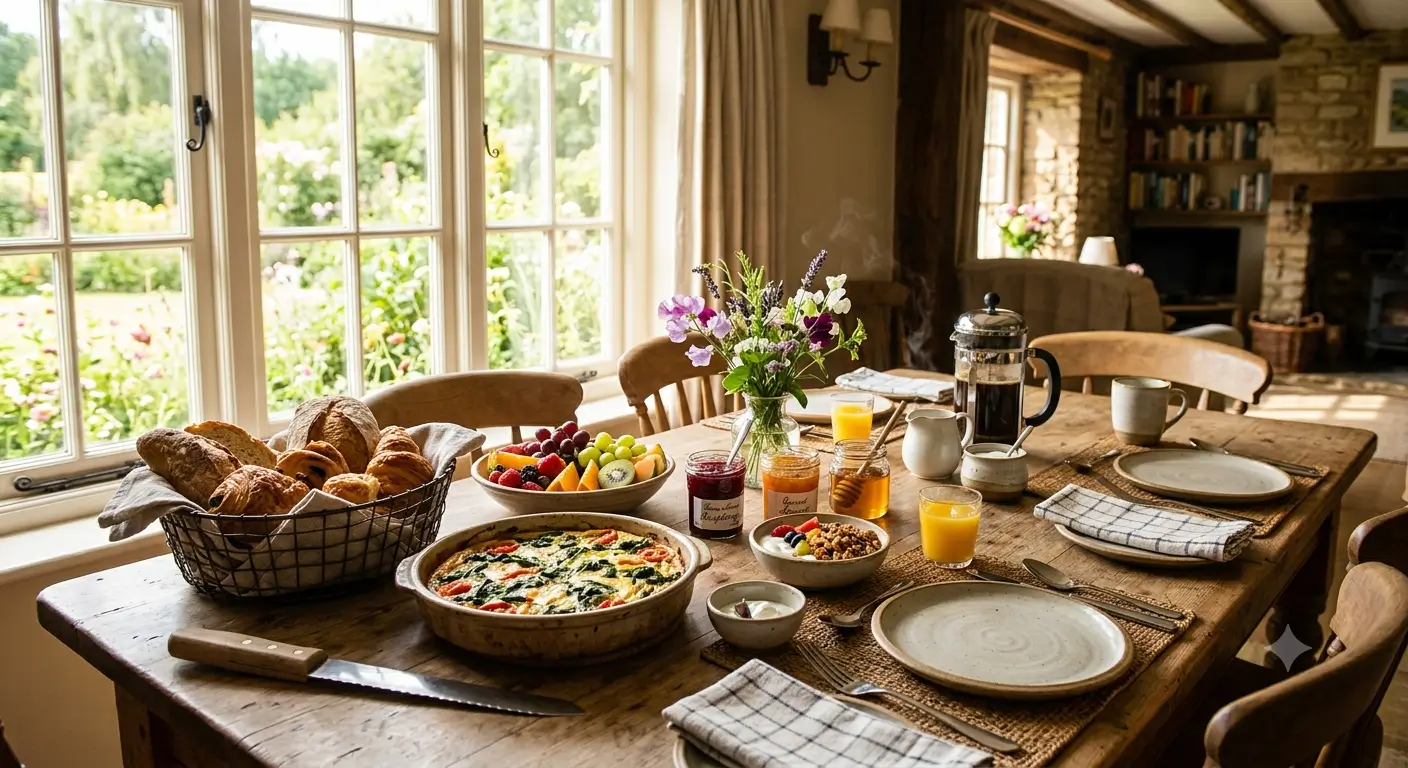
A B&B can deliver a memorable breakfast without a commercial kitchen by using a reliable continental‑plus baseline and rotating a single hot main each day, planning make‑ahead dishes, and handling dietary needs at booking. This approach streamlines operations, reduces waste, and creates a signature morning experience that keeps guests coming back.
For most B&Bs, breakfast is the whole reason someone booked you over the chain hotel down the road. It's also the one job that shows up every single morning, whether you slept well or not, whether you have two rooms full or six. Get it right and it's the thing guests describe when they tell a friend about your place. Get it wrong and no amount of nice linens makes up for a sad plate at 8am.
The good news: you don't need a line cook or a restaurant kitchen to serve a breakfast people rave about. You need a small set of dishes you can actually repeat, a rotation so nobody eats the same thing twice, and enough planning that the morning mostly runs itself.
What breakfast should a bed and breakfast serve?
A strong B&B breakfast pairs one warm main that changes through the week with a reliable cold spread guests can start on the moment they sit down. Build a continental-plus baseline you can serve on your worst morning (good bread, fruit, yogurt, eggs, coffee), then rotate one hot dish on top of it so repeat-night guests always get something new. Keep it seasonal, keep portions honest, and ask about dietary needs when guests book, not when they are looking at the table.
That is the shape. Everything below is how to fill it in.
Start with a baseline you can serve on autopilot
Your baseline is the part that never changes. It is what lets you have a rough morning and still put out something generous. When the hot main is running late, guests are already eating, so nobody is watching the clock.
A solid continental-plus baseline usually includes:
Fresh bread or pastries, plus a toaster and good butter and jam
Two or three fruits, whole and cut, whatever is in season
Plain and one flavored yogurt, plus granola or muesli
Hard-boiled eggs or one simple egg dish
Real coffee, a couple of teas, and one juice
Milk and a non-dairy milk (oat travels well and most people accept it)
Stock this from things that keep, and your grocery run stops being a daily scramble.
Build a rotating hot main so repeat guests never see the same plate twice
The hot dish is where your place gets its personality, and it is the easiest spot to bore someone who stays three or four nights. The fix is a written rotation. Pick five to seven mains, write them on a card by the stove, and move down the list each day. You stop deciding at 6am, and your shopping list writes itself.
Here is a simple week you can steal and adjust:
Day | Hot main | Make-ahead? |
|---|---|---|
Monday | Baked frittata with seasonal veg | Yes, night before |
Tuesday | Buttermilk pancakes with fruit compote | Compote ahead |
Wednesday | Shakshuka with warm bread | Sauce ahead |
Thursday | Overnight oats bar, hot and cold toppings | Fully ahead |
Friday | Savory breakfast strata | Assembled night before |
Saturday | French toast bake | Assembled night before |
Sunday | Eggs your way with a hot side | To order |
Notice how many of these are assembled the night before and just go in the oven. That is not an accident.
Make-ahead is the whole game
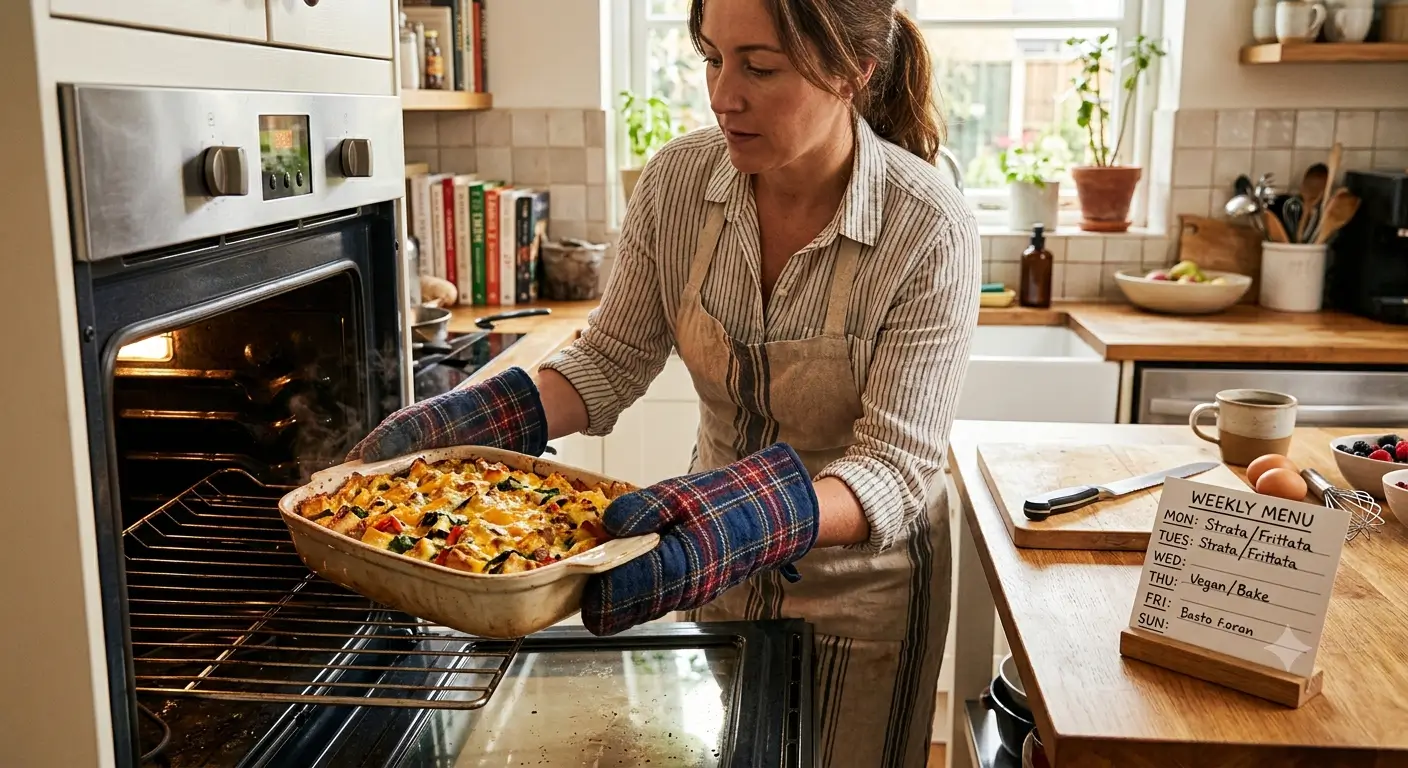
The difference between a calm breakfast and a frantic one is how much you did last night. Anything you can bake, soak, or prep the evening before is a dish you are reheating instead of cooking while three tables wait.
The workhorses for this:
Baked egg dishes (frittata, strata, quiche) assemble the night before and bake while you make coffee. They also portion cleanly, which helps your math.
Soaked oats and chia are ready with zero morning effort and cover the lighter-appetite and often the vegan guest at the same time.
Compotes, granolas, and quick breads keep for days, so one batch covers several mornings.
Build the rotation so no more than one or two mornings a week are true cook-to-order. Save the to-order eggs for a Sunday when you have the bandwidth.
Menu idea sets to pull from
When the rotation gets stale, restock it from these. Mix across the groups so a repeat guest gets variety in style, not just a different name for the same eggs.
Make-ahead bakes: frittata, crustless quiche, savory strata, French toast bake, baked oatmeal, banana or zucchini bread.
Rotating hot mains: pancakes or waffles with a changing fruit, shakshuka, breakfast tacos, eggs Benedict on a slow day, a simple hash.
Continental-plus staples: yogurt parfaits, a cheese and charcuterie corner, smoked salmon on a weekend, seasonal fruit salad.
Seasonal and local moves: local honey and jam, a regional pastry, summer stone fruit, autumn apple and squash, whatever the farm stand down the road is selling. These are the touches guests cannot get at a hotel, so lean on them.
Dietary needs: ask at booking, not at the table
The single cleanest habit here is to collect dietary needs when the reservation is made. Discovering a gluten allergy at 8am, with a wheat strata already in the oven, is how a lovely morning turns stressful. One line on your booking form or confirmation, "Any allergies or dietary needs we should know about?", saves you every time.
Cover the common ground and you will rarely get caught out:
Keep one genuinely vegan main in your rotation (the oats bar does this quietly).
Have a gluten-free bread and a naturally gluten-free hot option ready, like a crustless frittata.
Know your big allergens (nuts, dairy, egg, wheat) and be able to point to one safe plate for each.
Label what is out. A small card that says "contains nuts" prevents most problems before they start.
You are not running a restaurant with fourteen substitutions. You are making sure every guest at the table has one good thing they can eat.
The quiet math: portions and waste
Breakfast is a recurring cost, so small leaks add up fast. Baked dishes help here too, because a frittata cut into eight is eight known portions, not a guess at the stove. Track roughly what gets eaten for a week and you will spot the item that always comes back half-full. Cut it, or move it to the baseline where leftovers get used the next day. Buying to a written rotation instead of a vague sense of "breakfast stuff" is usually where the real savings live.
Where a digital guidebook does the quiet work
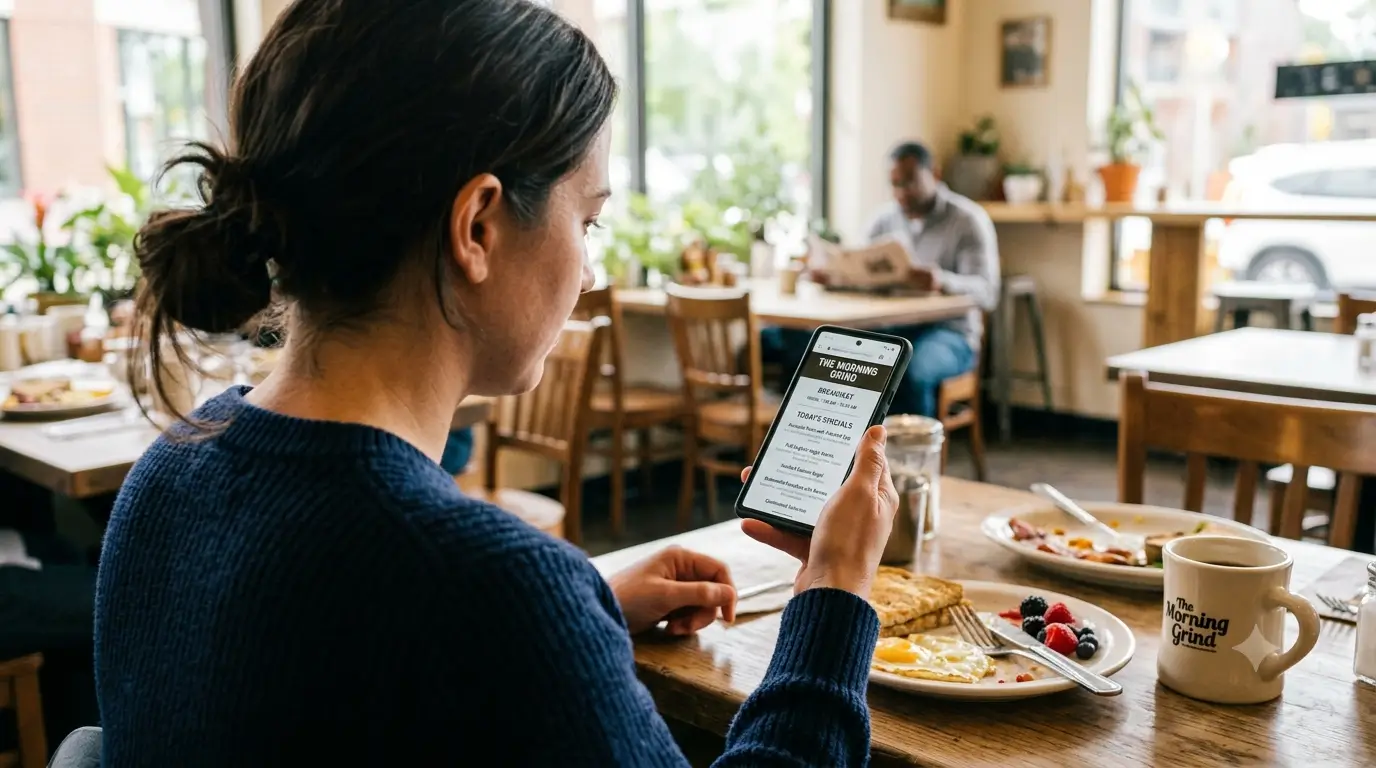
Most breakfast friction is not the food. It is the questions around it: what time is breakfast, where do we sit, is there anything I can eat, can we go earlier because of a tour. Answered one at a time by text, that is your whole morning gone.
This is the part we build for at SmoothStay. Put breakfast hours, seating, and this week's menu in your digital guidebook where guests check the night before, and the "what time is breakfast" texts mostly stop. If you host international guests, the guidebook translates itself into their language, so a gluten-free note reads clearly to everyone. And the AI Concierge fields the is-there-a-vegan-option question straight from what you wrote, before it interrupts your prep. The breakfast stays yours. The repetitive part handles itself.
Breakfast also sits inside the wider stay. We cover the rest of it in our bed and breakfast guest experience guide, the check-in process, and what to put in a B&B guest book.
FAQ
What is a typical breakfast at a bed and breakfast?
Usually a cooked hot main (eggs, pancakes, a baked egg dish) served with a cold spread of bread, fruit, yogurt, and coffee. Full-board B&Bs do a hot main daily; lighter ones do a generous continental with one hot option.
How many breakfast options should a B&B offer?
One well-made hot main plus a self-serve baseline is plenty for most small properties. The variety comes from rotating the main through the week, not from cooking three dishes at once.
How do you handle dietary restrictions at a B&B?
Ask at booking, keep one vegan and one gluten-free option in your regular rotation, and label anything with common allergens. That covers the vast majority of requests without special short-order cooking.
Can you run B&B breakfast without a commercial kitchen?
Yes. Most B&B breakfasts come out of a normal home kitchen. Lean on make-ahead baked dishes and a fixed rotation so you are reheating and assembling, not cooking to order for every table.
What breakfast can I make ahead the night before?
Frittatas, stratas, French toast bakes, baked oatmeal, overnight oats, compotes, and quick breads all hold overnight. Assemble in the evening, then bake or serve in the morning.
How far ahead should I plan a B&B breakfast menu?
Plan a week at a time on a written rotation. It keeps repeat guests from seeing the same plate twice and turns your grocery list into a copy-paste job.
If you would rather not answer the same breakfast questions every morning, you can have a digital guidebook (menu, hours, and dietary notes included) running in about an hour. Your kitchen stays yours; the guidebook just takes the repetitive questions off your plate.
Latest articles

How to Automate Check-In Instructions for Short-Term Rental Guests
Automate check-in instructions for short-term rental guests: the four-send sequence, what goes in a message versus a guidebook, and a copy-ready sample.

Vrbo Premier Host in 2026: Every Listing Now Stands on Its Own Record
Vrbo Premier Host requirements changed in 2026: per-listing scoring, tighter thresholds, quarterly checks. What each one means, and how it compares to Superhost.
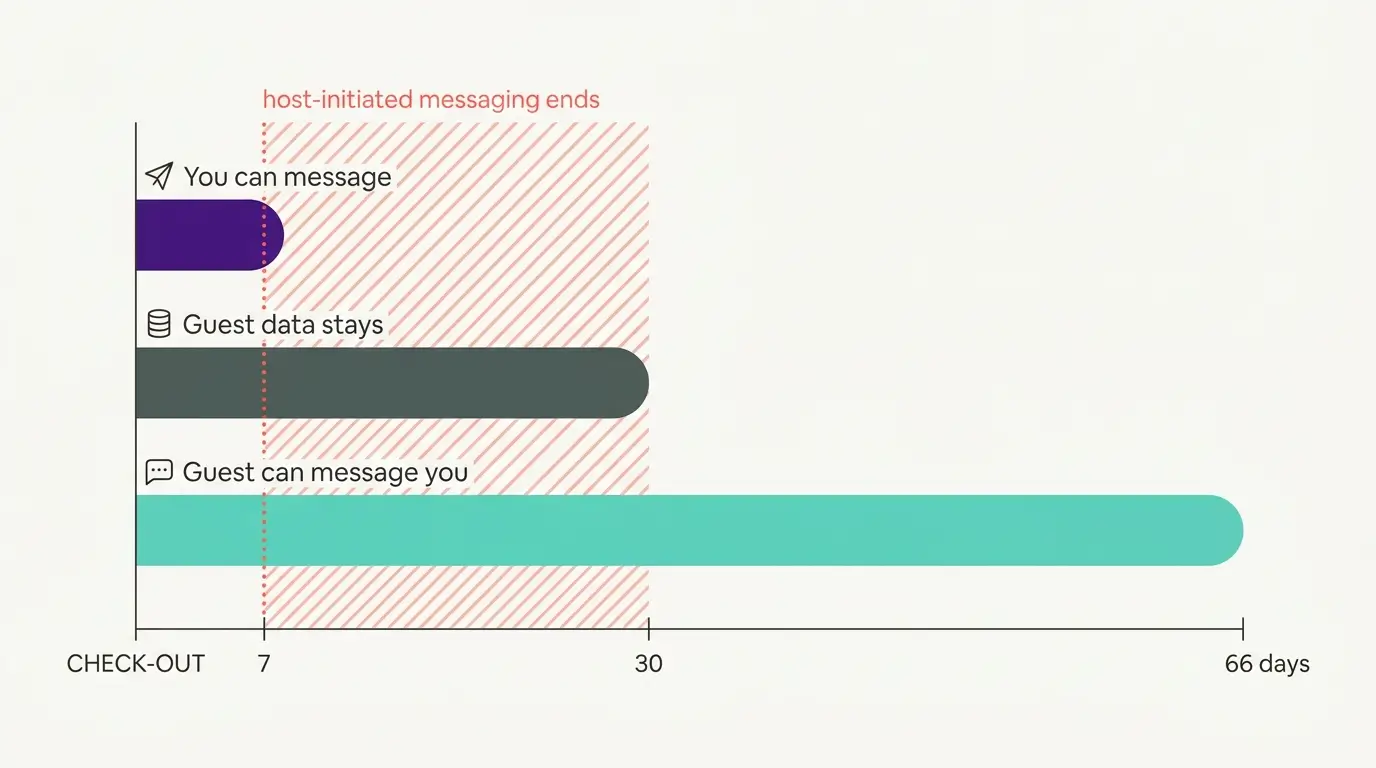
Booking.com Guest Messaging Rules: What Hosts Can Send, When, and Why Links Get Removed
Booking.com guest messaging rules, verified at source: how long you can message a guest, why your links get removed, and what the partner terms say.
Vrbo's New Features for Fall 2026: What's Live, What's Gated, and What's US-Only
We sorted Vrbo's new features for fall 2026: what is live globally, what is gated behind eligibility, and what is US-only. Verified against Vrbo's own pages.