Write content once. Render for every property.

Write content once. Render for every property.

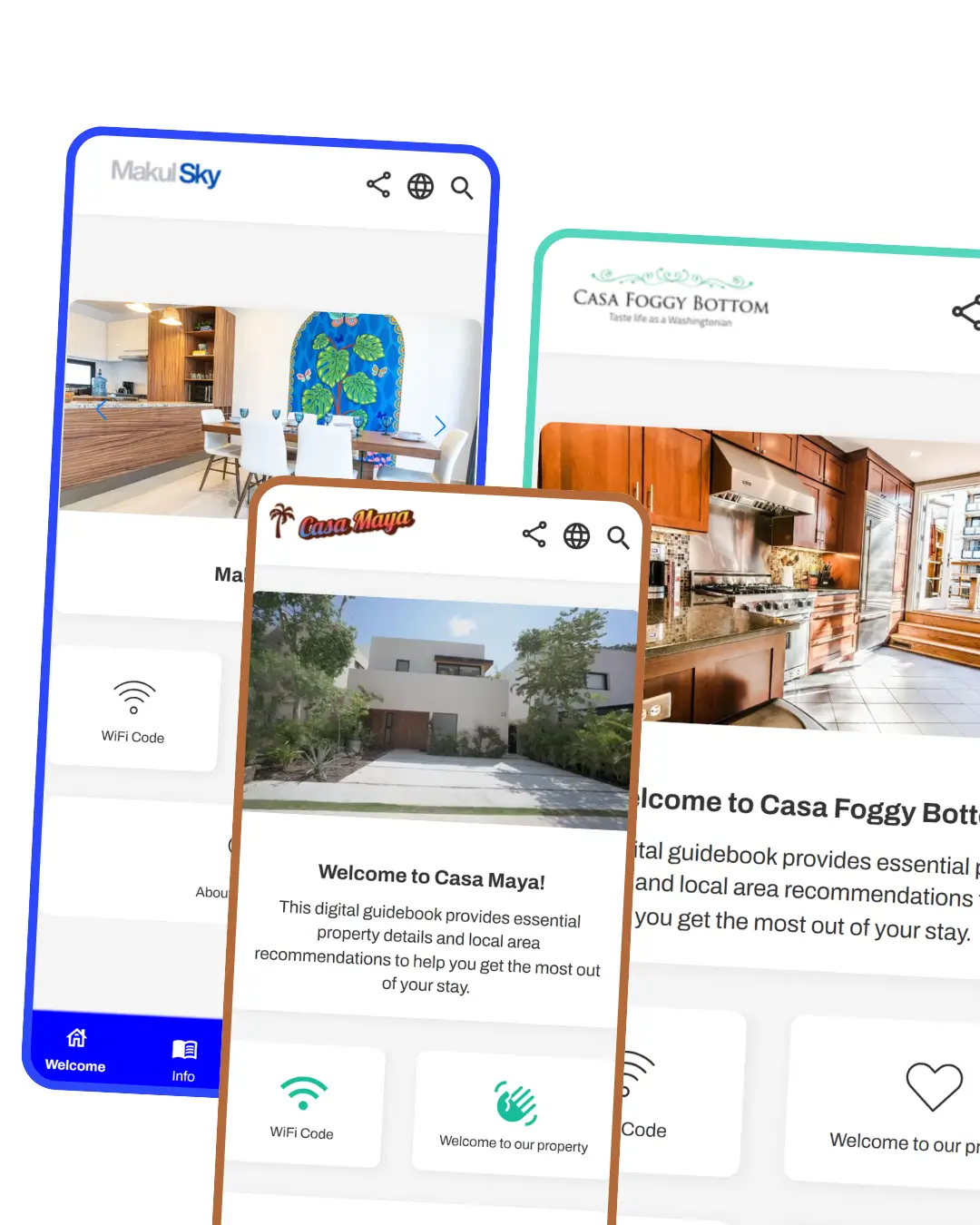
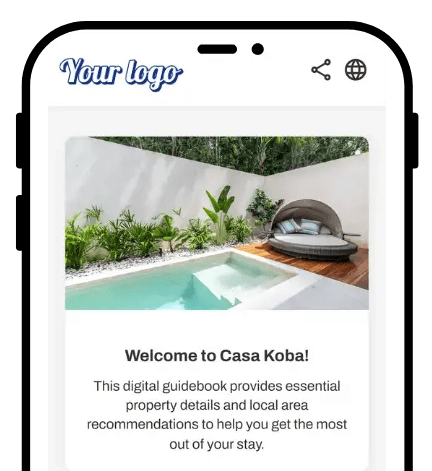
SmoothStay's Content Hub is the spine of your guidebook — a clean three-level structure for every article, dynamic placeholders that auto-fill each property's details, and tags that let you reuse content across guidebooks without copy-pasting a single line.

SmoothStay's Content Hub is the spine of your guidebook — a clean three-level structure for every article, dynamic placeholders that auto-fill each property's details, and tags that let you reuse content across guidebooks without copy-pasting a single line.

No credit card required

Cancel anytime

No credit card required

Cancel anytime

Avatar
Avatar
Avatar

Trusted by hosts in 18 countries

Avatar
Avatar
Avatar

Trusted by hosts in 18 countries

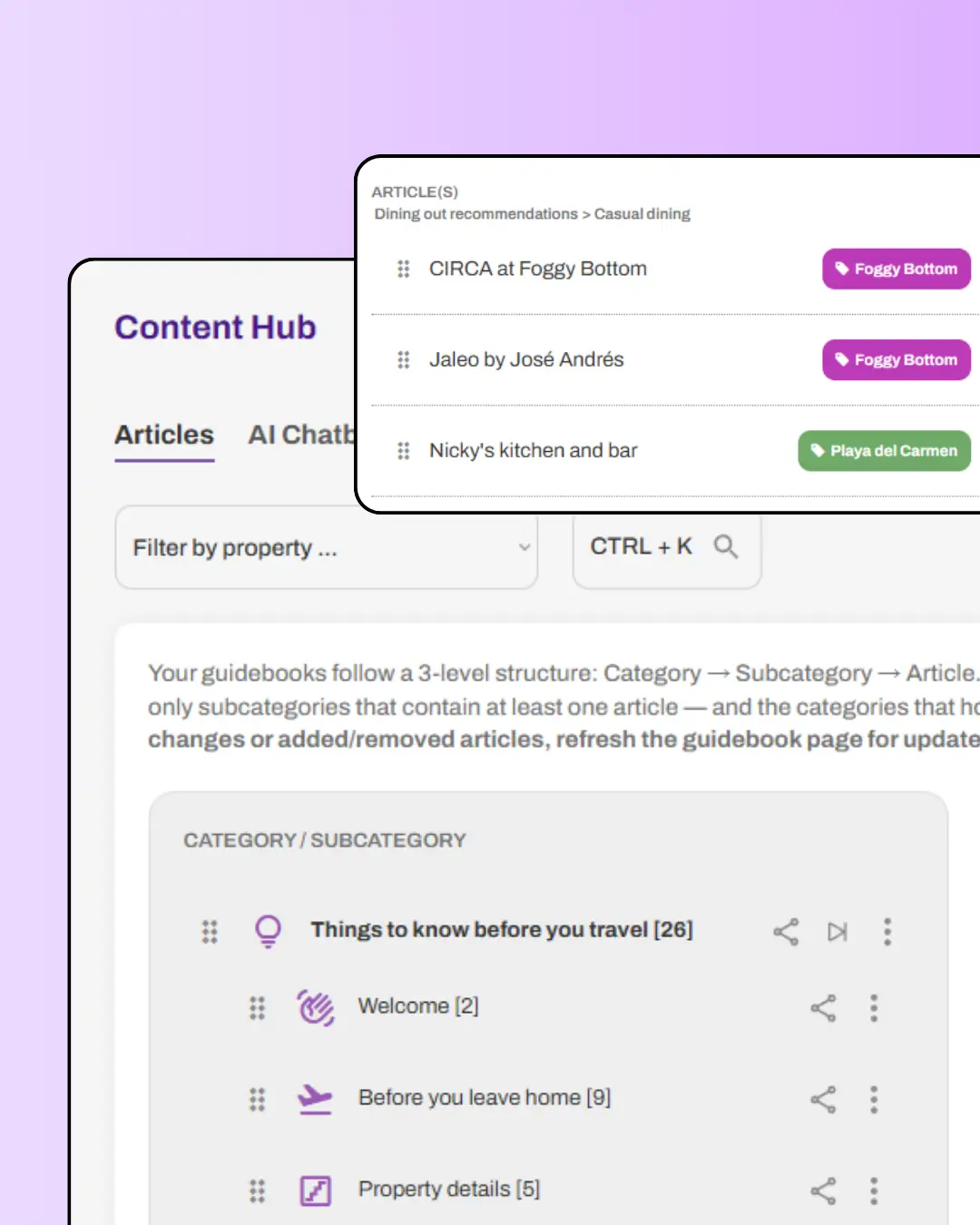
SmoothStay Content Hub showing categories on the left and articles on the right, with a Filter by property dropdown

Why It Matters

Stop duplicating, start reusing

Most multi-property hosts end up with the same article rewritten ten times — "How to use the AC," "How to use the AC at Casa Koba," "AC instructions for Maya Villa.” Tags fix this. Write the article once, tag it for the properties it applies to, and it appears in every relevant guidebook automatically. Update once, update everywhere.

Stop duplicating, start reusing

Most multi-property hosts end up with the same article rewritten ten times — "How to use the AC," "How to use the AC at Casa Koba," "AC instructions for Maya Villa.” Tags fix this. Write the article once, tag it for the properties it applies to, and it appears in every relevant guidebook automatically. Update once, update everywhere.

Let your content know which property it's in

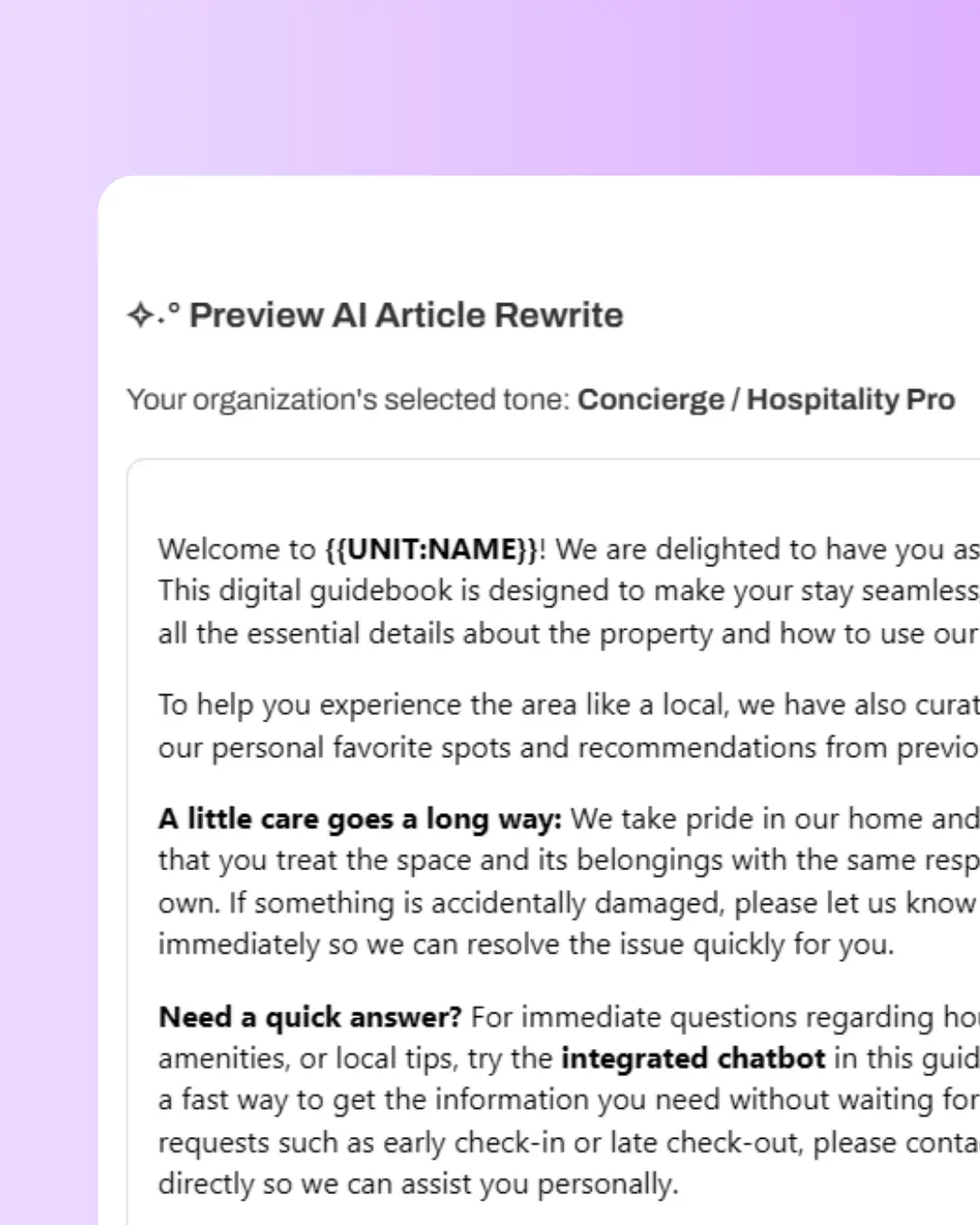
The Data Dictionary is what makes one article work across many properties. Drop a placeholder like {{UNIT:WIFI_PASSWORD}} into your text and it's replaced with the right password for whichever guidebook a guest is viewing. Seventeen variables cover the most-changed details — wifi, address, host name, check-in time, house rules, brand info — so you stop hardcoding what shouldn't be hardcoded.

Let your content know which property it's in

The Data Dictionary is what makes one article work across many properties. Drop a placeholder like {{UNIT:WIFI_PASSWORD}} into your text and it's replaced with the right password for whichever guidebook a guest is viewing. Seventeen variables cover the most-changed details — wifi, address, host name, check-in time, house rules, brand info — so you stop hardcoding what shouldn't be hardcoded.

Structure that scales from 1 to 100 properties

The Content Hub is built around a three-level structure — Category, Subcategory, Article — that stays clean whether you have one guidebook or fifty. Every category and subcategory have their own icon, every article has its own visibility rules, and the host dashboard lets you filter the entire hub by property so multi-property accounts don't drown in their own content.

Structure that scales from 1 to 100 properties

The Content Hub is built around a three-level structure — Category, Subcategory, Article — that stays clean whether you have one guidebook or fifty. Every category and subcategory have their own icon, every article has its own visibility rules, and the host dashboard lets you filter the entire hub by property so multi-property accounts don't drown in their own content.

How it Works

1

Build your structure once

Set up your categories and subcategories in the Content Hub —Things to know before you travel, Dining out, Getting around. Pick an icon for each. This structure becomes the spine of every guidebook you create from here on.

2

Write articles with dynamic placeholders

When you write an article that applies to multiple properties — wifi instructions, welcome message, check-out steps — use Data Dictionary placeholders for anything that changes per property. The Data Dictionary button lives in the editor. Click, pick a variable, done.

3

Tag for reuse, restrict for exceptions

Tag your properties by region or type. Tag your articles to match. Articles with a matching tag appear automatically in those guidebooks. For one-off articles that should only appear in a single property, use the *Restrict visibility to a property* setting instead.

Pricing

The full Content Hub — including data dictionary, tags, dynamic header media, and per-property visibility — is included on every paid plan. The free plan supports the three-level structure and basic article creation so you can see how the system works before scaling.

All Premium Features

$6.90

USD

Guides

1

Need 30+ guidebooks? Get in touch for volume discounts.

No credit card required

Unlimited articles.

Add guidebooks at any time.

AI guest chatbot.

AI content assistant.

Guest registration

Your branding.

Automatic translation.

Advanced analytics.

Custom tags.

Advanced QR generator.

Embed unlimited images & videos.

Data dictionary.

Time-based access for guests.

Privacy controls.

OTA compliance tools

Share deep links.

All Premium Features

$6.90

USD

Guides

1

Need 30+ guidebooks? Get in touch for volume discounts.

No credit card required

Unlimited articles.

Add guidebooks at any time.

AI guest chatbot.

AI content assistant.

Guest registration

Your branding.

Automatic translation.

Advanced analytics.

Custom tags.

Advanced QR generator.

Embed unlimited images & videos.

Data dictionary.

Time-based access for guests.

Privacy controls.

OTA compliance tools

Share deep links.

All Premium Features

$6.90

USD

Guides

1

Need 30+ guidebooks? Get in touch for volume discounts.

No credit card required

Unlimited articles.

Add guidebooks at any time.

AI guest chatbot.

AI content assistant.

Guest registration

Your branding.

Automatic translation.

Advanced analytics.

Custom tags.

Advanced QR generator.

Embed unlimited images & videos.

Data dictionary.

Time-based access for guests.

Privacy controls.

OTA compliance tools

Share deep links.

How to Optimize Your Digital Guidebook Content

  1. The fewer articles you keep, the easier multi-property life gets. Hosts who use tags and the data dictionary aggressively end up maintaining ~60 articles total across 20 properties, not 200 articles. Update wifi once, update everywhere — that's the goal.


  2. Combine tags with the Data Dictionary for the strongest leverage. Tags decide which guidebooks an article appears in. The Data Dictionary decides what details show up inside it. Used together, you can write a single welcome article that works for every property in your portfolio — and reads like it was written for that one specific property.


  3. Use the Streamlined category view when subcategories don't add value. If your *Restaurants* category only has *Casual* and *Fine dining*, two taps to reach an article is a tap too many. Switch to *Subcategories as filters* and guests see all the restaurants on one screen with filter pills on top — much faster.

Questions About SmoothStay's Content Hub?

If I edit an article shared by tag across multiple guidebooks, does it update everywhere?

Can I customize the icons for my categories and subcategories?

What's the difference between tagging an article and restricting it to a specific property?

Can I use one article across multiple properties without rewriting it?

Does the Data Dictionary work with the AI Chatbot too?

What does the "dynamic" header media option do?

What fields are available in the Data Dictionary?

What's the difference between a category, a subcategory, and an article?

Questions About SmoothStay's Content Hub?

If I edit an article shared by tag across multiple guidebooks, does it update everywhere?

Does the Data Dictionary work with the AI Chatbot too?

Can I customize the icons for my categories and subcategories?

What does the "dynamic" header media option do?

What's the difference between tagging an article and restricting it to a specific property?

What fields are available in the Data Dictionary?

Can I use one article across multiple properties without rewriting it?

What's the difference between a category, a subcategory, and an article?

Get Started for Free

Get Started for Free

Get Started for Free

No credit card. Cancel anytime. No apps to download.

No credit card. Cancel anytime. No apps to download.

Get started with SmoothStay
Logo SmoothStay

We’re here to smooth out your hosting journey—making guest experiences better and your work easier.

© 2023–2026 HelloBnB LLC. All rights reserved. SmoothStay™ is a registered DBA of HelloBnB LLC, a Wyoming limited liability company.

Mailing Address: 1007 N Orange St, 4th Floor, Suite 3246, Wilmington, DE 19801, United States.


SmoothStay is not affiliated with Airbnb, Inc, VRBO, or any other platform.

Logo SmoothStay

We’re here to smooth out your hosting journey—making guest experiences better and your work easier.

© 2023–2026 HelloBnB LLC. All rights reserved. SmoothStay™ is a registered DBA of HelloBnB LLC, a Wyoming limited liability company.

Mailing Address: 1007 N Orange St, 4th Floor, Suite 3246, Wilmington, DE 19801, United States.


SmoothStay is not affiliated with Airbnb, Inc, VRBO, or any other platform.

Logo SmoothStay

We’re here to smooth out your hosting journey—making guest experiences better and your work easier.

© 2023–2026 HelloBnB LLC. All rights reserved. SmoothStay™ is a registered DBA of HelloBnB LLC, a Wyoming limited liability company.

Mailing Address: 1007 N Orange St, 4th Floor, Suite 3246, Wilmington, DE 19801, United States.


SmoothStay is not affiliated with Airbnb, Inc, VRBO, or any other platform.