How to Make Money on Airbnb: A Practical Guide for Hosts
how to make money on airbnb with proven hosting strategies: optimize listings, pricing, and guest experience for maximum profits.
Disclosure: Some links in this article are affiliate links. If you make a purchase, we may earn a commission at no extra cost to you. This helps support our content.
Making money on Airbnb really comes down to two things: knowing your property's value and creating a listing that attracts a steady stream of guests. It's a blend of smart strategy, thoughtful hospitality, and a bit of business savvy that turns your space into a reliable income stream.
Understanding Your True Airbnb Earning Potential
Before you jump in, it's crucial to get a realistic picture of what's possible. When we started hosting over a decade ago—first with our 4-bedroom house in Washington, DC, then with beach properties in the Riviera Maya—our biggest lesson was that success begins with solid expectations. This isn’t a get-rich-quick scheme; it’s about building a sustainable hosting business.
Your earning potential hinges on a handful of key factors, and each one plays a big part in what you’ll see in your bank account. To give you a clearer picture, here’s a quick breakdown of what moves the needle the most.
Key Factors That Influence Your Airbnb Income
Factor | Why It Matters | Our Quick Tip |
|---|---|---|
Location | Proximity to attractions, business districts, or events directly impacts demand and what you can charge per night. | Research your neighborhood on Airbnb. See what similar properties are charging and how booked they are. This is your baseline. |
Property Type & Size | A private room attracts a different guest (and price point) than a 4-bedroom house with a pool. Uniqueness also counts! | Highlight what makes your space special. Is it the modern kitchen, the quirky decor, or the killer view? Make that the star. |
Amenities | Features like a pool, hot tub, dedicated workspace, or a pet-friendly policy can justify a higher nightly rate. | Poll friends or check competitor listings to see what amenities are in high demand in your area. Sometimes a small investment pays off big. |
Seasonality | Your income can swing dramatically between high season, low season, and those "shoulder" months in between. | Use a dynamic pricing tool or manually adjust your rates to reflect seasonal demand. Don't leave money on the table during peak times. |
Understanding these drivers from the get-go is what separates the successful hosts from the ones who burn out.
The Key Drivers Of Your Income
First up is location. A condo in a buzzing city center is a completely different ballgame than a quiet cabin in the woods. Proximity to tourist hotspots, business hubs, or major events has a massive impact on your pricing power. We learned this firsthand comparing our urban DC property to our vacation-focused rentals in Playa del Carmen.
Next, think about your property type. Are you offering a private room, a full apartment, or something unique like a treehouse? The size, amenities, and overall vibe of your space will determine the kind of guest you attract and what they’re willing to pay.
And don't forget seasonality, which can cause dramatic swings in your income. You have to know your area's high, low, and shoulder seasons to build a dynamic pricing strategy that keeps you booked and profitable all year long.
Setting achievable goals is the first step toward building a sustainable and profitable Airbnb business. It’s less about chasing booking notifications and more about creating a smart, long-term strategy.
Setting Realistic Earning Goals
So, what can you actually make? The numbers vary wildly. While a typical U.S. host earned an average of $13,800 in 2021 according to Airbnb, that figure can climb significantly in high-demand areas.
For example, hosts near popular national parks can pull in much more. It all proves that with the right strategy and location, the potential is huge.
Running the numbers is a non-negotiable first step. Before you sink your time and money into this, you need a clear picture of your potential profits. To help out, we built a vacation rental investment calculator to forecast your revenue and expenses based on your specific property. It's all about making a data-driven plan instead of just winging it.
Creating a Listing That Converts Browsers to Bookings

Think of your Airbnb listing as your digital handshake—it's the single most important sales tool you have. A great listing doesn't just get seen; it gets booked. From our very first property in DC to our beach condos in Tulum, we learned that a killer listing is the engine that drives revenue.
The goal is to stop scrollers in their tracks. You want to make your space so appealing they feel confident hitting that "Book Now" button without a second thought. This means going way beyond basic descriptions and a few blurry phone pictures.
Pinpoint Your Unique Selling Proposition
Every property has a story. What's yours? Before you write a single word, you need to nail down your Unique Selling Proposition (USP). This is the one thing that makes your property stand out in a sea of competitors. It’s the reason a guest will choose your place over all the others.
Is it the lightning-fast Wi-Fi perfect for digital nomads? Maybe it’s the fully fenced backyard that’s a dream for guests with pets or kids. At one of our Riviera Maya properties, the private rooftop plunge pool became our key differentiator, and we leaned into it hard in our marketing.
To find your USP, ask yourself these questions:
Who is my ideal guest? A business traveler needs a dedicated workspace, not a bunk bed. A family on vacation wants a high chair, not a minimalist glass coffee table.
What is one feature guests consistently rave about? Dig through your past reviews for clues. They’ll tell you what’s working.
What does my property offer that nearby listings don’t? Do some recon on your competition and find the gap in the market.
Once you know your USP, make it the undeniable star of your listing. It should be in your title, the first line of your description, and within the first five photos.
Crafting a Title and Description That Sells
Your listing title is your headline. It has one job: get the click. It needs to be catchy, descriptive, and packed with value. A generic title like "2BR Condo in Downtown" is a snoozefest.
Instead, try something that showcases your USP. A much better title would be something like: "Modern 2BR Loft | Rooftop Deck & Walk to Shops." This immediately tells potential guests what makes your space special. From our experience, including a key amenity or a location benefit right in the title significantly bumps up click-through rates.
Your description needs to tell the story of the experience guests will have. Use short, scannable paragraphs and bullet points to break up the text. Paint a picture with your words, focusing on the benefits, not just the features. Don't just say "king-sized bed"; say "sink into a luxurious king-sized bed after a long day of exploring."
If you need more hands-on guidance, check out our guide on how to write a killer Airbnb description with examples.
Professional Photos on a Budget
Photos are, without a doubt, the most critical part of your listing. Guests spend more time looking at your photos than reading your carefully crafted words. You don't necessarily need to hire a professional photographer, but you absolutely need to create professional-quality images.
In our experience, investing a single weekend to learn basic real estate photography techniques pays for itself with the very first booking. High-quality photos let you charge more, attract better guests, and fill your calendar.
Here’s our simple, battle-tested process for getting great shots:
Declutter and stage: Remove all personal items and clutter. Seriously. Then add small, thoughtful touches like a bottle of wine on the counter, fresh flowers on the table, or neatly folded towels on the bed.
Use natural light: Open every blind and curtain. Shoot during the day, preferably on a bright but slightly overcast day to avoid harsh shadows. And turn off all the artificial lights—they create a weird yellow glow.
Shoot with a wide lens: Use a modern smartphone with a wide-angle setting or a DSLR camera. This makes rooms look more spacious, airy, and inviting.
Edit your photos: You don't need Photoshop. Use free editing software or even your phone's built-in tools to brighten images, increase the contrast, and make sure the colors pop and look true to life.
By focusing on these core elements, you’ll create a listing that works for you 24/7. To make sure your listing truly stands out and keeps the reservations rolling in, explore some proven strategies to increase Airbnb bookings that can make a huge difference in your occupancy rates.
Mastering Your Pricing and Occupancy Strategy
Pricing is one of the biggest puzzles for any host. Price too high, and you’ll be staring at an empty calendar. Price too low, and you're leaving money on the table. Finding that sweet spot is what separates the pros from the amateurs.
Over the years, managing our properties, we’ve learned to stop reacting to the market and start anticipating it. It’s a shift from guessing what people will pay to using data to confidently set your rates. This is the mindset that turns an average listing into a high-performing one.
Embrace Dynamic Pricing
The single most impactful change you can make is to adopt dynamic pricing. This just means your price isn't static; it changes based on demand. Think of it like airline tickets—the price for a flight on a holiday weekend is completely different from a random Tuesday in February. Your Airbnb should be no different.
We manually managed our prices for years, but today, technology makes this so much easier. You have two main paths:
Airbnb's Smart Pricing: This is the platform's built-in tool. It’s a decent starting point if you're new, but in our experience, it often prices too conservatively. It prioritizes getting a booking over getting the best booking.
Third-Party Pricing Tools: Services like PriceLabs, Wheelhouse, or Beyond sync with your calendar and use more sophisticated algorithms. They analyze competitor data, market trends, and even flight patterns to give you much more precise—and often more profitable—pricing recommendations.
Whichever you choose, the goal is to stop thinking of your property as having one single nightly rate. It has hundreds.
Know Your Market Rhythm
Your pricing strategy is only as good as your understanding of what’s happening locally. This means knowing the rhythm of your city or town like the back of your hand.
You absolutely need to track these key demand drivers:
Seasonality: Is your area a summer beach destination or a winter ski town? Map out your high, low, and "shoulder" seasons.
Holidays and Events: Major holidays, concerts, festivals, and conferences are your biggest opportunities to increase rates significantly. Don't get caught off guard!
Day of the Week: Weekend rates should almost always be higher than weekday rates. We typically charge 15-30% more for Friday and Saturday nights.
When we first started, we manually created a local events calendar for the year. It sounds tedious, but it forced us to anticipate demand spikes and adjust our pricing weeks or even months in advance. It paid off, big time.
Profitability is directly tied to these factors. While the average host's income varies, a 2023 report from AirDNA noted that RevPAR (Revenue Per Available Room) grew by nearly 11% year-over-year in the U.S. Keeping a close eye on your market's pulse is what pushes your earnings higher.
Fine-Tune Your Booking Settings
Beyond just the nightly rate, your booking settings are powerful levers for increasing income and making your life easier. Getting these right can make a huge difference in both your bottom line and your sanity.
Minimum Night Stays
Setting minimum stay requirements is crucial for avoiding "orphan days"—those awkward one-night gaps in your calendar that are almost impossible to fill. Here’s a simple strategy that’s always worked for us:
Set a base minimum: We use a two or three-night minimum for most of the year. This tends to filter out the party crowd and reduces the workload from constant turnovers.
Increase for peak periods: For holidays or big events, we bump our minimum to four or even seven nights. This helps us lock in guests looking for longer, more valuable stays.
Use rule-sets for gaps: Most pricing tools let you automatically reduce the minimum stay to fill one or two-night gaps between longer bookings. This is a game-changer for maximizing occupancy.
Long-Stay Discounts
Don't overlook the power of attracting longer stays. Guests who book for a week or a month provide guaranteed income, slash your turnover work, and are often lower-maintenance.
Offering a weekly discount (think 10-15%) and a monthly discount (20-40%) is a very effective way to fill your calendar, especially during the slower off-season. It’s a win-win: the guest gets a better value, and you get reliable revenue with a lot less work.
Perfecting these settings takes a bit of trial and error. For a deeper dive, check out our guide on the key factors to consider when setting up your Airbnb pricing strategy.
Delivering a 5-Star Experience That Earns Reviews
On Airbnb, positive reviews are everything. They're the social proof that builds trust, rockets your listing up the search results, and ultimately gives you the leverage to charge higher rates. But here's the secret: earning consistent 5-star reviews isn't about expensive, over-the-top gestures.
It all comes down to nailing the small, thoughtful details that show you genuinely care about your guests' stay. After a decade of hosting, we’ve learned that memorable hospitality is built on reliability and thoughtfulness—a seamless experience from the moment they book to the second they check out.
The Anatomy of a Flawless Stay
The journey to a 5-star review starts long before your guests even pack their bags. It kicks off with crystal-clear communication that sets the right expectations from the get-go.
A guest who feels informed and prepared is a happy guest. That means sending a warm welcome message right after they book, followed by super-detailed check-in instructions a few days before they arrive. The goal is to be proactive, answering their questions before they even think to ask them.
Here are the pillars that we've found make the biggest impact:
A Foolproof Check-In: Nothing sours a trip faster than a confusing or difficult arrival. A smart lock with a unique code for each guest is one of the single best investments you can make. It’s secure, convenient, and completely removes the stress of coordinating key handoffs.
Impeccable Cleanliness: This is non-negotiable. Your property has to be spotless. Every single time. If you're managing from a distance or just want to guarantee that level of quality, it’s worth looking into professional custom Airbnb cleaning services to keep your place pristine.
Thoughtful Touches: It’s the little things that show you’ve gone the extra mile. A handwritten welcome note, a small basket with local snacks, or just a few bottles of water in the fridge can make a huge impression for a tiny cost.
We once had a guest mention they were celebrating an anniversary in their booking message. We left a simple card and a single, nice chocolate bar on the counter. It took two minutes and cost almost nothing, but they called it out specifically in their glowing 5-star review.
Empowering Guests with a Digital Guidebook
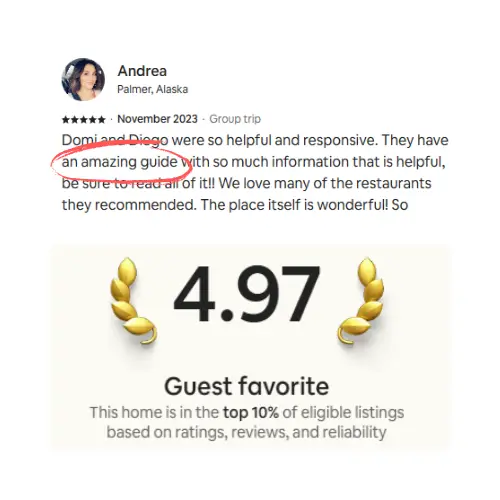
One of the biggest game-changers for our hosting has been the digital guidebook. In the early days, we had a laminated binder, but it was a pain to update, and honestly, guests rarely touched it. Switching to a digital format streamlined everything.
A polished, mobile-friendly guidebook is like having a 24/7 virtual co-host. It’s where we put absolutely everything a guest might need:
Wi-Fi password and network name
Instructions for the TV, coffee maker, and other gadgets
Our personal favorite local coffee shops, restaurants, and hidden gems
Emergency contacts and clear checkout procedures
This one tool has drastically cut down on the number of repetitive questions we get, freeing up our time while making guests feel more self-sufficient and in control. It shifts the experience from feeling purely transactional to being genuinely helpful. For hosts looking to really nail this, we’ve put together an in-depth guide on how to improve guest satisfaction that dives much deeper.
At SmoothStay, we built our customizable guidebooks to solve these exact problems. Features like our AI-powered local recommendations help you provide all the info guests need in a clean, professional way. It's all about giving your guests the confidence that everything has been thought of, so they can just relax and enjoy their trip.
Boosting Revenue with Smart Upsells and Services
Your nightly rate is just the starting point. The real art of maximizing your Airbnb income comes from offering smart, ethical upsells that genuinely make a guest's trip better. It’s all about thinking beyond the bed and finding ways to provide more value.
We've found that guests are more than willing to pay for convenience and unique experiences. This isn't about nickel-and-diming; it's about solving their problems before they even have to ask. By offering thoughtful add-ons, you can turn a standard booking into a memorable, full-service stay that boosts your bottom line and almost always leads to better reviews.
Offer Convenience with Early Check-In and Late Check-Out
One of the easiest and most effective upsells is offering flexible check-in and check-out times for a fee. Travelers dealing with awkward flight schedules are often thrilled to pay a bit extra to drop their bags off early or squeeze in a few more hours of relaxation before heading to the airport.
We typically charge between 25-50% of the previous night's rate, depending on demand and how it impacts our cleaning schedule. The key here is to automate the offer. We send a message a few days before arrival and departure asking if they’d like to add this service. It makes it a seamless, low-pressure option for them.
Think of upsells as solutions. An early check-in isn't just a fee; it's the solution to a guest dragging their luggage around the city for four hours. When you frame it as genuine value, it becomes a win-win.
Provide In-Demand Services and Local Experiences
Think about what your guests consistently need. For our properties that attract longer stays, offering a mid-stay cleaning service for a fee has been a huge hit. It gives them a refreshed space without the hassle, and it provides extra work for our trusted cleaning team.
You can also team up with local businesses. At our Riviera Maya properties, for example, we've connected with reliable airport transfer services and tour operators. We handle the booking for our guests, and the partner company gives us a small commission. The guest gets a vetted, trustworthy service, and we generate a bit of extra income.
This is where the guest experience really comes into focus.
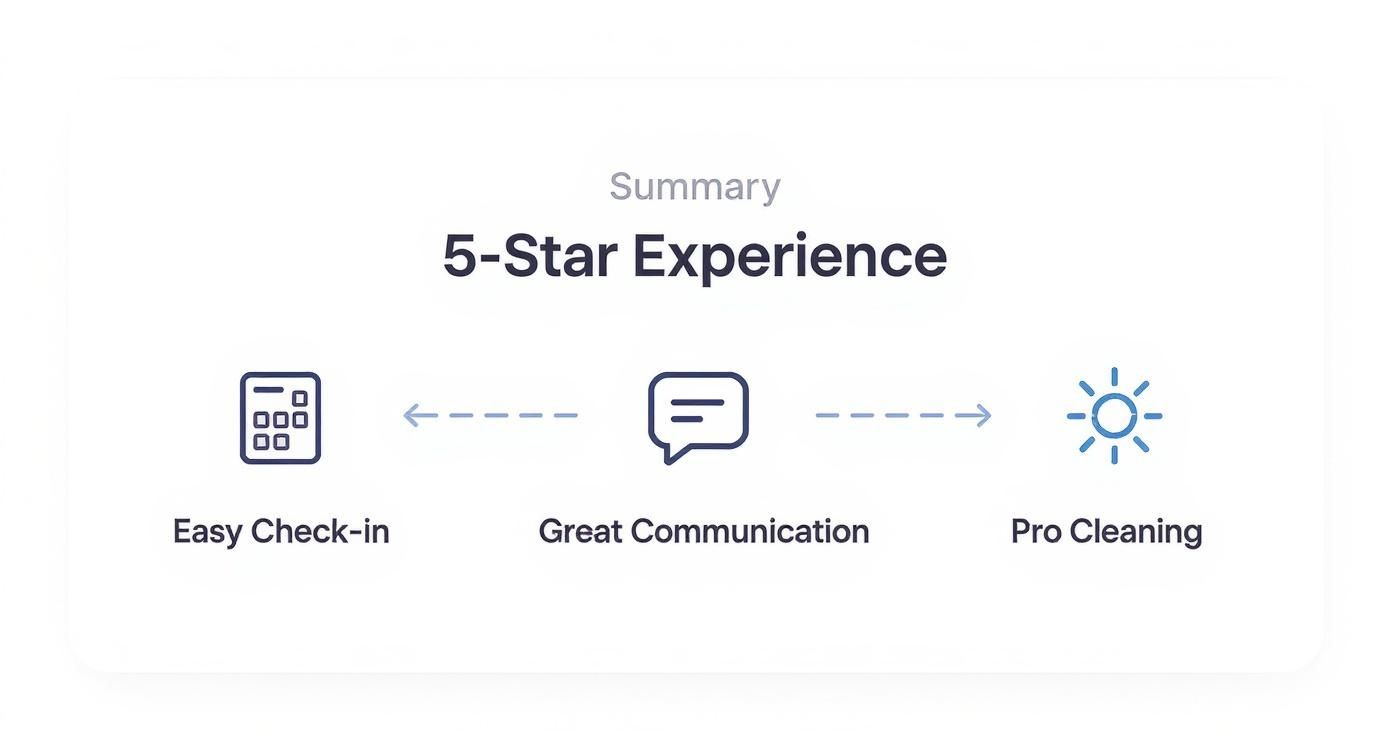
By ensuring easy access, clear communication, and professional quality in your add-ons, you build the trust that makes guests feel comfortable purchasing them.
Create Bundled Packages and Welcome Add-Ons
Another great strategy is to create themed packages. Think about offering a "Romance Package" with a bottle of local wine and chocolates, or a "Family Fun Pack" with pre-purchased tickets to a local attraction and a basket of kid-friendly snacks.
These bundles feel special and take the guesswork out of planning for your guests. Even a thoughtful welcome gift can set a wonderful tone for the entire stay. For more inspiration, you can explore our list of home welcoming gift ideas that make a big impact without breaking the bank.
To give you a better idea of what you can offer, here are some common upsells we've seen work well for hosts.
Revenue-Boosting Upsell Ideas for Your Listing
Upsell Idea | Potential Revenue | Implementation Effort | Guest Value |
|---|---|---|---|
Early Check-In / Late Check-Out | $25 - $100+ per use | Low | High |
Mid-Stay Cleaning | $50 - $150+ per cleaning | Medium | High |
Local Welcome Basket | $20 - $75+ | Low | Medium |
Airport Transfer Coordination | $10 - $30 (Commission) | Medium | High |
Stocked Fridge / Groceries | Cost + 20% Service Fee | Medium | High |
Rental Equipment (Baby Gear, Bikes) | $15 - $50+ per day | High | High |
Local Tour / Experience Booking | $10 - $50+ (Commission) | Medium | Medium |
These are just a few ideas to get you started. The best upsells are the ones that are tailored to your specific property and guest demographic.
The market for these services is robust. In the third quarter of 2023 alone, Airbnb reported $3.2 billion in net income and over 113 million nights and experiences booked. This shows a huge and growing demand from travelers seeking exceptional value.
Ultimately, successful upselling comes from knowing your ideal guest and anticipating what they need. Every add-on should be designed to make their trip smoother, more convenient, or more memorable. When you focus on providing genuine value, the extra revenue will follow.
Your Top Airbnb Hosting Questions, Answered
Jumping into the world of short-term rentals always brings up a ton of questions, especially when you’re trying to figure out how to make real money on Airbnb. We get asked the same things all the time, so we’ve pulled together some direct, practical answers based on our own decade of experience.
Think of this as a conversation between hosts. This is the stuff we wish someone had told us when we were just getting our first DC house off the ground.
How Much Can I Realistically Earn in My First Year on Airbnb?
This is the big one, right? The honest answer is: it completely depends on your location, your property, and how hands-on you are. While you might see stats suggesting an average annual income, your first year is really about building a foundation of fantastic reviews. Don’t get hung up on a magic number just yet.
When we first listed our place, we priced it just a little lower than the competition. Our goal wasn’t to maximize profit from day one, but to fill our calendar and snag that Superhost status as fast as possible. That strategy paid off big time, boosting our visibility in search results and giving us the confidence to raise our rates later.
Expect a ramp-up period of about three to six months. Your main job during this time is to collect glowing reviews and get a feel for the rhythm of your local market. If you can hit 50-60% occupancy in your first six months, you’re building a strong, achievable foundation for long-term success.
What Are the Most Important Investments to Maximize My Income?
When you’re just starting, every dollar counts. You need to put your money where it will have the biggest impact on the guest experience—because that’s what drives reviews. From our experience, a few key investments deliver the highest return, hands down.
If you’re on a tight budget, focus on these three game-changers:
Professional-Quality Photos: This is non-negotiable. Your photos are your storefront, your first impression, and your most powerful sales tool. You don't necessarily have to hire a pro, but your images must look professional.
A High-Quality Mattress and Linens: A phenomenal night's sleep is one of the most common things guests rave about in 5-star reviews. It’s a direct line to their overall satisfaction.
Seamless Check-In: A smart lock is a game-changer. It’s not just about convenience for the guest; it adds a layer of security and saves you countless hours trying to coordinate key handoffs.
Beyond these, fast and reliable Wi-Fi is an absolute must. And don't underestimate small, thoughtful touches like a well-stocked coffee station—they provide a ton of perceived value for a relatively low cost.
Should I Manage My Airbnb Myself or Hire a Property Manager?
This decision really boils down to your available time, how close you live to the property, and what your long-term goals are. Self-managing is definitely more profitable. Co-hosting and property management fees can easily eat up 15-30% of your payout, which is a huge chunk of your revenue.
We started by doing everything ourselves, and we recommend every new host do the same. It forces you to learn every single part of the business, from messaging guests to scheduling cleaners.
However, when we started managing properties for third parties in Mexico while living in the U.S., a local co-host became absolutely essential. You can also create a hybrid model: you handle the online side of things (guest communication, pricing) and hire a trusted local contact just for cleanings, maintenance, and check-ins.
Our advice? Start by managing it yourself. That knowledge is invaluable, even if you decide to outsource parts of it later.
How Do I Handle Taxes and Local Short-Term Rental Laws?
Getting this right from the very beginning is critical for running a legitimate, stress-free business. Short-term rental regulations can vary wildly from one city to the next, so your first stop should be your local government's website. Look for anything related to permits, licenses, and lodging taxes.
While Airbnb often collects and remits some taxes for you, the ultimate responsibility for compliance is always on you. For income tax, you'll report your Airbnb earnings and can deduct a whole range of business expenses, including:
Cleaning fees and supplies
Insurance premiums
Repairs and maintenance
Utilities and a portion of your mortgage interest (pro-rated)
We can't stress this enough: find a local accountant who has experience with short-term rentals. They’ll make sure you're compliant with all the local rules and help you maximize every single deduction you’re entitled to. Meticulous record-keeping will be your best friend come tax time.
We hope this guide has given you a clear, actionable playbook for building a profitable Airbnb business. It’s a journey that takes work, but the rewards—both financial and personal—are well worth it. At SmoothStay, we're passionate about helping hosts succeed because we are hosts ourselves. Our customizable, guest-first guidebooks are designed to help you streamline communication, earn more 5-star reviews, and save precious time.
Start your free trial today and see how a professional guidebook can transform your hosting