10 Superhost Secrets: Essential Hosting Tips Airbnb Pros Use
Elevate your property with these 10 actionable hosting tips Airbnb Superhosts swear by. Boost reviews, streamline operations, and increase bookings today.
Disclosure: Some links in this article are affiliate links. If you make a purchase, we may earn a commission at no extra cost to you. This helps support our content.
When we first listed our 4-bedroom house in Washington, D.C., over a decade ago, we were just hoping to make some extra income. We never imagined it would lead to managing properties from Playa del Carmen to Tulum, but we quickly learned that exceptional hosting isn't about grand, one-off gestures. It’s about mastering a series of small, repeatable systems that create consistently amazing guest experiences. The difference between a good host and a great one often comes down to the details that save you time, reduce guest friction, and quietly earn those glowing 5-star reviews.
These aren't just theories; they're the practical, hard-won lessons that have worked for us across different markets and property types. From automating communication to strategically setting prices, the right systems can transform your hosting from a reactive chore into a streamlined, profitable business. For more actionable strategies on your journey to becoming a Superhost, delve into a comprehensive guide on how to increase Airbnb bookings and optimize your listing.
This guide moves beyond generic advice to give you a clear, actionable framework. We've distilled our most effective strategies into a comprehensive list of hosting tips Airbnb hosts can implement immediately. Whether you're managing a single room or scaling a portfolio, these are the foundational tactics for building a more efficient and rewarding hosting business. We'll cover everything from optimizing your listing and photography to mastering guest communication and leveraging data to make smarter decisions. Here are ten of our most impactful tips to get you started.
1. Create a Comprehensive Digital Guidebook for Instant Guest Communication
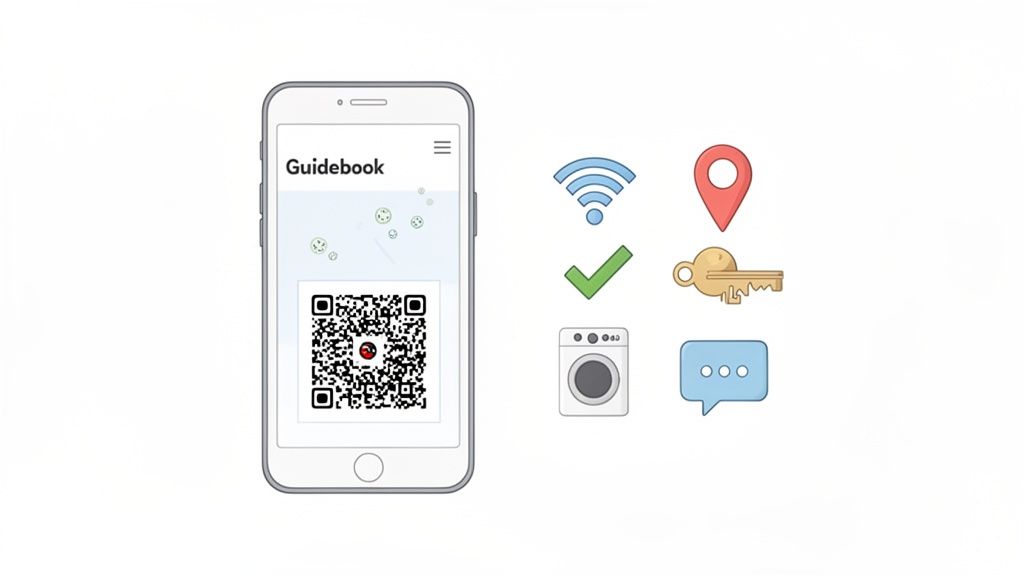
One of the most impactful hosting tips for Airbnb that we implemented across our own properties was transitioning from printed binders to a digital guidebook. A digital guidebook acts as a single, centralized hub for all guest information, accessible via a simple QR code or a custom URL. This proactive approach puts everything a guest could need right at their fingertips, from the moment they book until after they check out.
Instead of answering the same questions about the WiFi password or how the coffee maker works, hosts can direct guests to an interactive, mobile-friendly guide. From our experience managing properties from D.C. to the Riviera Maya, this single change can eliminate up to 80% of repetitive messages. It empowers guests with 24/7 self-service access to critical information, enhancing their stay and freeing up your time.
How to Implement a Digital Guidebook
Getting started is simpler than you might think. Focus on creating a resource that preemptively answers your most frequently asked questions.
Start with the Essentials: Begin with the absolute must-haves: check-in instructions, WiFi details (a scannable QR code is a game-changer), house rules, and emergency contacts.
Add Visuals: Include short videos or annotated photos for appliance tutorials, like the smart TV or thermostat. This not only reduces guest friction but can also minimize accidental damage.
Curate Local Recommendations: Go beyond generic tourist spots. Share your favorite local coffee shop, a hidden gem for dinner, or the best family-friendly park. Keep this content updated seasonally for events and festivals.
Track Engagement: Use a platform that shows you which sections are viewed most often. This insight helps you refine your content to better meet guest needs.
By centralizing information, you create a more professional and seamless guest experience, which directly translates to better reviews. To dig deeper into this strategy, you can find a complete walkthrough on how to create an electronic guidebook on SmoothStay.io.
2. Optimize Professional Photography and Visual Content Strategy
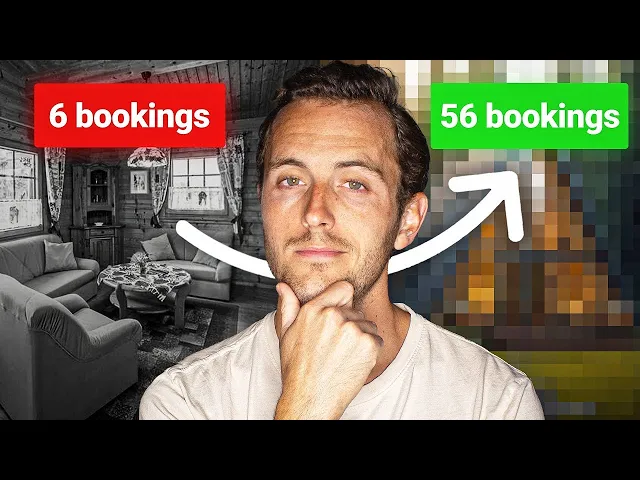
Your listing's photos are the single most important marketing asset you have. They are the first impression guests get and the primary factor influencing their booking decision. Investing in professional photography isn't just a nice-to-have; it's a fundamental business strategy that can directly increase booking inquiries and justify a higher nightly rate. High-quality visuals set accurate expectations, showcase your property's best features, and build trust before a guest even clicks "Book."
From our own experience, upgrading from smartphone photos to a professional shoot for our Playa del Carmen property led to a significant jump in both occupancy and revenue. The right images don't just show a space; they sell an experience. Strategic photo ordering, consistent lighting, and seasonal updates ensure your listing remains competitive and accurately reflects the quality of the stay you provide, reducing the risk of unmet expectations.

How to Implement a Visual Content Strategy
A professional photographer is your starting point, but an effective strategy goes beyond just hiring one. You need to direct the shoot to capture what truly matters to guests.
Hire a Pro with STR Experience: Look for photographers who specialize in real estate or short-term rentals. They understand how to use wide-angle lenses correctly and capture the flow of a space.
Capture the Golden Hour: Schedule your shoot for early morning or late afternoon. This "golden hour" light is soft, warm, and inviting, making your property look its absolute best.
Showcase the Full Experience: Go beyond just rooms. Include photos of unique amenities, the view from the balcony, appliances guests will use, outdoor spaces, and even the neighborhood context to paint a complete picture.
Keep Visuals Current: Update your photos within a couple of weeks of any significant renovation or furniture change. We know a Superhost with a mountain cabin who refreshes her photos quarterly with seasonal decor, helping her maintain a top rating year-round.
By curating a stunning and accurate visual portfolio, you attract more guests and can command a premium price. This is one of the hosting tips for Airbnb that provides a clear and immediate return on investment.
3. Implement a Strategic Pricing and Seasonal Rate Adjustment System
One of the most powerful hosting tips for Airbnb to maximize annual income is moving from a static, "set-it-and-forget-it" price to a dynamic pricing strategy. A strategic pricing system allows you to adjust rates based on real-time demand, seasonality, local events, and market conditions. This proactive approach ensures you’re not leaving money on the table during peak periods or sitting empty during slower months.
Based on our experience managing properties from urban centers to beach destinations, a data-driven pricing model can increase annual revenue significantly. Instead of using one flat rate year-round, you capitalize on high-demand weekends, holidays, and local festivals while using targeted discounts to attract guests when occupancy is typically low. This strategy balances profitability with consistent bookings, creating a more stable and lucrative rental business.
How to Implement a Strategic Pricing System
Getting started involves analyzing your market and setting clear financial goals. The aim is to price your property competitively while reflecting its unique value.
Research Your Comps: Regularly analyze 5-10 comparable properties in your area. Note their pricing for weekdays, weekends, and future dates (30, 60, and 90 days out). If your property has unique amenities like a pool or a prime view, feel confident setting rates 10-15% higher.
Create Seasonal Tiers: Identify your destination's high, shoulder, and low seasons. For our Riviera Maya properties, we have a "High Season" from December to April and a "Low Season" during the hotter, rainier months. Create at least three distinct pricing tiers that reflect this demand.
Price for Events: Plan your rates 3-6 months in advance for major local events like marathons, music festivals, or large conferences. A city-center Airbnb, for example, can often raise rates and add a 3-night minimum during a popular marathon weekend.
Monitor Occupancy Rates: Your booking calendar is your best indicator. If you're consistently booked over 90% for the upcoming month, it's a clear sign you can raise your prices. Conversely, if your occupancy is below 70%, it may be time to introduce a strategic discount.
To learn more about building a robust pricing model, you can explore the key factors to consider when setting up your Airbnb pricing strategy on SmoothStay.io.
4. Master Responsive Guest Communication and Quick Response Times
In the world of Airbnb, response time is not just a courtesy; it's a critical factor in your listing's performance. The platform's algorithm favors hosts who reply quickly, and guests are more likely to book with someone who responds promptly to their inquiries. Mastering responsive communication is one of the most effective hosting tips for Airbnb to increase both bookings and guest satisfaction.
From managing our own properties, we've seen a direct correlation between sub-one-hour response times and higher occupancy rates. A swift, professional reply shows potential guests that you are an attentive and reliable host, building trust before they even book. This system ensures no inquiry goes unanswered, converting more lookers into bookers and setting a positive tone for the entire stay.
How to Implement Faster Communication
Building a system for rapid responses doesn't mean being tied to your phone 24/7. It's about creating efficient workflows and leveraging the right tools.
Create Template Responses: Identify your top 10-15 most common questions (e.g., parking, check-in, pet policy) and save pre-written answers. Airbnb's "Saved Replies" feature is perfect for this, allowing you to answer in seconds.
Set Up Automated Messages: For off-hours or when you're unavailable, use an automated message to acknowledge the inquiry. A simple note like, "Thanks for reaching out! We've received your message and will reply personally within the next two hours," manages expectations and keeps your response time low.
Use Smart Tools: Tools that use AI can help handle initial queries, drastically reducing average response times. We’ve seen this simple change lead to a significant increase in direct bookings for other hosts.
Prioritize In-Stay Communication: While pre-booking speed is key for conversions, your response time during a guest's stay is crucial for earning 5-star reviews. Aim to address any issues or questions within 30 minutes to show you are actively supporting their experience.
By systemizing your communication, you can maintain a high-touch feel without the high-effort time commitment. To explore these strategies further, see how you can automate Airbnb messages with smart tools.
5. Cultivate Exceptional Guest Experiences to Generate 5-Star Reviews
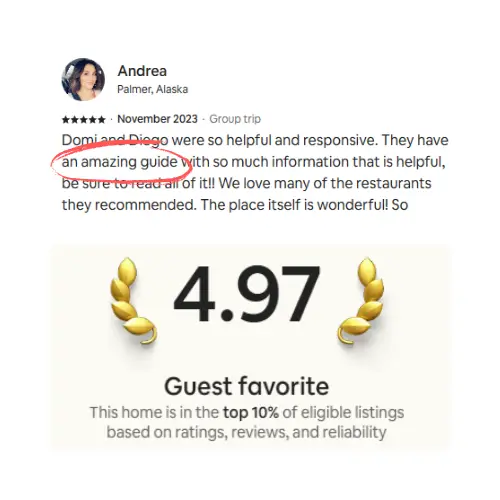
Guest reviews are the currency of a successful short-term rental business. Based on our experience, properties with a 4.85+ star rating can book up to three to five times more frequently than those with ratings below 4.7. Achieving this benchmark isn't about one grand gesture; it's about a consistent commitment to exceeding guest expectations through thoughtful details, proactive communication, and an impeccably clean space.
Exceptional experiences are built from the ground up, starting with the basics and adding layers of personalization. A Superhost we know maintains a 4.98 rating by simply including a welcome basket with local snacks and coffee. This small, thoughtful touch sets a positive tone from the moment guests arrive and is a powerful hosting tip for Airbnb that shows you care.

How to Implement an Exceptional Experience Strategy
The goal is to create a memorable stay that feels both professional and personal. Start by identifying small, high-impact improvements.
Exceed Expectations in 3-5 Specific Ways: You don't need to do everything. Focus on a few key areas, such as a welcome gift, upgraded coffee options, extra pillows and blankets, or a curated list of local, non-touristy recommendations.
Implement a Detailed Cleaning Checklist: Go beyond standard cleaning. We've seen a property management company maintain a 4.92+ average rating across a 12-property portfolio by training their team on a rigorous 47-point checklist. This ensures consistency and quality every single time.
Engage with Every Review: Respond to all reviews, both positive and negative, within 48 hours. A thoughtful response to criticism shows prospective guests that you are a responsive and responsible host who is committed to improvement.
Use Feedback to Evolve: Systematically track guest feedback by theme (e.g., cleanliness, amenities, communication). Use these insights to make targeted improvements to your property and processes, turning every piece of feedback into an opportunity.
6. Establish Clear House Rules and Expectations to Prevent Problems
One of the most effective, yet often overlooked, hosting tips for Airbnb is establishing crystal-clear house rules. Think of your house rules not as a list of restrictions, but as a framework for a successful, stress-free stay for both you and your guests. Clearly communicated expectations act as a filter, attracting respectful guests who are a good fit for your property while deterring those who might cause issues. This proactive step is your first line of defense against misunderstandings, damage, and disputes.
From our own experience, a well-defined set of rules has been instrumental in protecting our properties and maintaining positive neighbor relations, especially in urban settings like Washington, D.C. By setting expectations upfront around noise, extra guests, and smoking, you minimize the chances of a guest’s behavior creating a problem. This simple strategy significantly reduces the need for difficult conversations and potential damage claims, safeguarding your investment and your peace of mind.
How to Implement Effective House Rules
The goal is to be clear and firm, yet friendly and reasonable. Focus on the rules that matter most for protecting your property and ensuring a positive community presence.
Keep It Concise and Crucial: Avoid overwhelming guests with a long list. Stick to 5-8 essential rules covering key areas like noise/quiet hours, parties/events, smoking, pets, and parking.
Explain the "Why": A rule is more likely to be respected if guests understand the reason behind it. For example, instead of just "Quiet hours 10 PM - 8 AM," add "to respect our full-time residential neighbors." This frames the rule as a matter of courtesy, not just a demand.
Promote Visibility: Don't bury your rules. Feature them prominently in your Airbnb listing description, include them in your welcome message, and make them easily accessible in your digital guidebook. Consistent reinforcement is key.
Document and Enforce: To effectively safeguard your property and minimize disputes, creating clear and current documentation of all items is essential. Consider implementing a comprehensive Airbnb Host Inventory to track the condition of your belongings. If a rule is broken, address it politely but firmly, and document the interaction and any evidence through the Airbnb app. This creates a necessary paper trail for any potential claims.
7. Maintain Spotless Cleanliness and Implement Rigorous Cleaning Standards
If there is one non-negotiable factor in Airbnb hosting, it's cleanliness. In our experience managing properties from urban D.C. to the humid Riviera Maya, cleanliness is consistently the number one factor guests mention in reviews. A single negative comment about a dirty bathroom or dusty surface can halt your booking momentum for weeks, making rigorous cleaning standards a critical investment, not an expense.
Implementing a systematic approach to cleanliness transforms it from a chore into a core business process. This means moving beyond a quick wipe-down and adopting a detailed, repeatable system that guarantees a spotless property for every single arrival. This level of consistency is what separates average hosts from Superhosts and directly correlates with higher ratings, more bookings, and increased revenue.
How to Implement Rigorous Cleaning Standards
A pristine property doesn’t happen by accident; it’s the result of a deliberate and documented process. Here’s how to build a system that delivers five-star cleanliness every time.
Create a Detailed Cleaning Checklist: Develop a comprehensive, room-by-room checklist with 50+ points. It should cover everything from wiping down light switches and baseboards to sanitizing remote controls and appliance handles.
Hire Professional Cleaners: While DIY cleaning saves money upfront, professional cleaners offer consistency, efficiency, and reliability. Their expertise ensures a hotel-grade clean and frees you to focus on other hosting tasks.
Document the Final State: Ask your cleaning team to take photos of the property just before the guest arrives. This documentation is invaluable for quality control and can be used to address any unsubstantiated guest complaints.
Schedule Quality Control Inspections: If possible, have someone (or yourself) do a quick 15-minute walkthrough an hour before check-in. This final check catches small misses like a stray hair or a forgotten trash bin.
This meticulous approach is one of the most powerful hosting tips for Airbnb success.
8. Optimize Listing Descriptions and SEO for Maximum Visibility
Your Airbnb listing is your digital storefront, and just like a retail shop, its placement matters. One of the most critical hosting tips for Airbnb is mastering search engine optimization (SEO) within the platform. A well-written listing that uses targeted keywords, compelling descriptions, and a clear value proposition can significantly increase visibility, putting you in front of more potential guests.
Think of it this way: your ideal guest is searching for a specific experience, not just a place to sleep. By optimizing your listing, you ensure your property appears in those highly specific searches. We saw a solid increase in bookings for one of our beach villas after rewriting the description to emphasize "ocean views" and "private sunset location," moving it up in the search rankings in just two weeks. This isn’t about tricking the algorithm; it's about clearly communicating your property's unique value.
How to Implement Listing Optimization
Effective optimization starts with understanding what guests are searching for and ensuring your listing speaks their language.
Research Keywords: Identify 20-30 keywords potential guests use. Think like them: "dog-friendly hiking cabin," "walkable downtown condo," or "quiet family beach house." Tools like Google Keyword Planner can offer inspiration.
Write a Benefit-Focused Headline: Your title is the most important piece of real estate. Instead of "2BR Condo," try "Sun-Drenched 2BR Condo with Ocean Views, Steps to Beach." Highlight the experience, not just the features.
Structure Your Description: Organize your listing description with clear, scannable sections like Overview, The Space, Guest Access, and The Neighborhood. Use bullet points to highlight key amenities.
Incorporate Social Proof: Weave positive phrases from past guest reviews into your description. For example, "As one guest noted, 'the sunset from the balcony is absolutely unforgettable!'" This builds instant credibility and trust.
Update Regularly: Airbnb’s algorithm favors active hosts. Make small updates to your listing monthly, such as adding seasonal photos or mentioning a new local restaurant. This signals that your listing is current and actively managed.
9. Leverage Data Analytics and Guest Feedback to Drive Continuous Improvement
Top-performing hosts don't guess; they measure. One of the most powerful hosting tips for Airbnb is to treat your rental like a business by tracking key metrics and systematically collecting guest feedback. This data-driven approach moves you from reactive problem-solving to proactive enhancement, helping you identify opportunities that are invisible to the naked eye.
Instead of making changes based on a single review or a hunch, you can use analytics to pinpoint exactly what needs attention. By tracking metrics like occupancy rates, guest satisfaction scores, and even the sentiment of your reviews, you can make informed decisions that directly impact your bottom line and guest experience. This is how we identified recurring patterns across our properties, leading to targeted improvements that boosted both ratings and revenue.
How to Implement a Data-Driven Hosting Strategy
Integrating analytics into your workflow is about creating a simple, repeatable process. Focus on tracking a handful of key metrics that give you a clear picture of your property's performance.
Track Key Performance Indicators (KPIs): Start a simple spreadsheet to monitor your occupancy rate, average nightly rate, and revenue on a weekly or monthly basis. This helps you spot trends and understand seasonality.
Analyze Guest Reviews Systematically: Once a month, read through all your reviews and categorize feedback into themes like "cleanliness," "amenities," or "communication." Look for recurring comments, both positive and negative.
Survey Guests Post-Stay: Don't be afraid to ask for direct feedback. A simple, one-question survey like, "What is one thing we could do to make your next stay even better?" can provide invaluable insights.
Take Action and Measure Impact: Use your findings to make one specific improvement each quarter. For example, we noticed a few guests mentioned "weak WiFi." After upgrading our internet plan, the complaint vanished, and our overall rating increased within six months.
10. Build Strategic Partnerships and Cross-Promotion for Growth
One of the most underrated hosting tips for Airbnb is looking beyond your property’s four walls and building a local business ecosystem. Instead of operating in a silo, you can create strategic partnerships with local restaurants, tour operators, and service providers. This approach transforms your rental into a hub for local experiences, driving referrals, enhancing guest satisfaction, and even reducing your operational costs.
We've found that guests don't just book a place to stay; they book a destination. By connecting them with trusted local businesses, you add immense value to their trip. A mountain cabin owner we know partnered with five local activity operators, including hiking and kayaking guides. By featuring them in his digital guidebook, he gets consistent referral bookings and his guests get exclusive access to curated adventures. It’s a powerful network effect where everyone benefits.
How to Implement a Partnership Strategy
Building these relationships is about creating mutual value, not just asking for discounts. A thoughtful, professional approach will set you apart and lead to long-term success.
Identify Complementary Businesses: Make a list of 10-15 local businesses that align with your guest profile. Think about restaurants, coffee shops, bike rentals, tour guides, or even a trusted babysitting service.
Propose a Win-Win Scenario: Reach out with a clear proposal. Offer to feature them in your guest communications in exchange for a small guest discount, a referral fee, or cross-promotion on their social media.
Negotiate Volume Discounts: For your own operations, leverage your consistent business to negotiate bulk discounts. A property manager in our network saved over $4,000 annually across 10 properties by securing a volume discount with a single cleaning company, which they then reinvested into premium guest amenities.
Track and Measure: Keep a simple record of referrals sent and received. This data helps you identify which partnerships are most valuable and where you can double down on your efforts.
Your Next 5-Star Review is Waiting
Transforming your Airbnb from just another listing into a sought-after destination doesn't happen by accident. It's the direct result of intentional, systematic improvements. The journey to becoming a top-tier host is paved with small, consistent actions that, when combined, create an unforgettable guest experience. We've walked through ten powerful strategies, each a critical component of a successful hosting business. From the foundational importance of a comprehensive digital guidebook to the nuanced art of strategic pricing, these aren't just abstract ideas; they are the proven building blocks for achieving five-star status.
Think of these hosting tips not as a daunting checklist, but as a toolkit. You don't need to implement everything overnight. The key is to identify your most significant pain points and start there. Are you spending too much time answering the same questions? Focus on mastering your guest communication and building out that digital guidebook. Are your bookings inconsistent during the off-season? It’s time to dive deep into a dynamic pricing strategy and optimize your listing's SEO.
From Good to Great: The Compounding Power of Small Changes
The most successful hosts understand that excellence is a process, not a destination. The difference between a four-star review and a five-star review often lies in the details you've already considered: the clarity of your house rules, the speed of your responses, and the impeccable cleanliness of your space. Each tip we've covered is designed to address a specific aspect of the guest journey, ensuring a seamless and positive experience from the moment they book until long after they check out.
Remember the core principles that connect all these strategies:
Anticipate Needs: A great host thinks like a guest. Your digital guidebook, your welcome amenities, and your clear instructions all show that you've considered their needs before they even have to ask.
Communicate Proactively: Masterful communication sets the tone. By being responsive, clear, and friendly, you build trust and make guests feel valued and secure in their choice.
Systematize for Consistency: Relying on memory or ad-hoc processes leads to mistakes. Implementing rigorous cleaning standards, using data to inform your decisions, and leveraging partnerships create a reliable, repeatable system for success.
This systematic approach is what separates amateurs from professionals. It’s how you reduce stress, save time, and ultimately, build a more profitable and enjoyable hosting business. The goal is to create a well-oiled machine where guest satisfaction is the natural byproduct of your excellent systems.
Your Action Plan for Hosting Success
Don't let this information become overwhelming. Instead, commit to taking one concrete step this week. Choose the single tip that resonates most with your current challenges and focus your energy there.
If you struggle with repetitive questions: Spend the next hour creating a simple digital guidebook. List your Wi-Fi details, check-in instructions, and three local recommendations. It's a small start that will save you immense time.
If your listing feels stale: Schedule a professional photoshoot or spend an afternoon taking new, high-quality photos with your smartphone in good lighting. A visual refresh can dramatically increase clicks and bookings.
If your reviews are good but not great: Review your last ten guest feedback comments. Identify one recurring theme, whether it's a minor maintenance issue or a desire for more local tips, and fix it immediately.
By adopting this mindset of continuous, incremental improvement, you build momentum. Each small win makes the next one easier. These hosting tips for Airbnb are your roadmap, but you are the driver. You have the power to implement these changes and watch as your calendar fills up, your revenue grows, and those glowing five-star reviews become the standard for your property. The path to becoming a Superhost is clear, and it starts with the next action you take.
Many of the principles we've discussed, from proactive communication to creating a seamless guest experience, are at the core of what we've built at SmoothStay. We believe in guest-first features and customizable, professional guidebooks. If you're ready to put these tips into action, see how our AI-powered features and fair, scalable pricing can help you earn your next five-star review with ease.