How to Start a B&B: A Practical Guide to Launching Your Dream
how to start a b&b: Planning, legal setup, and guest-experience tips from a decade of hosting.
Disclosure: Some links in this article are affiliate links. If you make a purchase, we may earn a commission at no extra cost to you. This helps support our content.
So, you're dreaming of opening your own bed and breakfast? You've come to the right place. We started this journey over a decade ago with our own 4-bedroom house in Washington, D.C., and have since expanded to manage our own beach properties and others in the Riviera Maya. We learned every lesson, and this guide is built on that experience—no fluff, just the practical roadmap that worked for us.
From B&B Dream to Grand Opening
We're going to walk you through the entire process, from figuring out if your idea has legs all the way to welcoming your very first guest. Think of this as a candid chat with a fellow host who genuinely wants to see you succeed.
From our experience, the whole process really comes down to three core stages: meticulous planning, thoughtful setup, and finally, exceptional hosting.
This infographic gives you a great visual breakdown of the essential steps.
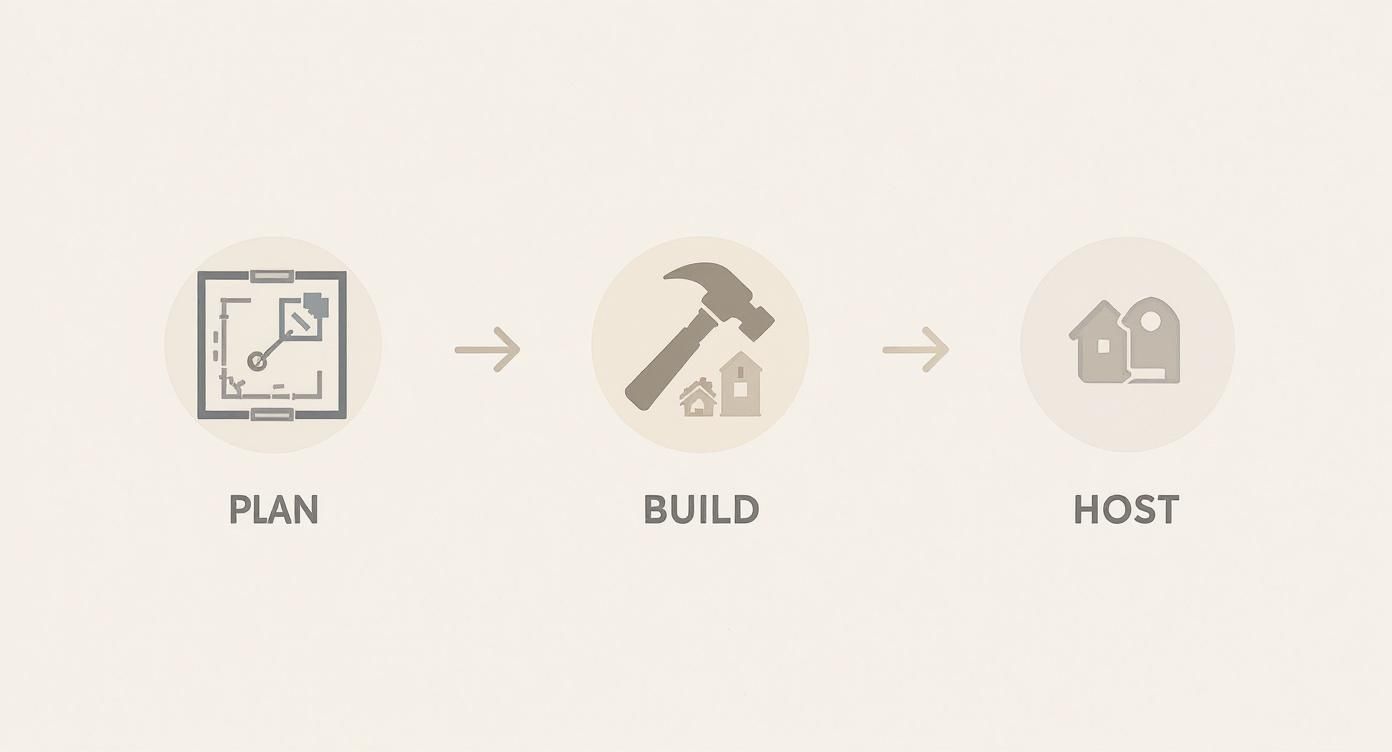
Each step builds on the last, creating a solid foundation for a business that's not only profitable but also deeply rewarding.
What This Guide Covers
We’ll get into the nitty-gritty of crafting a business plan that makes sense, navigating the legal hoops, designing a space that feels like a genuine escape, and delivering a guest experience that brings in those glowing reviews. We’re not just sharing random advice; we’re giving you the exact framework we used to build our hosting business from the ground up.
This isn't just about the romantic side of B&B life—it's about the real, day-to-day work. It's a demanding job that often takes a true partnership to juggle everything from the books to guest relations.
Our goal is to give you a clear-eyed view of what it takes. Running a B&B is incredibly rewarding, but it’s also a serious business that demands careful preparation and a genuine passion for hospitality.
Before we dive into business plans and legal structures, it helps to see the big picture. For a detailed checklist to keep you on track from day one, take a look at our comprehensive Airbnb hosting checklist—it applies perfectly to new B&B owners, too.
1. Crafting Your B&B Business Blueprint
Before you get lost in fabric swatches or breakfast menus, let's talk about the single most important step: creating a solid business plan. This is where your vision gets its foundation.
Skipping this part is like building a house without a blueprint—it’s risky and rarely ends well.
When we started, our plan wasn't some stuffy corporate document. It was a practical roadmap that forced us to answer the tough questions and get honest about the numbers. It’s your chance to think through every detail before you invest your time and money.
Define Your Unique Concept and Niche
First things first: what kind of B&B are you actually creating? Your unique concept is what will set you apart from the hotel down the street or the other rentals in your area. This "niche" informs every decision you make, from your marketing language to the type of coffee you serve.
Think about the specific experience you want to offer. Are you picturing:
A rustic farm stay with home-cooked meals using local ingredients?
A chic urban retreat for business travelers and weekend explorers?
A cozy seaside cottage perfect for romantic getaways?
An eco-friendly lodge for nature lovers and hikers?
Your niche helps you attract your ideal guest—the people who will truly appreciate what you've built. For our beach properties in Playa del Carmen and Tulum, we leaned into a relaxed, modern-boho vibe that attracts guests looking for a stylish escape, not a traditional hotel stay.
Analyze Your Local Market and Competition
Once you know your concept, it's time to do some homework. Who are your competitors? Look at other B&Bs, small inns, and even top-performing short-term rentals in your area.
Don't just browse their websites. Study their pricing, read their reviews (especially the bad ones!), and figure out what they do well. This isn't about copying them; it's about finding your unique place in the market.
What Worked for Us: We used a simple spreadsheet to track our top 5-7 competitors. We noted their nightly rates for different seasons, key amenities, and what guests consistently praised or complained about. This helped us spot opportunities to offer something better or different.
The good news is that you're entering a growing field. The bed-and-breakfast market has shown an impressive annual growth rate of 10.3% over the past three years, reaching a market value of $2 billion in 2024. This trend is driven by travelers seeking authentic, personal lodging experiences—exactly what a great B&B provides.
For a deeper dive into these numbers, you can explore the full industry research on the bed-and-breakfast market from Kentley Insights.
Build a Realistic Financial Forecast
Now for the part that can feel intimidating: the numbers. A clear financial forecast is your best friend. It transforms your idea from a hobby into a viable business, and it’s absolutely essential if you plan to seek any kind of funding.
Your forecast needs to realistically estimate three key areas:
Startup Costs: This includes everything from property acquisition and renovations to furniture, linens, licenses, and initial marketing.
Operating Expenses: These are your ongoing monthly costs like mortgage/rent, utilities, insurance, property taxes, breakfast supplies, cleaning, and software subscriptions.
Revenue Projections: This is where you'll estimate your income based on your nightly rate and expected occupancy rate. Be conservative at first; it's better to under-promise and over-deliver.
Be thorough here, and always add a contingency fund. From our experience, 15-20% is a wise buffer for those inevitable unexpected expenses.
To give you a clearer picture, here’s a sample breakdown of what startup costs can look like. Remember, these are just estimates and will vary wildly based on your property and location.
B&B Startup Cost Estimation
Expense Category | Estimated Cost Range (USD) | Key Considerations |
|---|---|---|
Property Acquisition | $150,000 - $1,000,000+ | Down payment, closing costs. Highly variable by market. |
Renovations & Repairs | $20,000 - $150,000+ | Kitchen/bath upgrades, painting, structural work. |
Furnishings & Decor | $15,000 - $75,000 | Beds, linens, furniture for rooms and common areas. |
Licenses & Permits | $500 - $5,000 | Business license, health permit, occupancy certificate. |
Initial Marketing | $2,000 - $10,000 | Professional photos, website, online listing fees. |
Operating Supplies | $3,000 - $8,000 | Linens (3 sets per bed), towels, kitchenware, toiletries. |
Contingency Fund | 15-20% of Total Costs | Crucial for covering unforeseen expenses during setup. |
Projecting these numbers can feel complex, but getting them right is crucial for long-term success.
To help you map out your investment and potential returns with more accuracy, you should use a tool designed for this. Our detailed vacation rental investment calculator is a powerful way to stress-test your financial assumptions and ensure your B&B is set up for profitability from day one.
2. Navigating the Legal Maze of Your New B&B
Let’s be honest—dealing with permits, licenses, and regulations can feel like the least exciting part of starting a B&B. When we were first setting up our D.C. house, it felt like a mountain of paperwork. But from our experience, tackling this stuff early is one of the smartest things you can do to avoid major headaches later.
Think of it as building the legal foundation for your business. Get it right from the start, and you can open your doors with confidence, knowing you're protected and fully compliant.
Choosing Your Business Structure
One of the first big decisions you'll make is how to structure your business legally. For most new hosts, the two most common paths are operating as a sole proprietor or forming a Limited Liability Company (LLC).
We opted for an LLC for our properties, and here's the main reason: it separates your personal assets from your business assets. If something goes wrong and a guest decides to sue, an LLC helps protect your personal home, car, and savings. A sole proprietorship just doesn't offer that same wall of protection, leaving you personally liable for everything.
While setting up an LLC involves more paperwork and a small fee, the peace of mind it offered us was invaluable. We strongly suggest talking to a legal professional to figure out what’s best for your specific situation, but this protection is a huge consideration.
The Essential Permits and Licenses Checklist
Once your business structure is sorted, it’s time to get your permits in order. The specific requirements will vary wildly depending on your city and state, so local research is absolutely key here.
Here’s a general checklist of what you'll likely need to look into:
Business License: This is the basic permit you'll need to operate any business in your city or county.
Certificate of Occupancy: This document certifies that your property is safe for people to occupy and complies with all local building codes.
Food Handler's Permit: If you're serving breakfast (it's in the name, after all!), your local health department will almost certainly require you or your staff to have this certification.
Lodging and Sales Tax Accounts: You'll need to register with your state and local tax authorities to collect and pay occupancy and sales taxes.
Zoning laws are especially critical. Before you do anything else, you must confirm that your property is zoned for commercial lodging. A quick call or visit to your local planning department can save you from a monumentally costly mistake.
Protecting Your Business with the Right Insurance
Let me be clear: your standard homeowner's insurance is not enough to cover a B&B. You're running a commercial enterprise, which means you need commercial liability insurance. This is what protects you against accidents, injuries, and property damage involving your guests.
When we were shopping for policies, we made sure to find coverage that specifically included:
General Liability: This covers the classic "slip-and-fall" incidents and other guest injuries.
Property Coverage: This protects your building and its contents from damage, like from a fire or a burst pipe.
Loss of Income Insurance: This can be a real lifesaver if you have to temporarily close due to a covered event, like a major storm.
Don't skimp on this. The right insurance policy is a non-negotiable safety net for your investment and your livelihood. Yes, it’s an added expense, but the potential cost of not having it is infinitely greater.
Beyond insurance, another layer of protection comes from having clear, legally sound agreements with your guests. These documents set expectations and outline rules, which can prevent misunderstandings before they even start. To learn more, check out our guide on the essentials of vacation rental agreements for hosts. It’s an easy way to add another level of professionalism and security to your operation.
3. Designing an Unforgettable Guest Experience
Let’s be honest: the true heart of a great B&B isn't just a solid business plan or a comfy bed. After a decade of hosting, we've learned it’s the memorable experience you create for your guests. They remember the small, thoughtful details far more than anything else. This is where you can really shine and turn first-time visitors into repeat customers who rave about your place.
It all starts with the physical space. You need to create rooms that aren’t just beautiful but are also ridiculously functional. Every single choice, from the quality of the sheets to where you put the reading lamp, shapes how your guest feels and what they think your B&B is worth.
Creating Beautiful and Functional Spaces
When we first started out, we obsessed over how a guest would actually use the room. Is there an outlet right by the bed for their phone? Is the lighting warm and inviting, or does it feel like an operating room? Does the space feel calm or cluttered?
These little things add up to a powerful feeling of being cared for. You don’t need a massive budget to create a touch of luxury; it's more about being thoughtful and intentional. For some great, practical tips, check out these luxury bedroom styling ideas on a budget.
Some of the small investments that have given us the best returns over the years include:
High-Quality Bedding: We always buy at least three sets of great sheets for every bed. This guarantees a fantastic night's sleep and makes room turnovers so much smoother.
Blackout Curtains: This one's non-negotiable. A good night's sleep is everything, and letting guests control the light in their room is a simple win.
A Comfortable Seating Area: Even a single cozy armchair with a small table and good lighting creates a perfect little nook for someone to unwind with a book.
The most common feedback we get isn't about some grand, expensive feature. It’s always about the little things. Guests consistently mention the comfortable mattress, the quality of the coffee, or how convenient it was to have a power strip on the nightstand. These details show you've anticipated what they need before they even ask.
Crafting a Signature Breakfast
The "breakfast" part of your B&B's name is your big chance to make a delicious impression. This doesn't mean you need to be a Michelin-starred chef. It’s about offering something fresh, local, and memorable that guests can’t just get at a generic hotel chain.
For our properties, we focus on a simple but high-quality menu that features local ingredients whenever we can. It's easier to manage and just feels more authentic. You could offer a signature dish, like lemon ricotta pancakes or a special baked omelet, alongside a simple continental spread. And always, always ask about dietary restrictions ahead of time—it's a small touch that shows you genuinely care.
Becoming the Ultimate Local Guide
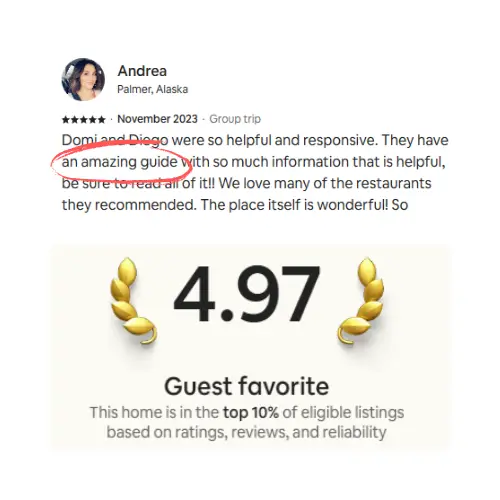
Modern hospitality goes way beyond the four walls of your property. Your guests are looking for an authentic local experience, and you are their most trusted guide. Sharing your insider knowledge is one of the most powerful ways to take their stay from good to unforgettable.
This is where a modern digital guidebook becomes absolutely essential. Forget the dusty binder on the coffee table. A digital guide puts all your best recommendations and crucial property info right on your guests' phones.
We use SmoothStay to create beautiful, custom guidebooks for each of our properties. We pack them with our favorite local coffee shops, hidden beach spots, and the best taco stands—the kind of places they'd never find in a generic travel blog.
This screenshot shows how a clean, visual layout makes it incredibly easy for guests to find what they need, from check-in details to restaurant tips.
A digital guidebook empowers your guests with instant answers, which means you get fewer repetitive questions and save a ton of time. It's a total win-win that helps them feel more independent while solidifying your role as the expert host.
Building a great guidebook is an art. For hosts looking for a little inspiration, our post on creating an Airbnb welcome book template has some fantastic tips that work perfectly for any B&B. At the end of the day, mastering hospitality is all about thoughtfully combining comfort, personal touches, and local expertise to create an experience that feels both effortless and unforgettable.
4. Marketing Your B&B to Secure Bookings
A beautiful, welcoming B&B is a wonderful thing, but it only becomes a successful business when people know it exists. After years of running everything from our four-bedroom house in D.C. to beach rentals in the Riviera Maya, we’ve learned that a smart marketing approach is essential to keeping the lights on and the rooms full.

Your marketing journey starts with one crucial element: high-quality photography. Seriously, this is non-negotiable. Your photos are your digital handshake, and they need to tell a compelling story about the experience you offer. It’s one of the few areas where we recommend not cutting corners—hiring a professional photographer is an investment that pays for itself almost immediately.
Leveraging Online Travel Agencies
For new B&B owners, Online Travel Agencies (OTAs) like Airbnb and Booking.com are your fastest path to visibility. Think of them as massive billboards on the digital highway, exposing your property to a global audience you could never reach on your own, especially in the beginning.
The data backs this up. A 2023 report from IBISWorld shows just how vital these platforms are, as a majority of travelers use them to plan trips. You can get a deeper look at these traveler booking trends from IBISWorld.
But this visibility comes at a cost. OTAs charge commission fees on every booking, typically ranging from 3% to 15% or more. While this is a standard cost of doing business, it’s a significant cut of your revenue. It also underscores why you shouldn't rely on them exclusively.
Building Your Direct Booking Strategy
The most profitable booking you'll ever get is a direct booking. Period. When a guest books through your own website, you keep 100% of the revenue, build a direct relationship with them, and own the entire guest experience from the very start. This is why having a direct booking strategy is so critical for long-term success.
Your own professional website is the cornerstone of this strategy. At a minimum, it should feature:
Stunning Photos: Showcase your property, rooms, breakfast, and those unique details that make you special.
A Simple Booking Engine: Make it ridiculously easy for guests to check availability and book directly.
Compelling Descriptions: Tell your story. Why did you start your B&B? What do you love about your town?
Your Local Expertise: Share a blog or guide with your favorite local spots to establish yourself as the expert.
We always offer a small perk for direct bookers, like a complimentary bottle of local wine or a slightly better rate. This simple incentive encourages guests to book with us directly instead of through an OTA, which saves us money on commissions and helps us build our own customer base for the future.
Expanding Your Reach with Smart Marketing Tactics
Beyond OTAs and your own website, a few other channels have consistently worked for us to drive both direct bookings and general awareness.
First, social media—specifically Instagram and Facebook—is perfect for a visual business like a B&B. You don’t need to post every day. Just share beautiful photos of your property, highlight a seasonal breakfast dish, or post a short video of your garden. It’s all about keeping your B&B top-of-mind.
Second, an email newsletter is your most valuable marketing asset. Collect emails from every guest (with their permission, of course) and send out updates a few times a year. Share news about local events, offer a special discount for returning visitors, or just say hello. This direct line of communication is incredibly powerful for encouraging repeat business.
Finally, don't underestimate the power of local partnerships. Connect with nearby wedding venues, wineries, or popular restaurants. You can offer to refer guests to each other, creating a mutually beneficial relationship that brings in bookings you might not have gotten otherwise.
Building a marketing plan that balances the wide reach of OTAs with the profitability of direct bookings is how you start a B&B that not only survives but truly thrives.
5. Streamlining Operations to Prevent Burnout
Running a B&B isn't a nine-to-five job; it's a lifestyle. And if there’s one thing that surprises new hosts, it’s just how relentless it can feel. To keep from burning out and actually enjoy the life you’re building, you absolutely have to create efficient, sustainable systems. This is where smart technology and solid processes become your superpower.
Honestly, hosting is physically and mentally exhausting. When we first started, we tried to do everything by hand—taking reservations over the phone, personally answering the same questions about the Wi-Fi password again and again. It was a fast track to exhaustion. The single biggest change that made our business sustainable for the long haul was learning to automate and systematize all those repetitive tasks.
It all comes down to working smarter, not harder. If you can learn how to streamline business processes for peak efficiency, you’ll build a B&B that runs smoothly and minimizes your stress.
Automate Your Bookings and Communication
A reliable booking system is your first line of defense against burnout. Trying to manually manage a calendar across multiple platforms is just asking for double-bookings and a massive headache. A good channel manager or property management system (PMS) syncs your availability automatically, so you can set it and forget it.
Next up is automating your guest communication. You can schedule messages to go out at key moments, handling all the essentials without you lifting a finger:
Booking Confirmation: An instant email that confirms their booking and says thank you.
Pre-Arrival Message: Sent a few days before check-in, this message should include directions, access codes, and a link to your digital guidebook.
Post-Stay Follow-Up: A simple thank you note sent the day after checkout that gently nudges them to leave a review.
These automated touchpoints make sure guests feel informed and cared for, and they’ll save you hours of typing the same things every single week.
Centralize Everything with a Digital Guidebook
A digital guidebook might just be the most powerful tool you have for operational efficiency. Instead of fielding endless texts and calls, you can point every guest to one central, easy-to-use resource. It’s a complete game-changer for reclaiming your time.
We found that after implementing a SmoothStay digital guidebook, repetitive guest questions dropped significantly. Guests could instantly find the Wi-Fi password, instructions for the coffee maker, or our favorite local dinner spots, all on their own schedule.
With an AI-powered assistant built right into the guidebook, guests can get instant answers 24/7, even while you're asleep. This doesn't just improve the guest experience; it gives you your life back.
This move toward guest self-service is part of a bigger trend. Guests today simply expect digital convenience, and a great guidebook delivers just that.
Finally, creating clear, repeatable processes is key. Documenting everything from your room turnover cleaning sequence to your breakfast prep is vital. To help with this, our guide on how to create an SOP gives you a simple framework. By building these systems, you create a B&B that runs like a well-oiled machine, freeing you up to focus on what truly matters—creating amazing experiences for your guests.
Common Questions from New B&B Owners
After a decade of hosting, we’ve heard just about every question from aspiring B&B owners. Thinking back to when we started our own journey, we had the exact same ones. Here are a few of the most common queries we get, with some hard-earned answers.
How Much Profit Can I Realistically Make?
This is the big one, isn't it? The truth is, profitability depends entirely on your location, occupancy rates, and how tightly you manage your costs. A well-run B&B in a popular tourist spot can realistically see profit margins anywhere from 10-40%.
This is where your business plan's financial projections become your best friend. It’s the only way to get a clear picture of your potential income after you’ve accounted for every single expense—the mortgage, utilities, breakfast supplies, and marketing budget.
What Is the Biggest Unexpected Challenge?
From our own experience, the single biggest challenge is the 24/7 nature of the business. You aren't just running a business; you're living inside of it, which can make it incredibly hard to ever truly switch off.
The most critical lesson we learned was to set firm boundaries for our personal time. Automating tasks like sending check-in instructions or answering common questions with a digital tool was a total game-changer for preventing burnout and keeping a healthy balance.
Do I Need Prior Hospitality Experience to Succeed?
While it certainly helps, it’s not a dealbreaker at all. We've found that a genuine passion for hosting, strong organizational skills, and a true willingness to learn are far more important in the long run.
Many of the most successful innkeepers we know came from completely different professional backgrounds. Your success will come from providing authentic, heartfelt hospitality and creating efficient systems to make your life easier. You can absolutely learn the rest as you go.
Starting a B&B is an incredible journey, and you don't have to do it alone. We built SmoothStay to be the tool we wished we'd had—a simple way to elevate the guest experience while giving you back your precious time. Our customizable, guest-first guidebooks and AI-powered features are designed by hosts, for hosts.
Ready to provide a seamless, professional experience for your guests? Explore SmoothStay today at https://www.smoothstay.io.