A Perfect Airbnb Guest Book Template for Hosts
Elevate your guest experience with our Airbnb guest book template. Discover practical tips and real examples to create a guide that secures 5-star reviews.

Disclosure: Some links in this article are affiliate links. If you make a purchase, we may earn a commission at no extra cost to you. This helps support our content.
An effective Airbnb guest book template is more than a list of rules. Think of it as a powerful tool to shape a 5-star experience, answer questions before they're ever asked, and set a professional, trusting tone from the moment guests walk through the door. It’s your secret weapon for turning a good stay into an unforgettable one.
Why a Guest Book Is Your Hosting Superpower
Let's be honest, creating a guest book can feel like just another task on a never-ending host checklist. But from our own experience managing properties—from our family home in Washington, D.C. to our beach condos in the Riviera Maya—we've learned it's one of the most impactful things you can do.

Think of it as your silent co-host. It works 24/7 to make guests feel welcome and cared for, reducing those late-night texts about the Wi-Fi password or how to work the coffee machine. This simple guide proves you're committed to their comfort and immediately builds a foundation of trust.
The Impact on Guest Experience
A thoughtful guest book does more than just give information; it anticipates needs and solves minor problems before they can become frustrations. This proactive approach is a huge part of what makes guests feel truly looked after.
A great guest book is your first opportunity to show guests you’ve thought of everything. It’s not just about rules; it’s about providing a seamless, stress-free experience that feels genuinely hospitable.
For example, when a guest arrives tired after a long flight, finding clear, simple instructions for the smart TV or AC unit is a massive relief. It’s these small moments of convenience that add up to an overwhelmingly positive impression and are crucial for boosting guest satisfaction. For more ideas on this, check out our guide on how to improve guest satisfaction.
Turning Good Stays into Great Reviews
A personalized, comprehensive welcome book reassures guests they made the right choice, creating an immediate positive connection. This directly influences their willingness to leave a glowing review.
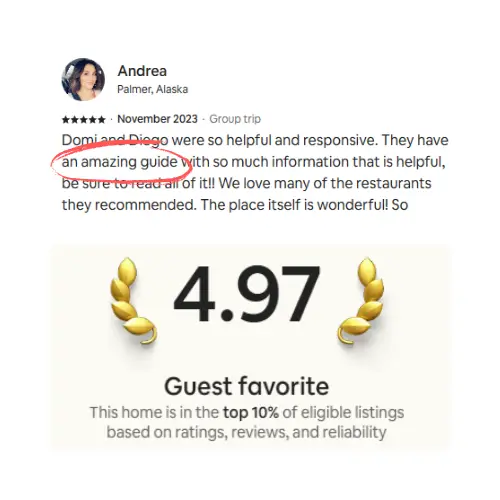
We've seen in our own properties that a well-crafted guide often gets mentioned in reviews. Guests appreciate the extra effort, and that positive feeling translates directly into higher ratings. This aligns with what we see across the industry—hosts who provide detailed welcome information tend to receive more positive reviews, which can lead to higher occupancy and revenue. For more insights on impressing guests, our friends at PriceLabs have some great tips.
Building The Core of Your Guest Book
Think of your guest book as the foundation of the entire guest experience. The core information you put in your Airbnb guest book template is what guests will lean on for a smooth, stress-free stay. It’s all about anticipating their immediate needs from the moment they walk through the door.
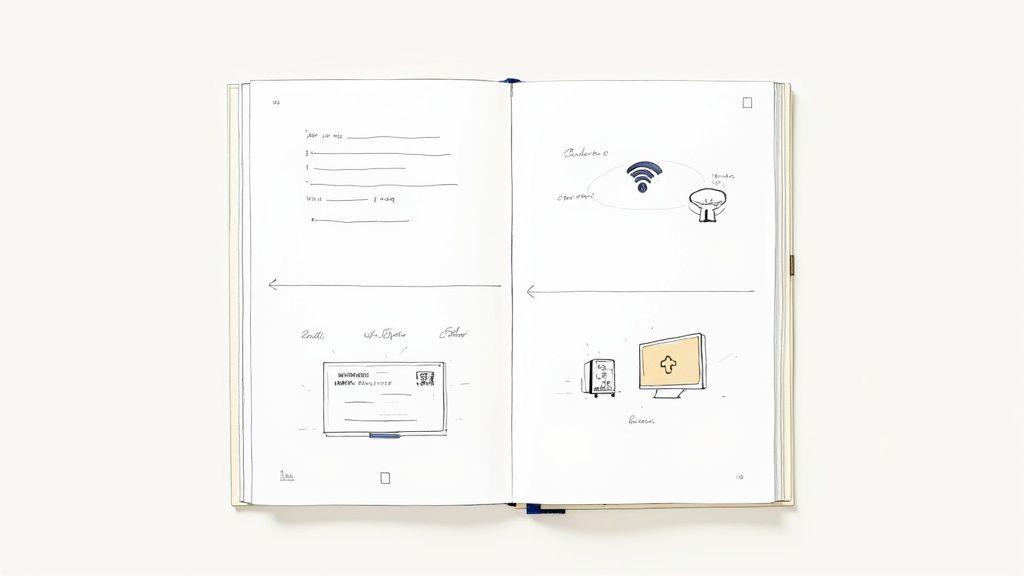
This isn't just a random list of facts. It’s a thoughtfully organized resource designed to make them feel confident and self-sufficient. When you provide clear, easy-to-find answers to the most common questions, you’re not only saving them time but also cutting down on the number of messages you'll have to answer.
The Absolute Essentials
We’ve found over the years that focusing on just a few key areas covers about 80% of guest questions. Get these right, and you're already well on your way to creating a fantastic resource.
Here are the non-negotiables we include in every single guest book, from our place in D.C. to our condos in Tulum:
A Personal Welcome Note: Always start with a warm, genuine welcome. If you can, greet them by name—it’s a small touch that makes a huge difference and sets a friendly, inviting tone for their entire stay.
Wi-Fi Details: Make this the easiest thing to find in the entire book. We always put it right at the top of the first page. Clearly list the network name and password in simple, bold text so nobody can miss it.
Check-In & Check-Out Instructions: Even if they have this info in their booking details, repeat it here. It’s crucial. Include times, key or lockbox instructions, and any specific departure tasks like taking out the trash or starting the dishwasher.
Based on what we've seen, clear check-out instructions are the single best way to ensure a smooth turnover. When guests know exactly what to do, it helps your cleaning crew and gets the property ready for the next arrival without a hitch.
Beyond The Basics
Once you have the essentials locked down, adding a bit more detail is what elevates the guest experience from good to great. These are the things that show you’ve really put thought into their comfort and safety.
For instance, our Tulum condo is in an area with a local emergency number that’s different from 911. Including that detail provides genuine peace of mind. To make sure your guide is truly comprehensive, you can dive deeper into what makes a great guest manual for your vacation rental.
We also highly recommend including:
Emergency Contacts: List local police, fire, and medical numbers, plus your own contact info. Always include the property address at the top of this section so guests can easily relay it in an emergency.
Appliance Guides: Don’t assume everyone knows how to work your smart TV, espresso machine, or fancy thermostat. Simple, step-by-step instructions (with photos, if you can!) will prevent a lot of frustration and panicked texts.
To help you organize everything, we've put together a checklist of what we consider the most important content for any guest book.
Guest Book Content Checklist
This table breaks down the key categories and specific items that will make your guest book a truly valuable resource for your visitors.
Category | What to Include | Pro Tip |
|---|---|---|
Welcome & Basics | Personalized welcome note, Wi-Fi network/password, check-in/out times, key/lockbox codes. | Put the Wi-Fi details right on the first page. It's the first thing most guests will look for. |
Property Info | Address, parking instructions, how to use the thermostat, TV, and other key appliances. | Use QR codes next to appliances that link to short video tutorials. It’s a great touch. |
Safety & Emergency | Your contact info, local emergency numbers (police, fire, hospital), location of the first-aid kit and fire extinguisher. | Include the full property address at the top of this section for easy reference in a crisis. |
House Rules | Quiet hours, policies on smoking/pets, rules for pools or hot tubs, trash and recycling instructions. | Frame rules positively (e.g., "Please help us be good neighbors by keeping noise down after 10 PM"). |
Local Recs | Your favorite coffee shops, restaurants, grocery stores, nearby attractions, and public transport options. | Add a personal touch by sharing why you love a certain spot. "Their morning buns are legendary!" |
Check-Out | Departure checklist (e.g., take out trash, start dishwasher, lock doors), reminder of check-out time. | A clear checklist reduces ambiguity and helps your cleaning team prepare for the next guests more efficiently. |
By covering these bases, you’re not just providing information; you’re crafting a better, more relaxed stay for your guests from start to finish.
How to Write House Rules That Guests Actually Respect
Setting clear boundaries is a must, but there's a fine line between being a responsible host and coming off like a drill sergeant. From what we've seen, the secret to writing house rules that guests actually follow is to frame them positively. Instead of hitting them with a wall of intimidating "don'ts," we explain the "why" behind each rule.
This simple shift turns a demand into a reasonable request. It builds a sense of mutual respect right from the start, which is exactly what you need to protect your property while keeping the vibe warm and welcoming. Think of it as inviting your guests to be partners in caring for your home.
Frame Rules Around Mutual Benefit
The goal here is to help guests see that your rules exist for everyone's benefit—including their own. It's amazing what a small change in wording can do.
For example, a blunt "No loud music after 10 PM" feels restrictive. We've found this approach works much better:
To ensure a peaceful stay for you and our neighbors, we kindly ask that you observe quiet hours from 10 PM to 8 AM. This helps everyone get a great night's sleep.
See the difference? It explains the reason, making the rule feel less like a command and more like a shared community understanding. This strategy works because guests see the logic and consideration behind it, making them far more likely to comply.
Wording That Works for Common Issues
Over the years, we've tweaked and refined our phrasing for all the usual pain points: extra guests, smoking, and pets. By being clear, polite, and direct, you can set firm expectations without sounding confrontational.
Here are a few examples that have consistently worked for us:
For Extra Guests: "Our home is set up to comfortably accommodate the number of guests on your reservation. For safety and comfort, we cannot allow unregistered visitors."
For Smoking: "To keep our home fresh and clean for all future guests, this is a strictly non-smoking property. A significant cleaning fee will be applied if this rule is not followed."
For Pets: "While we love furry friends, we are unable to host pets at this time to accommodate guests with allergies."
When you adopt a positive and explanatory tone in your Airbnb guest book template, you're not just protecting your investment—you're building a better relationship with your guests. For even more specific examples, check out our guide with ready-to-use house rules templates.
Sharing Local Secrets Guests Will Love
This is where your Airbnb guest book template stops being a manual and starts becoming a highlight of your guest's trip. Sharing your own hand-picked list of local spots shows you care about their entire vacation, not just their time spent inside your property. It’s one of the best ways to really stand out.

Anyone can Google "best restaurants near me," but only you can give them that insider scoop. This is your chance to share the hidden gems that make your neighborhood great and help your guests feel like locals instead of tourists.
Go Beyond the Obvious
Instead of just listing popular places, think about the experience your guests are actually looking for. What has worked well for us is organizing recommendations into categories based on a certain mood or need. Guests love it.
For our beach properties in Playa del Carmen and Tulum, we break it down like this:
Our Favorite Spot for Morning Coffee: "This tiny cafe is a five-minute walk away. We love it because the owner, Maria, roasts her own beans, and their cinnamon buns are incredible."
The Best Off-the-Beaten-Path Taco Stand: "It doesn’t look like much, but this is where you'll find the most authentic al pastor tacos. It’s our go-to for a quick, delicious dinner."
A Quiet Beach Perfect for Sunsets: "Skip the crowded main beach and head to this smaller cove. It’s way more peaceful, and the view at golden hour is unbeatable."
Sharing a short, personal reason why you love a place makes the recommendation feel genuine. It's the difference between a generic list and a heartfelt tip from a friend.
The Hidden Benefits of Sharing
Here's something we didn't expect when we first started doing this: recommending local businesses does more than just make for a better trip. It builds a real sense of community and connection. When guests feel like you genuinely care, they tend to treat your property with a lot more respect.
From our experience, this simple act of hospitality can even have a positive impact on the bottom line. Happier guests who feel connected to the community are often more mindful, which can lead to reduced wear and tear over time. It's a win-win that supports local businesses and protects your investment. You can find more insights on how welcome books can impress guests and lead to better stays.
At the end of the day, these are the personal touches guests remember and mention in their reviews. You’re not just providing a place to stay; you’re helping them create memories.
Print vs. Digital: Which Guest Book Format Is Right for You?
Deciding between a classic printed guest book and a modern digital guide really boils down to your property's vibe and your personal hosting style. There’s no single right answer here. What works for our beach condos in Tulum might be totally different from what’s best for a cozy A-frame cabin in the mountains.

A beautiful, hardbound book sitting on the coffee table has a tangible charm you just can't replicate. It feels personal and is immediately accessible to everyone—no tech skills or Wi-Fi needed. Some hosts prefer elegant physical guest book options to capture that traditional, welcoming feel.
But on the flip side, a digital guide offers incredible flexibility. It’s sleek, modern, and easy to update the moment a restaurant recommendation changes or you get a new smart TV.
The Case for Going Digital
In our experience hosting over the years, the benefits of a digital guide often outweigh the nostalgic charm of print, especially as you start to manage more than one property. Digital guides are just more dynamic and can create a much richer, more interactive experience for your guests.
Here’s why we lean toward digital for most of our own properties:
Instant Updates: You can change information on the fly without ever touching a printer. This is a lifesaver when a local cafe suddenly closes or you need to update the Wi-Fi password across multiple properties.
Interactive Elements: Digital formats let you add clickable links. Guests can open a map directly to your favorite taco spot, book a tour you recommended, or watch a quick video tutorial on how to use the fancy espresso machine.
Ultimate Accessibility: Guests get the link before they even arrive, which lets them start planning their trip and get excited in advance. It’s always right there on their phone, so they have key info whether they're lounging at your place or out exploring the town.
We’ve found that sending a digital guide ahead of time cuts down on pre-arrival questions in a big way. Guests feel way more prepared when they can browse everything from check-in details to local recommendations before they even pack their bags.
For hosts looking to make the switch, simple tools like Canva are great for creating a polished PDF. However, we actually built SmoothStay to create a more guest-first experience with customizable, professional guidebooks that don’t require an app. Our AI-powered features even help generate local recommendations, making the process faster while ensuring your content is always fresh.
If you want to dive deeper, we put together a complete breakdown of paper vs digital guest guides that might help you make the final call.
Common Questions About Guest Books
After hosting for over a decade, we've heard just about every question there is about creating the perfect guide. Here are our quick answers to the most common ones we get from fellow hosts, designed to clear up any final uncertainties.
How Often Should I Update My Guest Book?
We make it a habit to do a quick review every quarter, with a more thorough update at least twice a year. Things change faster than you think. Restaurants close, Wi-Fi passwords get updated, and seasonal recommendations definitely need a refresh.
Keeping your information current is what makes your guide genuinely helpful for every guest who walks through your door. An outdated guide is often worse than no guide at all.
Is It Worth Translating My Guide?
If you frequently host international travelers, absolutely. It's a small touch that makes a huge difference.
For a digital guide, you can often use built-in translation features or just link out to a version you've run through a service like Google Translate. If you're using a printed book, translating the most critical sections—like emergency info and house rules—is a thoughtful gesture that goes a long way.
Can a Guest Book Actually Improve My Reviews?
Definitely. We've seen it time and time again in our own properties. It’s one of the clearest signals that you are a professional, caring host who has thought of everything.
A great guest book solves those small problems before they ever become frustrations, making guests feel looked after. That seamless, stress-free experience is precisely what inspires them to leave a glowing 5-star review. For more great resources, explore our free Airbnb welcome book template for additional ideas.
A well-crafted guest book is one of the best investments you can make in your hosting business. It's a simple tool that saves you time, makes your guests feel cared for, and paves the way for those fantastic reviews. You’ve got this!
At SmoothStay, we're here to help you create that standout experience. Built by hosts for hosts, our customizable guidebooks use guest-first features and AI-powered tools to make hospitality simple and scalable. Get started with SmoothStay today.