Vacation Rental Home Tips: Boost Bookings and Delight Guests
Discover 10 vacation rental home tips to boost bookings, streamline hosting, and wow guests today.

Disclosure: Some links in this article are affiliate links. If you make a purchase, we may earn a commission at no extra cost to you. This helps support our content.
Welcome, fellow hosts. We've been in your shoes for over a decade, managing everything from our family's 4-bedroom house in Washington, D.C., to a few of our own beach properties in the Riviera Maya. We've learned firsthand what separates a good stay from a great one, and this guide is a collection of the practical, real-world vacation rental home tips that have genuinely worked for us.
This isn't about theory. It's about sharing the specific strategies we've used to solve common challenges, reduce our own workload, and consistently earn five-star reviews. We’ll skip the generic advice you’ve read before and focus on the actionable insights that help you streamline operations, improve guest communication, and build a more resilient hosting business.
Throughout this guide, you will discover how to:
Automate guest support to free up your time while improving responsiveness.
Personalize the guest experience at scale using smart, modern tools.
Craft compelling property listings and local guides with greater efficiency.
Systematically collect and act on feedback to drive continuous improvement.
Think of this as a blueprint built from our own experiences, designed to help you thrive. Let's dive into the tips that can make a real difference for your properties.
1. Create a Comprehensive Digital Guidebook to Reduce Repetitive Guest Questions
One of the most impactful changes we ever made was switching from physical binders to a comprehensive digital guidebook. This single tool becomes the go-to resource for everything a guest needs, from the Wi-Fi password to our favorite local taco spot. The goal is simple: answer questions before they're even asked, cutting down on the constant messaging that can interrupt your day.
A great digital guidebook is mobile-friendly and accessible with a simple link—no app download needed. In our experience, providing a well-structured digital guide has cut down on repetitive questions by as much as 80%. That’s time we get back to focus on more meaningful guest interactions or simply manage our properties more smoothly.
How to Implement This Tip:
Structure for Clarity: Organize your guidebook into intuitive sections: "Arrival & Access," "Home & Amenities," "Local Recommendations," and "Checkout." Use clear headings and photos, especially for appliance instructions.
Deploy QR Codes: Place QR codes linked to your guidebook in high-traffic areas. We put one on the back of the front door, another on the kitchen counter, and one on the primary bedroom’s nightstand.
Automate Delivery: Include the guidebook link in your automated booking confirmation and pre-arrival messages. A simple "Access our complete home guide here" gives guests all the information they need upfront.
Keep it Current: A digital format makes updates easy. We refresh our restaurant recommendations seasonally and ensure all emergency contact information is current—a huge advantage over static, printed binders.
By providing this resource, you empower guests with self-service information, which not only saves you time but also boosts their confidence and satisfaction. As you can learn more about how digital guidebooks elevate the guest experience, they are a foundational tool for any host aiming for five-star reviews.
2. Implement AI-Powered Chatbots for 24/7 Instant Guest Support
When you're managing multiple properties, an AI-powered chatbot can be a game-changer. Think of it as your first line of defense for guest communication, providing instant, 24/7 answers to common questions. A guest arriving late at night doesn't have to wait until morning for the Wi-Fi password, and you don't have to be woken up to provide it.
Modern AI chatbots can do more than just recite facts; they can understand conversational context and offer personalized local suggestions. Based on what we've seen, a well-trained chatbot can handle up to 60% of routine guest messages automatically. This frees us up to focus on the more complex or urgent guest needs that require a personal touch, ensuring a higher standard of service without increasing our workload.
How to Implement This Tip:
Train Your Bot: Before launching, feed your chatbot comprehensive information from your digital guidebook, listing details, house rules, and a list of frequently asked questions.
Set Clear Escalation Paths: Define what the chatbot can handle versus when it needs to loop in a human. For example, it can answer "What's the Wi-Fi password?" but should escalate "The air conditioning is not working."
Monitor and Refine: Regularly review chatbot conversations to see where it struggles. If guests repeatedly ask a question the bot can't answer, add that information to its knowledge base to improve its performance over time.
Integrate Seamlessly: Combine your chatbot with your digital guidebook. The bot can direct guests to specific sections of the guide for more detailed information, creating a cohesive self-service experience.
By providing instant, round-the-clock support, you significantly enhance the guest experience. For hosts looking to scale their operations efficiently, a vacation rental chatbot is no longer a luxury but an essential tool for providing five-star service.
3. Leverage AI Content Generation to Quickly Write Property Descriptions and Local Guides
Crafting compelling property descriptions and detailed local guides is one of the most time-consuming parts of being a host. We’ve found that using AI-powered copywriting assistants is a game-changing vacation rental home tip, turning hours of writing into minutes. These tools can generate engaging, SEO-optimized content that highlights your property’s best features and attracts more bookings.
An AI assistant helps create a consistent, high-quality voice across all your listings. For hosts managing multiple properties, this technology is invaluable for automating content creation while still allowing for personalization. We’ve used it to draft everything from captivating listing headlines to in-depth guides, and the results are consistently professional and effective.
How to Implement This Tip:
Start with AI, Finish with You: Use AI to generate a strong first draft. Then, infuse it with your personal voice and specific details that only you would know. This combination of AI efficiency and human touch creates authentic content.
Optimize for Local SEO: Prompt the AI to include local keywords. For example, instead of "near the beach," ask for copy that includes "just a five-minute walk to the serene sands of South Beach." This helps your listing rank higher in local searches. When deciding on your content strategy, weighing the AI vs. human book translation: pros and cons can help you choose the most effective method for crafting engaging property descriptions and local guides.
Regenerate and Refresh: Keep your listing dynamic by using AI to generate fresh descriptions seasonally. Highlight the "cozy fireplace for winter getaways" or the "lush garden perfect for summer evenings" to appeal to in-season travelers.
Test and Iterate: Create several versions of your headlines and descriptions with AI to see which ones perform best. A/B testing different copy is a powerful way to understand what resonates with potential guests.
4. Utilize Guest Engagement Analytics to Understand and Improve Guest Experience
One of the most powerful ways to scale your business is to stop guessing and start measuring. By tracking guest engagement analytics, you can understand exactly how guests interact with the information you provide. This data-driven approach reveals what’s working and where guests need more clarity, allowing you to make targeted improvements based on actual behavior.
Tools that offer engagement analytics show you which sections of your guidebook guests view most and when. For instance, we discovered that over 90% of our guests were accessing Wi-Fi instructions within an hour of check-in, but engagement with our checkout procedures was low. This insight prompted us to add a short video to the Wi-Fi section and send an automated checkout reminder with a direct link, which significantly improved compliance and reduced last-minute questions.
How to Implement This Tip:
Review High-Traffic Sections: Identify the most frequently viewed parts of your guidebook, like "Wi-Fi" or "Appliance Guides." Make sure this content is exceptionally clear and easy to follow.
Analyze Low-Engagement Content: Investigate sections that get little traffic. If your "Local Gems" section is ignored, maybe the recommendations aren't compelling or the section is hard to find. Test different titles or content to see what resonates.
Combine Analytics with Feedback: Cross-reference your data with guest reviews. If you see high engagement on the "Hot Tub Rules" page but get negative feedback about its cleanliness, it signals a gap between your instructions and the guest's actual experience.
Optimize Information Timing: Use analytics to understand when guests need certain information. If check-out instructions are only viewed on the last day, schedule an automated message with a direct link the evening before departure to ensure they see it.
By leveraging analytics, you turn your guest communication from a static resource into a dynamic tool for continuous improvement. As you can learn more about using short-term rental analytics to refine your strategy, this data empowers you to proactively enhance the guest experience.
5. Implement Multi-Language Support to Attract International Guests and Increase Bookings
Expanding your reach beyond English-speaking travelers is a practical way to grow your business. By offering key property information in multiple languages, you remove a significant barrier for international guests, making your listing more accessible and appealing. This simple act of hospitality shows you're prepared for a global audience, which can lead to more bookings.
From our experience managing properties in tourist destinations like the Riviera Maya, we've seen how much multi-language support matters. An international guest who can easily understand check-in instructions or Wi-Fi details in their native language feels more confident and cared for. This often leads to better reviews and a stronger reputation on global booking platforms.
How to Implement This Tip:
Prioritize Key Languages: Start by identifying where your visitors come from using your booking platform’s analytics. Focus your translation efforts on the top languages first, such as German, French, or Spanish.
Translate High-Impact Content: You don’t need to translate everything at once. Begin with the most critical information: your welcome message, check-in instructions, Wi-Fi access, and emergency contacts.
Use a Capable Tool: Manually managing translations isn't practical. A digital guidebook with built-in, high-quality translation is essential. For example, SmoothStay’s automatic translation feature supports over 100 languages, allowing guests to select their preferred language with a single click.
Add Cultural Context: Go beyond direct translation. When creating local recommendations, add small cultural notes, like explaining local tipping customs. This extra detail shows thoughtful hospitality.
By making your property accessible to a wider audience, you not only increase your booking potential but also foster a more welcoming environment that guests will remember.
6. Optimize Check-In Experience with Clear Instructions and Time-Based Access Controls
A guest’s first impression is often formed during check-in, and a confusing arrival can start their stay on a negative note. A critical vacation rental home tip is to streamline this experience with crystal-clear instructions and smart access controls. Moving away from confusing lockboxes creates a seamless, secure, and modern arrival that guests appreciate.
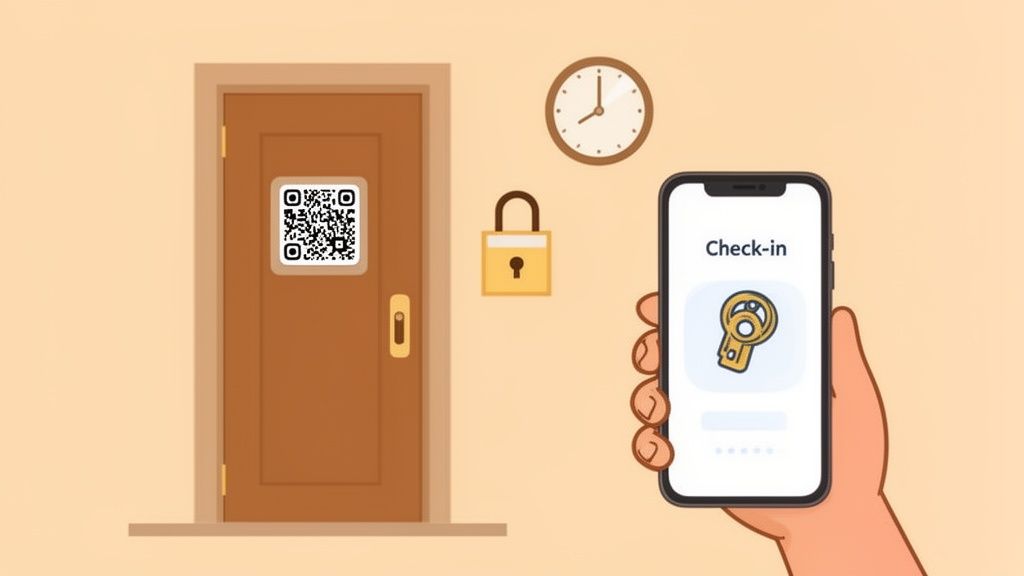
The best approach we've found combines smart locks with a digital guidebook that provides step-by-step instructions. Time-based access controls for your digital guide also mean you can grant access to check-in details only for the duration of the guest's stay. This protects your property's privacy and prevents unauthorized early arrivals or late check-outs. It’s a professional touch that boosts security and guest confidence.
How to Implement This Tip:
Create a Dedicated Arrival Section: In your digital guidebook, build a specific section titled "Guest Arrival." Include the full address, a map pin, parking details, and any gate codes.
Use Visual Instructions: Don't just describe how to use the smart lock; show it. Include clear photos or a short video demonstrating how to enter the code. This is especially helpful for guests who aren't tech-savvy.
Automate and Time the Delivery: Schedule an automated message to send the link to your guidebook's arrival section 24 to 48 hours before check-in. This gives guests ample time to review the instructions.
Provide a Backup Plan: Technology can sometimes fail. Always include a reliable backup phone number—either yours or a local contact—directly in the arrival instructions in case a guest has trouble.
By optimizing the check-in process, you eliminate a major point of friction for travelers. This thoughtful, secure approach sets the stage for a five-star review from the moment your guests arrive.
7. Build a Comprehensive Local Recommendations Strategy with AI-Curated Content
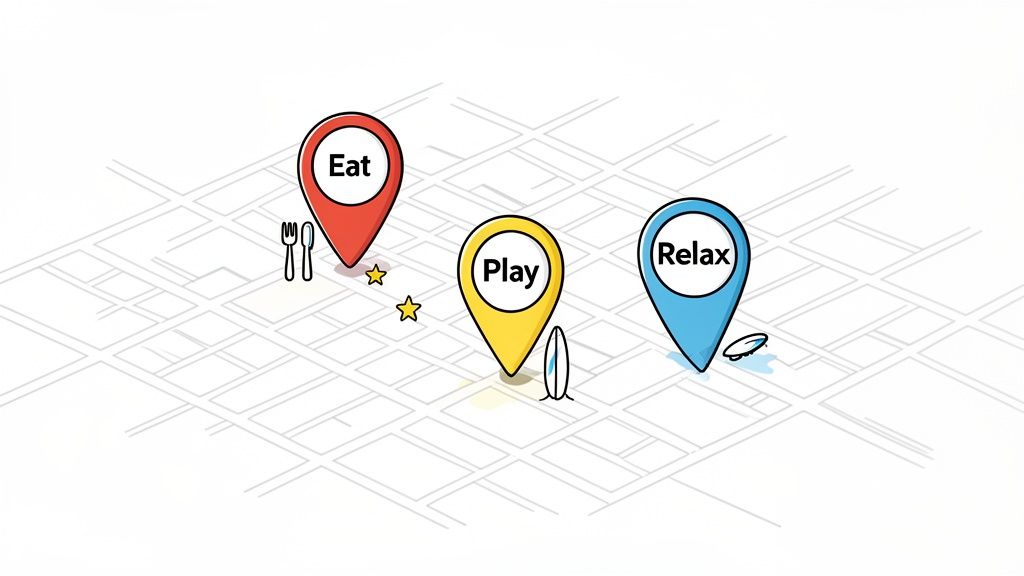
Generic, outdated recommendations are a missed opportunity. One of the most effective vacation rental home tips is to build a dynamic local recommendations strategy. You can provide personalized suggestions for dining and attractions that genuinely align with your guests' interests, making them feel like well-cared-for insiders. This elevates their experience from a simple stay to a curated local adventure.
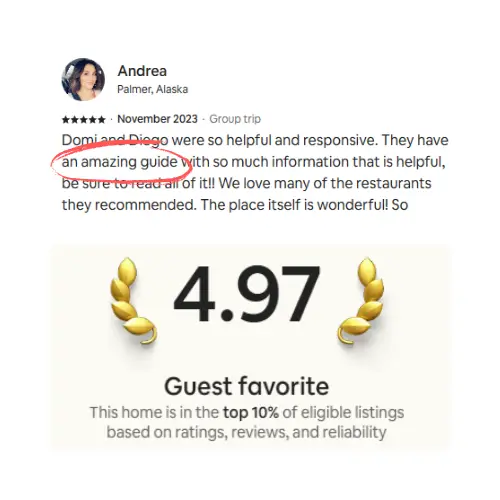
A thoughtful local guide is a common theme in our five-star reviews. For our luxury rentals, we might curate a guide to fine dining, while our beach properties feature the best water sports and hidden beach clubs. This approach shows you care about their entire trip, not just their time inside your property.
How to Implement This Tip:
Create Guest Personas: Develop different recommendation sets for various guest types. Create curated lists for "Family Fun," "Romantic Date Nights," "Budget-Friendly Eats," and "Outdoor Adventures."
Add a Personal Touch: Authenticity builds connection. Add personal notes like, "This is our go-to spot for breakfast tacos," or, "Ask for a table on the patio for the best sunset view."
Incorporate Practical Details: Include helpful information like price ranges ($, $$, $$$), reservation links, and typical travel times from your property to help guests plan with confidence.
Gather Guest Feedback: Ask departing guests which recommendations they tried and what they thought. Use this feedback to refine your suggestions and discover new local gems.
By transforming your local guide from a static list into a dynamic, personalized resource, you provide immense value that encourages repeat bookings and referrals.
8. Create Branded, Custom-URL Guidebooks to Build Property Identity and Trust
To elevate your property from a simple listing to a recognizable brand, consider using a branded, custom-URL digital guidebook. A URL like TheLookoutCabin.com or CasaBuenaVida.guide instantly establishes a professional identity. This approach builds brand recognition and increases guest trust by showing a higher level of care and investment.
In our own properties, we’ve found that a custom guidebook with a unique URL, logo, and color scheme makes guests feel like they are staying with a boutique brand. This attention to detail helps convert one-time visitors into loyal customers who are more likely to book directly and recommend your property to others.
How to Implement This Tip:
Choose a Memorable URL: Keep your custom URL short, simple, and easy to remember. Think
YourPropertyName.comor a similar intuitive variation.Match Your Property’s Aesthetic: Use your guidebook’s customization features to match its color scheme and fonts to your property's decor for a cohesive experience.
Incorporate Your Logo: Place your property logo or a stylized name prominently in the header of the guidebook to reinforce your brand identity.
Promote Your Guidebook URL: Print your custom URL on welcome cards, keychains, and fridge magnets. Include it in your listing descriptions to showcase your professionalism.
By creating a branded hub for your property, you're not just providing information; you're building a brand. This enhanced presentation works hand-in-hand with other visual elements, like investing in professional real estate photography to complete your property’s premium identity.
9. Implement Dynamic Content Using Smart Tags for Personalized Guest Experiences
One of the most effective ways to elevate the guest experience is to deliver information that feels uniquely tailored to each visitor. We do this by implementing dynamic content using smart tags. Instead of showing every guest the same generic information, this technology automatically customizes what they see based on their reservation details, such as their travel dates or if they booked with a pet.
This approach ensures guests receive only relevant information, which reduces clutter and increases their engagement. For example, a family arriving in December automatically sees instructions for the ski-lockers and winter activities, while a couple visiting in July sees details about the air conditioning and local summer festivals. This level of personalization makes guests feel truly cared for.
How to Implement This Tip:
Start with Simple Tags: Begin with tags for broad categories like "season" or "guest count." For example, create content that only appears during winter months (e.g., fireplace instructions).
Show, Don't Hide: Use smart tags to display specific rules or amenities that apply only to certain guests. If a guest books with a pet, your guidebook can automatically show them your pet policy and a list of local dog parks.
Test Every Combination: Before going live, thoroughly test each rule you create. Check what a guest with a pet sees in the summer versus what a couple sees in the winter to ensure the right content appears every time.
Audit Your Content Seasonally: Just as you update your decor, make a habit of reviewing your dynamic content. Remove outdated festival recommendations once the season passes to keep your guidebook fresh.
By using smart tags, you create a responsive, intelligent resource that anticipates guest needs. This is a core feature in platforms like SmoothStay, where dynamic content helps hosts deliver a bespoke experience that leads to better reviews.
10. Collect and Leverage Guest Feedback Systematically to Drive Continuous Improvement
Long-term success comes from listening. One of the best vacation rental home tips is to stop guessing what guests want and start asking them directly. Systematically collecting feedback provides actionable insights that reviews alone often miss. By integrating a simple feedback mechanism, you can identify minor issues before they become negative reviews.
We’ve found that proactively asking for input makes guests feel valued. A short, private survey can tell you that the Wi-Fi is spotty in the master bedroom or that the kitchen needs a better can opener. These are small fixes that significantly improve the stay for future guests. This creates a cycle of improvement, where each piece of feedback helps refine your property and operations.
How to Implement This Tip:
Keep Surveys Short and Specific: For higher completion rates, limit surveys to 3-5 questions. Ask about specific experiences like, "How was your check-in?" or "Did the Wi-Fi meet your needs?"
Time Your Feedback Requests: We send a brief, automated message mid-stay asking if everything is going well. This gives us a chance to solve problems in real-time. We then ask for more detailed feedback upon departure.
Integrate into Your Guidebook: A great place to ask for feedback is within your digital guidebook. A simple link to a survey form can capture insights while guests are most engaged.
Create an Action Plan: Don't let feedback sit in a spreadsheet. Review it regularly to identify recurring themes. If multiple guests mention a lack of coffee pods, that's a clear signal to increase your stock.
By treating guest feedback as valuable data, you shift from a reactive to a proactive hosting model, allowing you to make meaningful improvements that enhance the guest experience.
10-Point Vacation Rental Tips Comparison
Solution | 🔄 Implementation complexity | 💡 Resource requirements | 📊 Expected outcomes | Ideal use cases | ⭐ Key advantages |
|---|---|---|---|---|---|
Create a Comprehensive Digital Guidebook to Reduce Repetitive Guest Questions | 🔄 Medium — initial content build and ongoing updates | 💡 Low–Medium — content creation, QR/hosting, occasional translations | 📊 Large reduction in repetitive inquiries (up to ~80%); better guest self-service | Self-managing hosts, small portfolios, international guests | ⭐ Instant access; branded touchpoint; ⚡ reduces support workload |
Implement AI-Powered Chatbots for 24/7 Instant Guest Support | 🔄 High — training, integrations, escalation workflows | 💡 Medium–High — AI service, integration, monitoring, training data | 📊 Near-instant responses 24/7; lower labor costs; improved response metrics | Large portfolios, 24/7 coverage needs, high-volume messaging | ⭐ 24/7 scalability; handles simultaneous conversations; gathers FAQ data |
Leverage AI Content Generation to Quickly Write Property Descriptions and Local Guides | 🔄 Low–Medium — template use plus human editing | 💡 Low — AI subscription, editor time for customization | 📊 Faster content creation; improved SEO; higher booking conversions | Hosts with many listings, frequent updates, marketing-focused owners | ⭐ Saves time; consistent voice; SEO-optimized outputs |
Utilize Guest Engagement Analytics to Understand and Improve Guest Experience | 🔄 Medium–High — analytics setup and interpretation | 💡 Medium — analytics platform, analyst time, data integrations | 📊 Actionable insights on content use; prioritizes improvements; measures ROI | Data-driven managers, portfolio optimization, frequent content testing | ⭐ Reveals real guest behavior; enables data-driven decisions |
Implement Multi-Language Support to Attract International Guests and Increase Bookings | 🔄 Medium — translation and quality-control workflows | 💡 Medium — translation tools, native review, content management | 📊 Increased international bookings and satisfaction; fewer language-related inquiries | Properties targeting international markets or diverse guests | ⭐ Expands addressable market; improves inclusivity and reviews |
Optimize Check-In Experience with Clear Instructions and Time-Based Access Controls | 🔄 Medium — coordinate smart locks and timed access | 💡 Medium — smart lock integrations, content with photos/videos | 📊 Fewer check-in complications; improved first impressions and ratings | Urban/smart-lock properties, high-turnover listings | ⭐ Frictionless entry; improved security and audit trail |
Build a Comprehensive Local Recommendations Strategy with AI-Curated Content | 🔄 Medium — curation, data integrations, ongoing updates | 💡 Medium — local data sources, AI curation, maintenance | 📊 Higher guest satisfaction and review mentions; differentiated listing | Experience-driven properties, luxury or local-immersive stays | ⭐ Personalized local experiences; drives positive reviews and referrals |
Create Branded, Custom-URL Guidebooks to Build Property Identity and Trust | 🔄 Medium — domain/branding setup and consistency checks | 💡 Low–Medium — domain/subdomain, design time, minor costs | 📊 Stronger brand perception; better recall; increased repeat bookings | Boutique hotels, multi-property brands, professional managers | ⭐ Professional, memorable presentation; builds trust and repeat business |
Implement Dynamic Content Using Smart Tags for Personalized Guest Experiences | 🔄 High — conditional logic, testing across scenarios | 💡 Medium–High — platform capability, tagging strategy, QA | 📊 Higher engagement through relevance; fewer irrelevant queries | Complex portfolios, segmented guest groups (families, pets, seasons) | ⭐ Deep personalization; reduces information overload and increases relevance |
Collect and Leverage Guest Feedback Systematically to Drive Continuous Improvement | 🔄 Low–Medium — survey integration and response workflows | 💡 Low–Medium — survey tools, analysis, operational follow-up | 📊 Early detection of issues; prioritized improvements; measurable trends | Hosts focused on continuous improvement and operational decisions | ⭐ Actionable guest insights; helps prioritize updates and repairs |
Your Next Step Towards Smarter Hosting
Being a great host is about the cumulative power of thoughtful, strategic improvements. The vacation rental home tips we've shared here are a blueprint for building a more resilient, efficient, and guest-centric business. These are the practical, experience-driven tactics we've refined over years of hosting, and they work.
The common thread is a commitment to proactive hospitality. Instead of reacting to problems, you begin to anticipate them. Instead of answering the same questions repeatedly, you empower guests with information before they even ask. This shift from reactive to proactive management is the single most impactful change you can make to reclaim your time and elevate the guest experience.
Key Takeaways for Immediate Impact
If you’re wondering where to begin, focus on what will deliver the most return on your effort. Choose one or two of these high-impact strategies to implement first:
Automate Information, Personalize Interaction: Your most powerful first step is to centralize all essential information into a digital guidebook. This single action addresses the most common guest friction points, from finding the Wi-Fi password to operating the coffee machine. By automating routine information, you free yourself up for genuine interactions that make a stay memorable.
Embrace Smart Technology: The strategic use of AI and automation is no longer a luxury. Tools like AI-powered chatbots for instant responses or content generators for polished listings level the playing field, acting as your 24/7 digital assistant.
Systematize Your Operations: Peace of mind comes from systems, not just effort. Whether it's a structured process for collecting guest feedback or a standardized pre-arrival communication sequence, systems create predictability. This ensures every guest receives the same high standard of care.
Building Your Hosting Legacy
Implementing these tips does more than just earn you better reviews. It moves you from being a property manager to becoming a true hospitality professional, curating experiences that guests remember and recommend. Each improvement, from a personalized welcome message to a curated list of local recommendations, adds a layer of care that sets you apart.
The goal is to build a business that is not only profitable but also sustainable and enjoyable to run. By investing in smart systems and guest-centric solutions, you create a positive feedback loop: delighted guests leave glowing reviews, which attract more bookings. Your journey towards smarter hosting starts now.
Ready to implement the most powerful vacation rental home tips with ease? SmoothStay was built by hosts, for hosts, to help you create beautiful, AI-powered digital guidebooks that delight your guests and save you hours. With guest-first features, customizable designs, and fair, scalable pricing, you can transform your guest communication. Explore what you can build at SmoothStay.