The 12 Best Alternatives to Airbnb for Hosts in 2024
Diversifying your listings? Explore our host-tested guide to the top alternatives to Airbnb, from Vrbo to niche sites, to maximize your bookings and income.

Disclosure: Some links in this article are affiliate links. If you make a purchase, we may earn a commission at no extra cost to you. This helps support our content.
While Airbnb often feels like the default platform for short-term rentals, relying on a single booking channel can limit your reach and leave you vulnerable to algorithm changes or policy shifts. As hosts ourselves for over a decade—managing everything from our own home in Washington, D.C. to beach properties in the Riviera Maya—we learned early on that diversification is key to building a resilient and profitable rental business. Exploring alternatives to Airbnb isn't just about finding a backup; it's about connecting with different guest demographics, accessing new markets, and finding a platform whose business model and fee structure better align with your specific goals.
This guide is designed to be a practical resource for hosts looking to expand their online presence. We'll move beyond the obvious names and dive into the details that matter most: host commission fees, guest targeting, booking models, and unique features. Each entry provides a clear breakdown, including pros and cons from a host's perspective, so you can make an informed decision about where to list your property. To ensure your property stands out on any platform, leveraging advanced tools like AI photo editing software for real estate can significantly enhance your listing's visual appeal, capturing the attention of potential guests instantly.
Whether you manage a single room, a portfolio of luxury villas, or a unique glamping site, the right platform can transform your operations. Below, you'll find a detailed analysis of the top Airbnb alternatives, complete with direct links and actionable advice for getting started.
1. Vrbo
One of the original vacation rental platforms, Vrbo (Vacation Rentals by Owner) remains one of the strongest alternatives to Airbnb, particularly for hosts managing entire homes. Its long-standing reputation attracts a specific traveler demographic: families and larger groups seeking private, spacious accommodations in traditional vacation destinations like beach towns and mountain resorts. Unlike Airbnb's eclectic mix of shared rooms and unique stays, Vrbo’s focus on whole-home rentals simplifies its value proposition for both guests and hosts. This specialization means you’re often competing with similar property types, attracting guests who are already primed for what you offer.
Key Details for Hosts
Host Fees: Vrbo offers two models. You can choose a subscription model of $499 per year or a pay-per-booking model, which typically consists of a 5% commission and a 3% payment processing fee. The subscription can be more cost-effective if you anticipate high booking volume.
Target Guests: Primarily families and groups in the U.S. looking for multi-bedroom homes for classic leisure travel.
Best For: Hosts with entire homes, condos, or cabins, especially larger properties with multiple bedrooms in established vacation markets.
Pros: Access to a high-value traveler base that often books longer, more expensive stays. Strong brand recognition and trust, especially in North America.
Cons: Less visibility for unique or urban properties compared to Airbnb. The guest pool can feel less diverse.
Platform Link: https://www.vrbo.com/
Practical Tips for Hosts
When listing on Vrbo, it's crucial to optimize for family-friendly amenities in your descriptions and photos. High-quality images of kitchens, living areas, and outdoor spaces perform exceptionally well. For a deeper dive into how the platform stacks up for property owners, our guide comparing Vrbo vs. Airbnb for hosts covers the nuances of fee structures and audience differences in more detail. In our experience, since Vrbo guests often plan trips well in advance, syncing your calendar with other platforms is non-negotiable to prevent double bookings.
2. Booking.com (Apartments, Homes & Vacation Rentals)
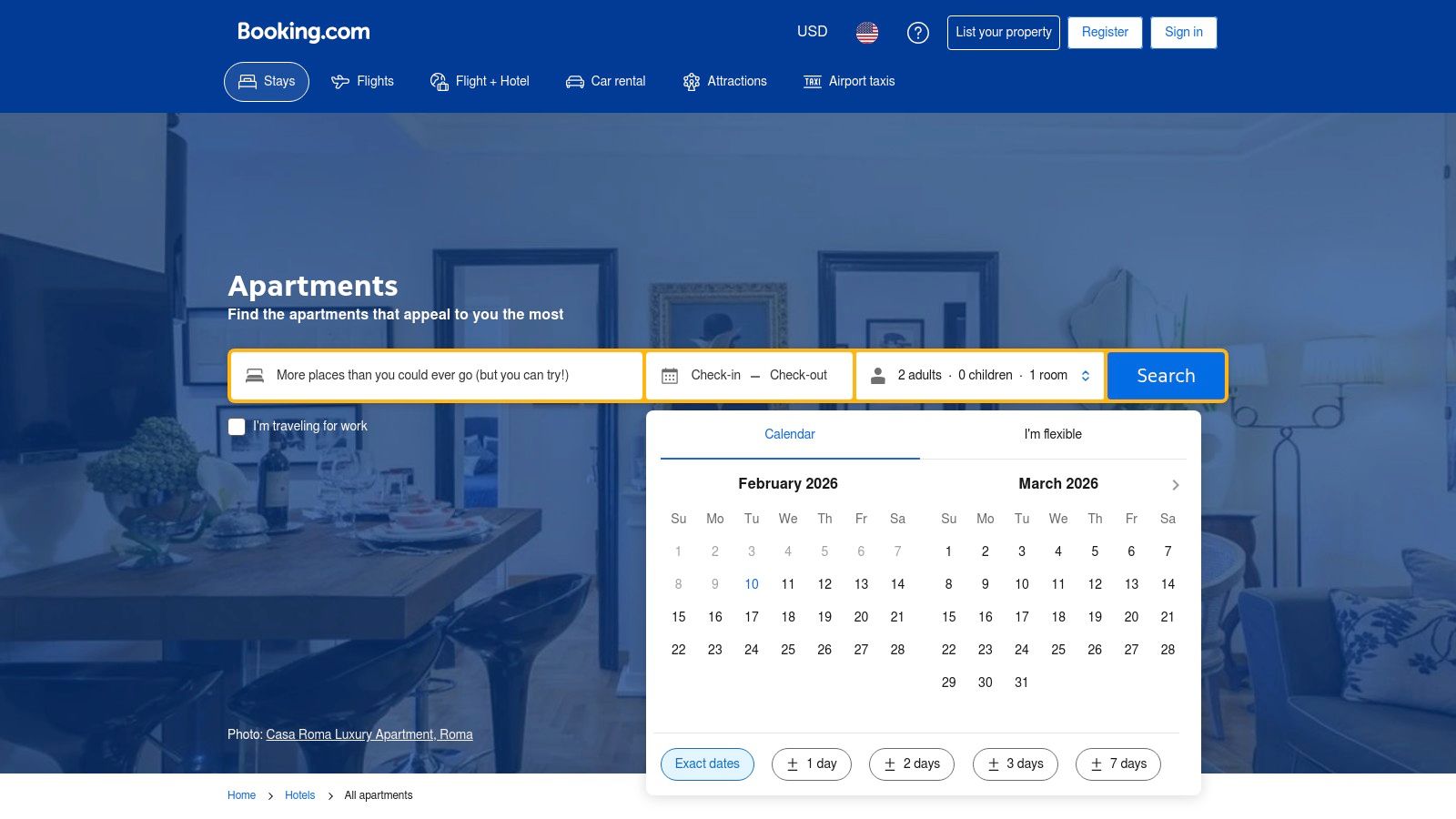
Originally known for hotels, Booking.com has become a dominant force in the vacation rental space and a powerful alternative to Airbnb. Its massive global reach exposes your property to an unparalleled audience of travelers, many of whom are already loyal to the platform for their business and leisure trips. Unlike niche platforms, Booking.com attracts guests who might not have considered a vacation rental but are drawn in by the platform’s seamless comparison of apartments, homes, and hotels. This provides a unique opportunity to capture bookings from a broad, international traveler base.
Key Details for Hosts
Host Fees: A commission-based model, typically starting at 15% of the booking total. This rate can vary based on your property’s location and type, and whether you opt into programs like their Genius loyalty discounts.
Target Guests: A vast and diverse global audience, including business travelers, international tourists, and last-minute bookers accustomed to the instant-book hotel model.
Best For: Hosts in urban and major tourist destinations who want to maximize visibility and are comfortable with a high volume of instant bookings. Property managers with multiple listings benefit greatly from its reach.
Pros: Enormous global audience and marketing power. The platform's "Genius" loyalty program can drive repeat bookings from high-value guests.
Cons: Higher commission fees compared to other platforms. The platform's policies and customer service can feel more hotel-centric, which sometimes creates challenges for individual hosts.
Platform Link: https://www.booking.com/apartments/
Practical Tips for Hosts
Success on Booking.com requires treating your rental with the efficiency of a hotel. Since most bookings are instant, your calendar must be perfectly synchronized across all channels to avoid costly double bookings. This is where using a dedicated vacation rental channel manager becomes absolutely essential for multi-platform hosts. Furthermore, we've found it helpful to lean into the platform's structure by offering clear, tiered pricing with different cancellation policies. High-quality photos and a detailed list of amenities are critical to compete effectively against the professional hotel listings you’ll be alongside.
3. Homes & Villas by Marriott Bonvoy
Marriott’s entry into the vacation rental space, Homes & Villas, serves as a powerful alternative to Airbnb for hosts with premium or luxury properties. This platform isn't an open marketplace; instead, it partners exclusively with professional property management companies to offer a curated collection of high-end homes. This model provides hosts with access to a valuable audience: millions of Marriott Bonvoy loyalty members who can earn and redeem points on stays, often seeking the same quality and reliability they expect from the Marriott hotel brands. For property managers, getting listed here is a mark of quality and a direct channel to affluent travelers.
Key Details for Hosts
Host Fees: Varies significantly, as hosts must work through one of Marriott’s approved property management partners. These partners charge their own management fees, which include the commission paid to Marriott. Direct listing is not available.
Target Guests: Loyal Marriott Bonvoy members, corporate travelers, and affluent families who prioritize brand trust, consistency, and the ability to earn loyalty points.
Best For: Professional property management companies with portfolios of high-end or luxury homes that meet Marriott's strict brand and safety standards.
Pros: Access to a high-spending, loyal customer base. Association with a prestigious global travel brand adds credibility to your listings.
Cons: Extremely high barrier to entry; individual hosts cannot list directly. Less control over your listing as it’s managed by a third-party partner.
Platform Link: https://homes-and-villas.marriott.com/
Practical Tips for Hosts
If you believe your property qualifies, the first step is to connect with one of Marriott’s vetted property management partners in your region. These platforms specifically cater to travelers seeking exquisite offerings of luxury vacation homes, providing a curated selection of high-end properties. Success on this platform depends entirely on meeting rigorous standards for design, amenities, and professional service. Ensure your property is impeccably maintained and professionally photographed to even be considered by a management partner.
4. Plum Guide
Positioned as the "Michelin Guide for homes," Plum Guide is an elite, curated platform that serves as a high-end alternative to Airbnb. It’s not a marketplace for everyone; properties must pass a rigorous, multi-stage vetting process called the “Plum Test,” with only a small fraction accepted. This exclusivity attracts discerning travelers willing to pay a premium for guaranteed quality, impeccable design, and a stay free of unpleasant surprises. For hosts with exceptional, design-forward properties, being featured on Plum Guide is a prestigious badge of quality that commands higher nightly rates.

Key Details for Hosts
Host Fees: Plum Guide's commission fee is 16.5% per booking. While this is higher than many other platforms, it covers the cost of their intensive vetting, professional copywriting, and access to an affluent guest audience.
Target Guests: Affluent travelers, design enthusiasts, and special occasion planners (anniversaries, milestone birthdays) seeking exceptional, reliable quality.
Best For: Hosts with stylish, impeccably maintained homes in prime urban or leisure destinations who can meet high standards of design, comfort, and hospitality.
Pros: Access to a premium guest market that respects properties and is less price-sensitive. The platform's strong brand halo adds credibility to your listing.
Cons: An extremely selective and demanding application process. Limited inventory means less traffic than major OTAs, and the high commission cuts into margins.
Platform Link: https://www.plumguide.com/
Practical Tips for Hosts
To even be considered for Plum Guide, your property must be photo-ready year-round, showcasing unique architectural details or high-end interior design. During the application, be prepared to provide extensive details and potentially host an in-person reviewer. For accepted hosts, communicating the unique character of your home is key. Detailing your property's special features and local recommendations in an electronic guidebook complements the high-touch experience Plum Guide guests expect, ensuring their stay lives up to the platform's promise.
5. Vacasa
Unlike marketplace-style alternatives to Airbnb, Vacasa operates as a large-scale, professional vacation rental manager with its own direct booking platform. It offers guests a consistent, hotel-like standard across all its properties, from professional cleaning to 24/7 support. For hosts, Vacasa represents a full-service management solution rather than just a listing site. Handing over your property to Vacasa means they handle everything: marketing, booking, guest communication, cleaning, and maintenance, in exchange for a significant commission. This makes it a hands-off option for property owners who want passive income without the daily operational work.
Key Details for Hosts
Host Fees: Vacasa's model is full-service management, so fees are structured as a commission or revenue share. This varies significantly based on property location, size, and market demand, but expect it to be much higher than a standard OTA commission.
Target Guests: Travelers who prioritize consistency, professional service, and the reliability of a branded experience, similar to what they would expect from a hotel chain.
Best For: Property owners seeking a completely hands-off management solution who are willing to trade a larger portion of their revenue for zero operational involvement.
Pros: Entirely passive income for owners. High, consistent standards for cleaning and guest service can lead to excellent reviews. Strong presence in major U.S. vacation markets.
Cons: High management fees significantly cut into host revenue. Loss of control over pricing, guest communication, and property rules. Your property is part of the Vacasa brand, not your own.
Platform Link: https://www.vacasa.com/
Practical Tips for Hosts
If you choose to partner with Vacasa, think of yourself as an investor rather than a host. It's crucial to thoroughly vet their local team and understand their specific management agreement, fee structure, and performance projections for your property before signing on. Since you lose direct control over the guest experience, you won't be able to implement personal touches or use tools like a custom digital guidebook. The Vacasa app and their provided materials will handle all guest-facing information, creating a standardized but impersonal stay.
6. Evolve
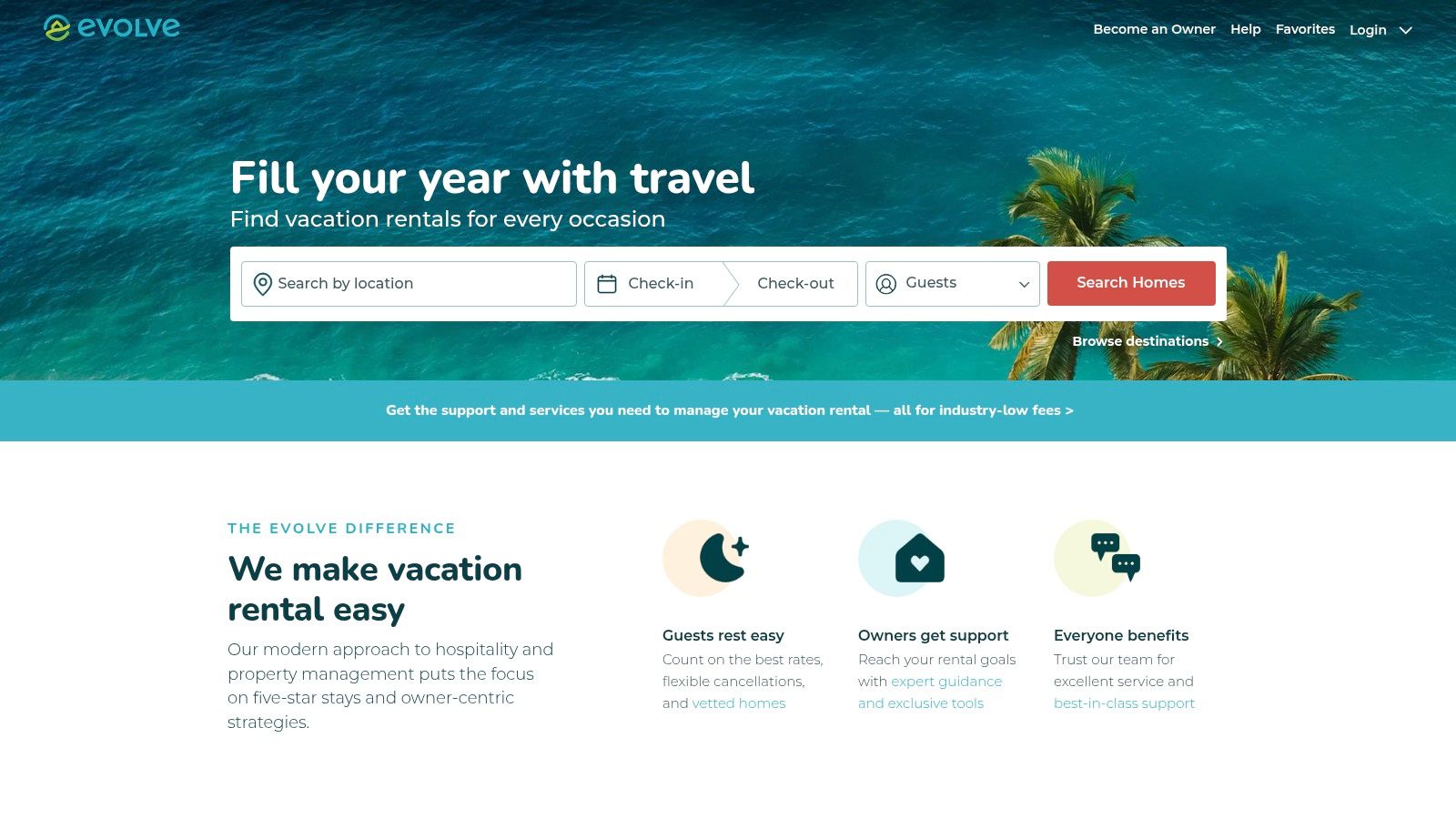
Evolve operates as a hybrid between a listing platform and a full-service management company, making it one of the more unique alternatives to Airbnb. It handles the marketing, booking, and guest communication aspects for hosts, distributing listings across its own site, Airbnb, Vrbo, and others, while owners manage the on-the-ground cleaning and maintenance. This model appeals to hosts who want to offload the digital side of hosting without handing over complete control of their property. Evolve's promise of vetted homes and consistent guest support creates a trusted environment that attracts travelers looking for reliability.
Key Details for Hosts
Host Fees: Evolve charges a competitive 10% management fee per booking, which is one of the lowest in the full-service management space. There are no long-term contracts or sign-up fees.
Target Guests: Primarily U.S.-based travelers seeking reliable and professionally managed vacation homes in popular drive-to leisure markets.
Best For: Hosts who want professional marketing and booking management without the high cost of a traditional property manager, and who are comfortable handling their own cleaning and maintenance.
Pros: Broad marketing reach across multiple OTAs. Dynamic pricing technology aims to maximize revenue. Consistent listing standards and professional photography are included.
Cons: Less control over pricing and booking policies. The model requires hosts to have reliable local teams for cleaning and upkeep. Not available in all markets.
Platform Link: https://evolve.com/
Practical Tips for Hosts
If you partner with Evolve, your primary responsibility becomes the physical condition of your property. It's essential to have a dependable cleaning crew and a system for maintenance requests. Since Evolve manages the guest-facing digital experience, you can complement their service by focusing on in-person hospitality. For example, using a tool like a digital guidebook allows you to share hyper-local recommendations and home instructions, adding a personal touch that Evolve’s standardized communication might not cover. This creates a powerful combination of professional management and personal hosting.
7. HomeToGo
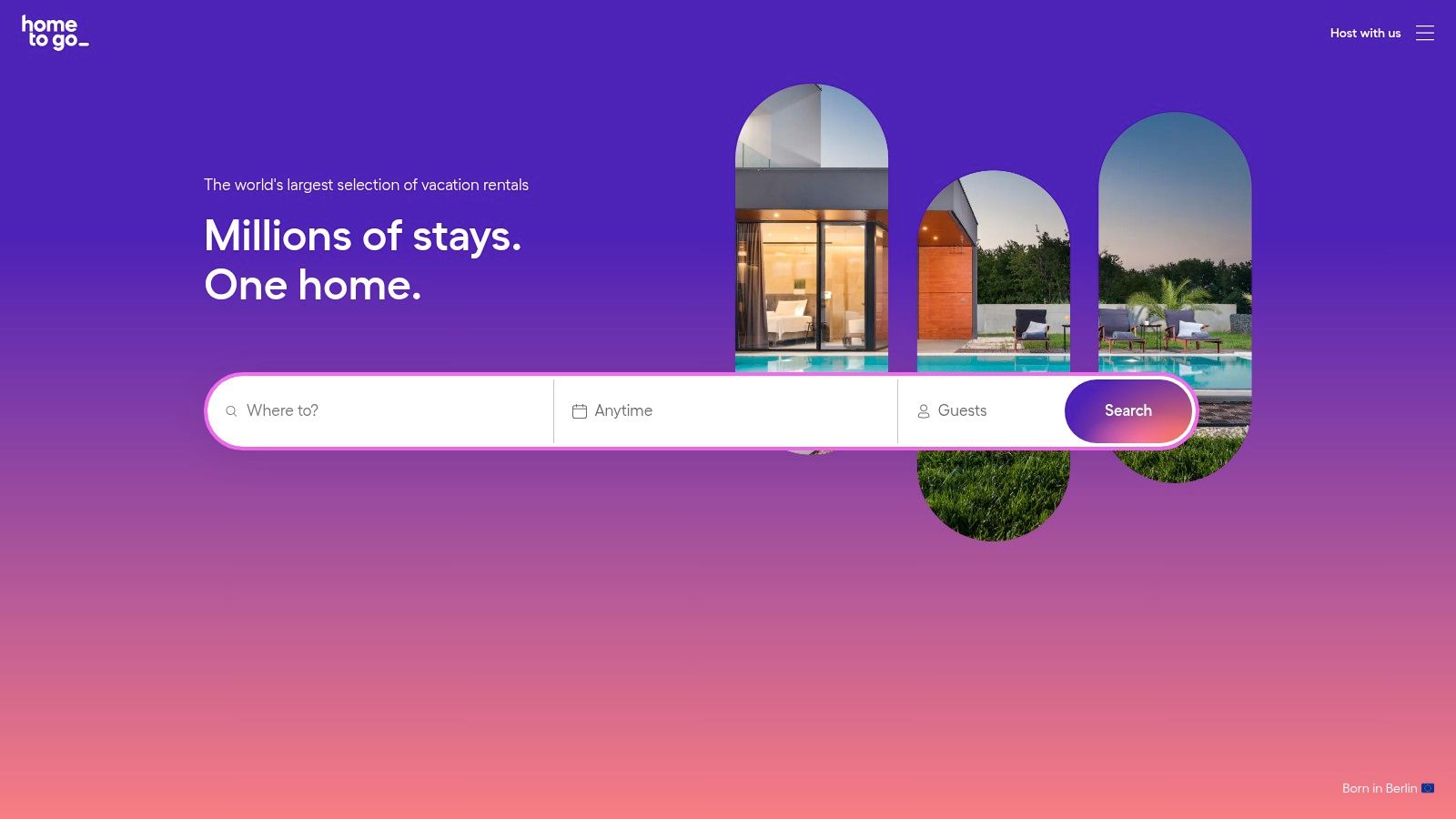
HomeToGo functions as a vast metasearch engine for vacation rentals, making it a unique kind of alternative to Airbnb. Instead of being a direct booking platform, it aggregates millions of listings from a wide array of partners, including major players like Vrbo, Booking.com, and TripAdvisor. For hosts, this means your property might already be on HomeToGo if you're listed with one of its partners. Its primary value is offering guests a single place to compare prices, availability, and properties across the web, which can drive traffic to your original listing from deal-savvy travelers.
Key Details for Hosts
Host Fees: Since HomeToGo is an aggregator, hosts do not pay fees directly to the platform. Instead, you pay the commission or subscription fees of the primary booking site where your property is listed (e.g., your Vrbo or Booking.com fees).
Target Guests: Price-conscious travelers and planners who want to compare all their options in one place before booking. They are often looking for the best possible deal for their desired dates and location.
Best For: Any host already listed on major OTAs like Vrbo or Booking.com. It provides an additional, passive marketing channel without requiring any extra work or direct listing management.
Pros: Increased visibility and exposure to a massive global audience without additional effort. Can drive bookings from users who might not have found your property on its original platform.
Cons: You have no direct control over your listing on HomeToGo; it simply mirrors your listing from the source site. Customer support issues are handled by the partner platform, which can sometimes confuse guests.
Platform Link: https://www.hometogo.com/
Practical Tips for Hosts
Because you can't manage your HomeToGo presence directly, the best strategy is to ensure your listings on its partner sites are perfectly optimized. High-quality photos, competitive pricing, and a compelling headline on your primary platform (like Vrbo or Booking.com) will translate directly to a stronger appearance on HomeToGo. Think of it as a force multiplier; any effort you put into your main listings gets amplified through aggregators like this. Always ensure your calendar is perfectly synced, as the increased visibility from multiple sources raises the risk of double bookings.
8. Hipcamp
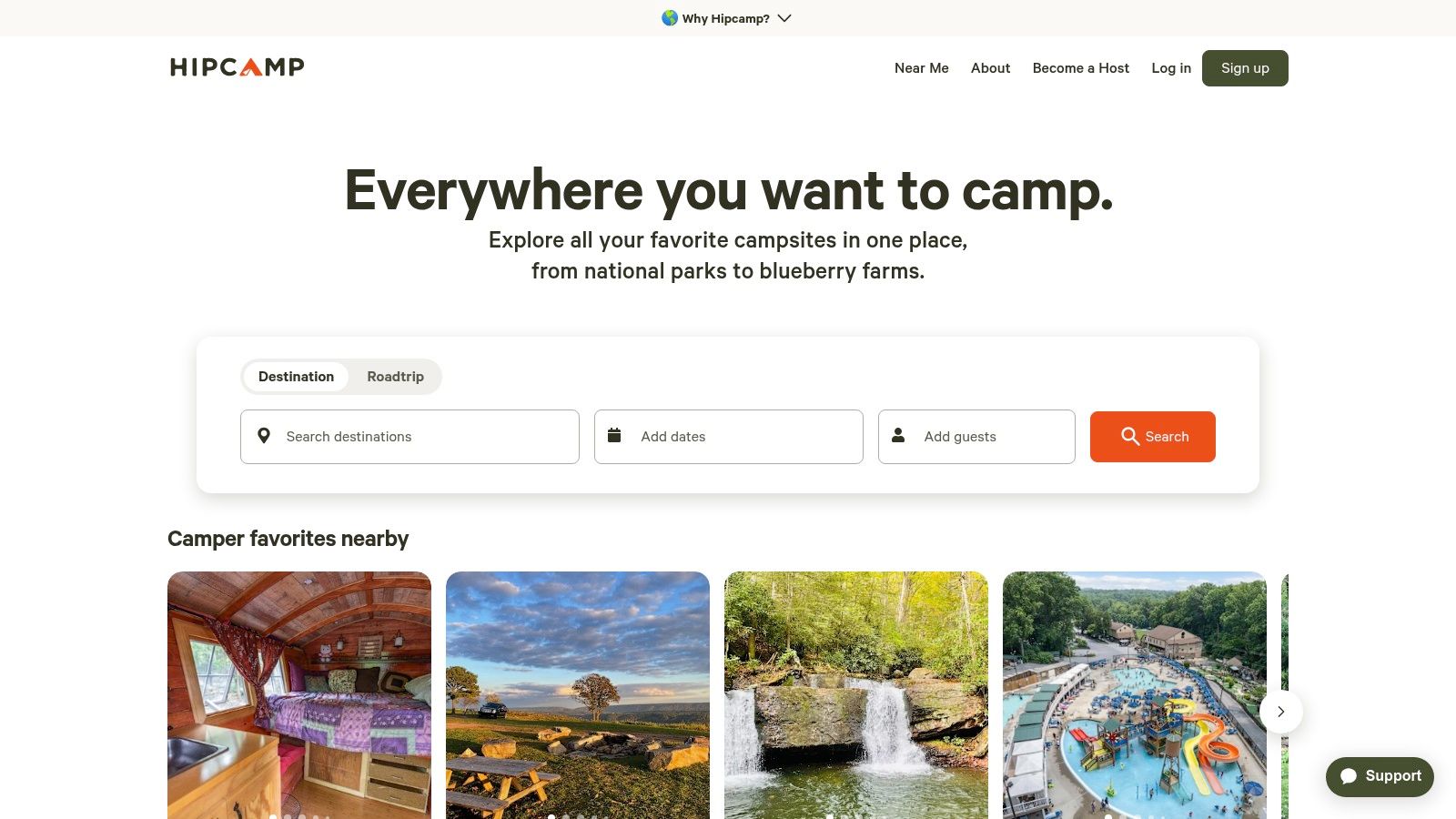
For hosts with land, cabins, or unique outdoor setups, Hipcamp is an exceptional alternative to Airbnb that taps into the booming nature travel market. It’s often described as "Airbnb for camping," but its inventory extends far beyond tent sites to include glamping, RV parks, treehouses, and rustic cabins. This platform connects landowners with a community of campers and outdoor enthusiasts actively seeking authentic, nature-centric experiences, a niche that is often underserved on traditional vacation rental sites. For property owners in rural or scenic areas, Hipcamp provides direct access to a dedicated and appreciative audience.
Key Details for Hosts
Host Fees: Hipcamp charges a 10% commission on the host's payout. This is a straightforward, pay-per-booking model with no subscription fees or credit card processing charges for the host.
Target Guests: Outdoor enthusiasts, campers, "glampers," families, and road-trippers looking for unique stays in nature, from basic tent sites to fully-equipped cabins.
Best For: Landowners, farmers, and hosts with rural properties, cabins, yurts, A-frames, RVs, or any unique outdoor accommodation.
Pros: Access to a highly targeted, niche audience of nature lovers. Simple, all-inclusive commission structure and includes property liability insurance up to $1M.
Cons: Limited audience for urban or traditional indoor properties. The guest expectations and required amenities are very different from a typical short-term rental.
Platform Link: https://www.hipcamp.com/
Practical Tips for Hosts
Success on Hipcamp hinges on accurately portraying the "off-grid" or natural experience. Be transparent about amenities, especially bathroom facilities, water access, and cell service. High-quality photos showcasing the landscape, starry skies, or unique features of your land are your most powerful marketing tool. Since Hipcamp guests are self-sufficient, a digital guidebook can still be a huge asset. You can use it to provide trail maps, identify local wildlife, or give instructions for a fire pit or outdoor grill, enhancing their connection to your property.
9. Tripadvisor (Vacation Rentals Metasearch/Directory)
Once a direct booking platform, Tripadvisor now functions primarily as a powerful metasearch engine and travel planning ecosystem. It aggregates listings from major partners like Vrbo and Booking.com, making it a valuable research tool for travelers and an indirect marketing channel for hosts. While you can't list directly on Tripadvisor anymore, its massive audience uses the platform to plan entire trips, from flights to activities. Having your property appear here via a partner site places you in the broader travel context, leveraging Tripadvisor's trusted brand and extensive review library to build guest confidence.
Key Details for Hosts
Host Fees: There are no direct fees from Tripadvisor. The fees you pay are determined by the partner platform (e.g., Vrbo, Booking.com) where the guest ultimately books your property.
Target Guests: A broad spectrum of global travelers in the planning phase, researching destinations, and comparing accommodations alongside hotels and activities.
Best For: Hosts already listed on major OTAs that partner with Tripadvisor, seeking to maximize visibility and benefit from its reputation as a comprehensive travel resource.
Pros: Exposure to a massive audience actively planning trips. Association with a highly trusted review platform can add credibility to your listing.
Cons: No direct control over your listing; it's managed through the partner site. You are competing with hotels and every other rental in the area on a massive scale.
Platform Link: https://www.tripadvisor.com/VacationRentals
Practical Tips for Hosts
Since your listing is syndicated, the key to performing well on Tripadvisor is optimizing your profile on the source platform (like Vrbo). Ensure your photos are top-notch and your description is compelling, as this is the content Tripadvisor will display. Encourage guests to leave reviews on the platform where they booked, as positive ratings there will improve your visibility across all channels, including this one. Think of Tripadvisor less as a direct booking site and more as a powerful billboard that directs traffic from one of the world's largest travel communities to your primary listings.
10. Furnished Finder
For hosts interested in the mid-term rental market, Furnished Finder is an essential platform and a standout alternative to Airbnb. It carves a specific niche by focusing on monthly furnished rentals (30+ days) primarily for traveling professionals like nurses, corporate relocators, and remote workers. Instead of facilitating nightly bookings, it operates more like a lead-generation and connection service. This model attracts a highly targeted audience seeking stable, longer-term housing, which often means less turnover and more predictable income for hosts. Its strong presence near medical centers and business hubs makes it a go-to for this demographic.
Key Details for Hosts
Host Fees: Furnished Finder charges a simple annual listing fee of $99 per property. There are no commissions or booking fees taken from the rental income, making it highly cost-effective.
Target Guests: Primarily travel nurses, but also corporate travelers, relocating families, and digital nomads seeking furnished accommodations for 30 days or more in the U.S.
Best For: Hosts with entire properties near hospitals, corporate campuses, or city centers who want to secure longer, more stable bookings and avoid the churn of short-term rentals.
Pros: Access to a dedicated pool of professional tenants seeking mid-term stays. Very low platform fees with no commissions, maximizing your rental income.
Cons: It's a listing site, not a booking platform. Hosts are responsible for their own vetting, leases, and payment collection, which requires more hands-on management.
Platform Link: https://www.furnishedfinder.com/
Practical Tips for Hosts
Success on Furnished Finder requires a different approach. Since you handle screening and payments off-platform, it's crucial to have a solid lease agreement and a reliable method for background checks. When a travel nurse sends an inquiry, be prepared to respond quickly with your availability and terms. Highlight amenities that appeal to professionals, such as a dedicated workspace, blackout curtains for night-shift workers, and proximity to major medical facilities. Because these are longer stays, providing a comprehensive digital guidebook with details on local services, from grocery stores to dry cleaners, can significantly enhance the guest experience.
11. Blueground
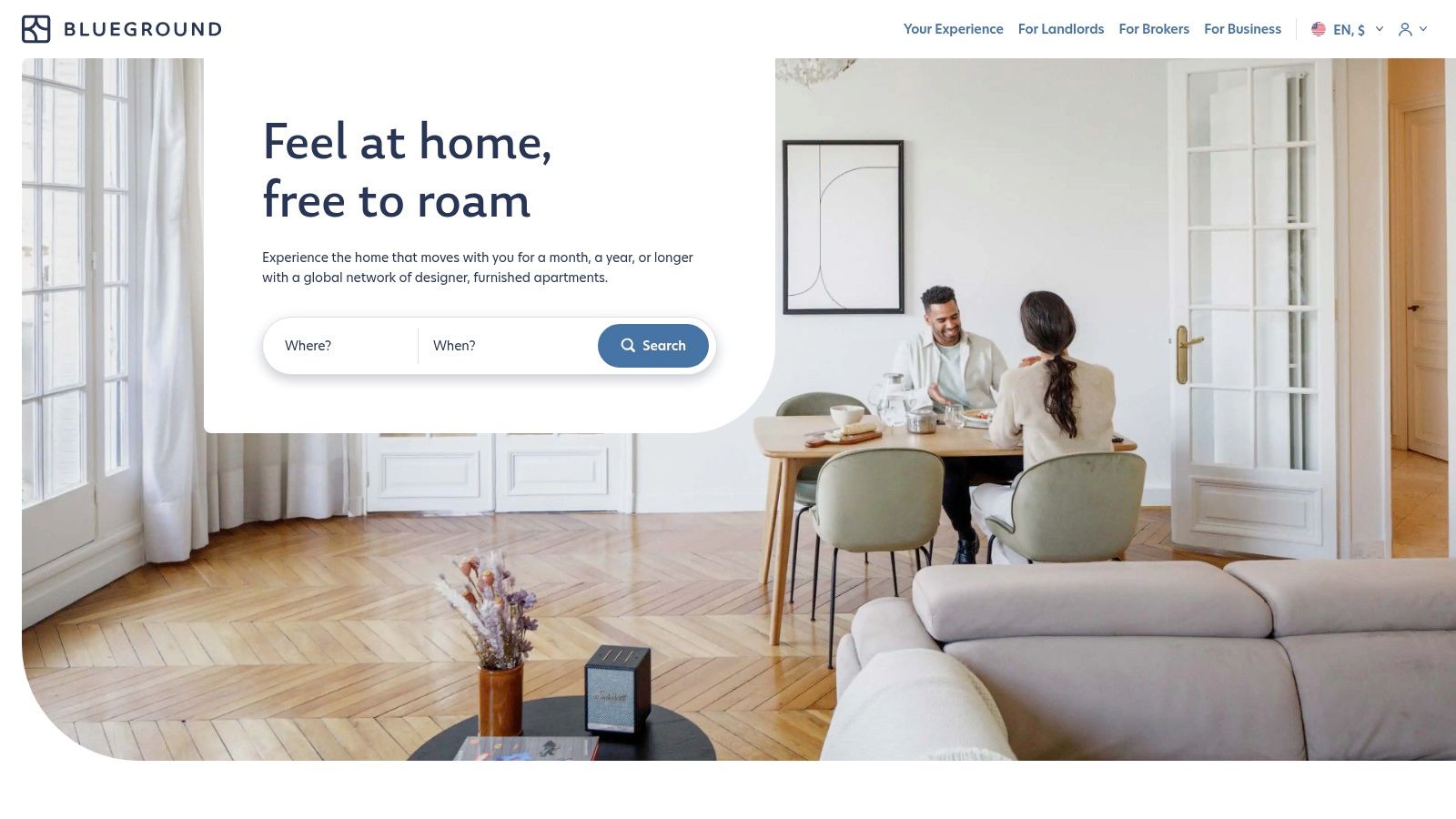
Blueground offers a distinct model that makes it a unique alternative to Airbnb, functioning more like a direct provider of high-end, furnished apartments for extended stays. Instead of connecting individual hosts with guests, Blueground leases properties, furnishes them to a high standard, and then rents them out for stays of 30 days or more. This model caters to a specific niche of business travelers, digital nomads, and individuals relocating who need turnkey, hotel-like consistency and flexibility for longer-term housing. For property owners, Blueground acts as a guaranteed tenant, offering stable, long-term rental income without the operational hassles of short-term guest turnovers.
Key Details for Hosts
Host Fees: There are no direct fees for property owners. Instead of a commission model, Blueground signs a multi-year lease with you, becoming your corporate tenant and paying you a fixed monthly rent.
Target Guests: Professionals on corporate assignment, individuals relocating, and long-stay digital nomads seeking premium, move-in-ready accommodations in major global cities.
Best For: Property investors and landlords in major urban centers who prefer predictable, passive income over the variable revenue and hands-on management of short-term rentals.
Pros: Guaranteed rental income and high occupancy, eliminating vacancy risks. Blueground handles all furnishing, marketing, guest management, and maintenance.
Cons: Less income potential compared to peak-season short-term rentals. You relinquish control over property management and guest interaction.
Platform Link: https://www.theblueground.com/
Practical Tips for Hosts
If you’re considering leasing your property to Blueground, the primary step is to evaluate if your unit meets their criteria, which typically includes prime locations in designated cities and modern building amenities. The appeal here is simplification; you transition from a hands-on host to a hands-off landlord with a single, reliable corporate tenant. This model completely removes the need for guest communication tools, calendar syncing, or direct marketing. It’s an ideal exit strategy for hosts looking to step back from the operational demands of short-term rentals while keeping their investment properties generating consistent revenue.
12. Kasa Living
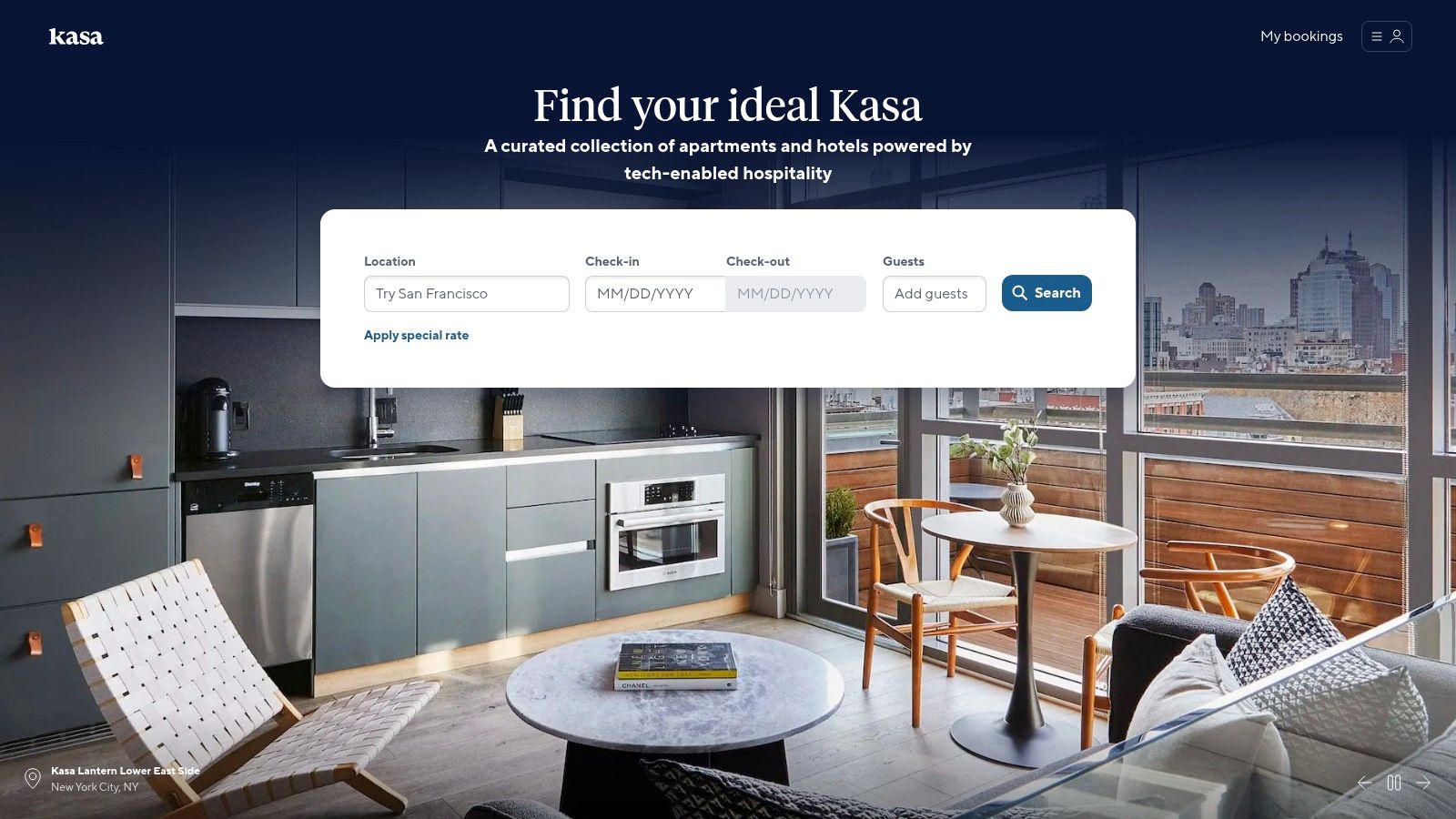
Kasa Living bridges the gap between a private rental and a professional hotel, making it a compelling alternative to Airbnb for hosts looking to partner with a tech-enabled hospitality operator. Rather than a peer-to-peer listing site, Kasa directly leases, manages, and operates apartment-style suites and boutique properties. It standardizes the guest experience with virtual check-in, 24/7 digital support, and consistent amenities, appealing to travelers who want the space of an apartment with the reliability of a hotel. For property owners and developers, Kasa offers a partnership model to take over management, providing a more hands-off income stream.
Key Details for Hosts
Host Model: Kasa partners with real estate owners, developers, and property managers through master leases or management agreements. It is not a platform for individual hosts to list their own properties.
Target Guests: Business travelers, digital nomads, and families seeking multi-night urban stays that offer more space, kitchens, and hotel-like consistency.
Best For: Multifamily building owners, developers, or investors with portfolios of apartment units in major cities who want a hands-off management solution.
Pros: Guaranteed income and professional management for property owners. Kasa handles all operations, from marketing and booking to cleaning and guest support.
Cons: Not an open listing platform for individual hosts. The partnership model has specific requirements and is geared toward larger-scale property owners.
Platform Link: https://www.kasa.com/
Practical Tips for Hosts
If you own a multifamily property and are considering a partnership, vet Kasa's model as you would any long-term tenant or management company. Review their fee structure, lease terms, and performance metrics in your specific market. Because Kasa controls the entire guest experience, your primary role is that of a landlord, making the initial agreement the most critical step. This model completely removes the need for hands-on management, calendar syncing, or direct guest communication, offering a truly passive investment approach.
Comparison of 12 Alternatives to Airbnb
Platform | Core features ✨ | Quality/UX ★ | Price/Value 💰 | Target audience 👥 | Standout/USP 🏆 |
|---|---|---|---|---|---|
Vrbo | Whole-home listings, robust filters, upfront pricing, rewards | ★★★ | 💰 Variable fees; competitive for leisure | 👥 Families/groups, whole-home hosts | 🏆 Very deep U.S. inventory |
Booking.com (Apts & Homes) | Global OTA, map search, pay‑later & free‑cancel options | ★★★ | 💰 Wide range; frequent discounts | 👥 Last‑minute & comparison shoppers | 🏆 Hotels + apartments in one search |
Homes & Villas (Marriott) | Curated managed homes, Bonvoy points, vetted hosts | ★★★★ | 💰 Mid‑to‑high; premium pricing | 👥 Loyalty members, corporate/leisure travelers | 🏆 Marriott brand + Bonvoy rewards |
Plum Guide | Multi‑stage vetting, design‑led properties, detailed disclosures | ★★★★★ | 💰 Mid‑to‑high; premium curation | 👥 Quality‑seeking travelers, special trips | 🏆 Strict “Plum Test” vetting |
Vacasa | Professionally managed homes, app, 24/7 guest support | ★★★★ | 💰 Mid; book‑direct lowest‑rate messaging | 👥 Families, beach/ski markets | 🏆 Hotel‑style standards & 24/7 support |
Evolve | Marketplace + manager, Rest Easy Promise, distribution to OTAs | ★★★ | 💰 Variable; best‑rate messaging | 👥 Drive‑to leisure hosts/guests | 🏆 Consistent listing standards & disclosures |
HomeToGo | Metasearch (15M+), smart filters, map view, AI tools | ★★★ | 💰 Good for deal‑hunting & fee comparisons | 👥 Deal hunters, multi‑site shoppers | 🏆 Aggregates listings across OTAs |
Hipcamp | Campsites, glamping, public land map layers, alerts | ★★★ | 💰 Variable; many low‑cost public options | 👥 Outdoor/nature travelers, campers | 🏆 Unique outdoor & glamping inventory |
Tripadvisor (Rentals) | Partner listings, destination content, massive reviews | ★★★ | 💰 Depends on partner; redirects to book | 👥 Researchers, review‑driven travelers | 🏆 Extensive review ecosystem & forums |
Furnished Finder | 30+ day furnished listings, housing request feature | ★★★ | 💰 Often lower platform fees for monthly stays | 👥 Travel nurses, corporate & mid‑term renters | 🏆 Niche focus on extended furnished rentals |
Blueground | Designer furnished apartments, utilities incl., guest app | ★★★ | 💰 Transparent monthly pricing; pricier than sublets | 👥 Relocations, month+ travelers, corporates | 🏆 Turnkey, move‑in‑ready monthlies |
Kasa Living | Professionally managed aparthotels, digital check‑in/support | ★★★ | 💰 Mid‑range; hotel‑alternative value | 👥 Urban multi‑night stays, business travelers | 🏆 Hotel reliability + apartment space |
Final Thoughts
Stepping beyond Airbnb can feel like venturing into uncharted territory. For years, the platform has been the default for so many of us. Yet, as we've explored, the world of short-term rentals is far more diverse and vibrant than a single platform can represent. The key takeaway from this deep dive into alternatives to Airbnb isn't that you must abandon what's working, but rather that you have incredible opportunities to refine your strategy, reach new guests, and build a more resilient hosting business.
From our own experience managing properties, relying solely on one channel is like putting all your eggs in one basket. A sudden algorithm change or a new fee structure can significantly impact your revenue overnight. Diversifying your listings across multiple platforms is the single most powerful step you can take to protect your income and grow your reach.
How to Choose Your Next Platform
The right choice isn't universal; it's deeply personal to your property and your hosting style. As you weigh your options, revisit these core questions:
Who is your ideal guest? If you're targeting high-end luxury travelers, a curated platform like Plum Guide might be a logical fit. For road-tripping families, Vrbo remains a powerhouse. For a steady stream of business from traveling professionals, Furnished Finder is unmatched.
What is your management style? Are you a hands-on host who enjoys direct communication, or do you prefer a more set-it-and-forget-it approach? Full-service management companies like Vacasa and Evolve cater to the latter, while platforms like Booking.com and Vrbo give you complete control.
What is your property's unique appeal? A rustic cabin will thrive on Hipcamp. A chic, design-forward apartment in a major city is Plum Guide's bread and butter. A comfortable home near a business district might be perfect for Blueground. Don't just list your property; match its strengths to the platform's audience.
Actionable Next Steps for a Multi-Platform Strategy
Making the leap can feel overwhelming, so here's a simple, practical path forward based on what has worked for us:
Start Small: You don't need to be on ten platforms by next week. Choose just one new alternative to Airbnb that aligns best with your property and goals. Focus on creating a stellar, optimized listing there first.
Synchronize Your Calendars: Before you publish your new listing, ensure your calendar is synced across all platforms using a reliable channel manager or the platforms' native iCal integrations. This is non-negotiable to prevent double bookings and maintain your reputation.
Standardize Your Core Operations: The guest experience should be consistently excellent, regardless of where the booking originated. This is where centralizing your operations becomes critical. Your cleaning protocols, check-in instructions, and house rules should be the same everywhere.
Unify Your Guest Communication: Answering the same questions about Wi-Fi or trash day on three different platforms is inefficient. A centralized tool that provides a single source of truth for all your guests is essential for scaling. This ensures a professional, consistent experience every time.
Ultimately, the goal is to build a diversified, adaptable, and guest-centric hosting business. By thoughtfully selecting from the many excellent alternatives to Airbnb, you empower yourself to connect with a wider audience, reduce platform dependency, and take control of your success. The landscape is rich with possibility, waiting for savvy hosts like you to explore it.
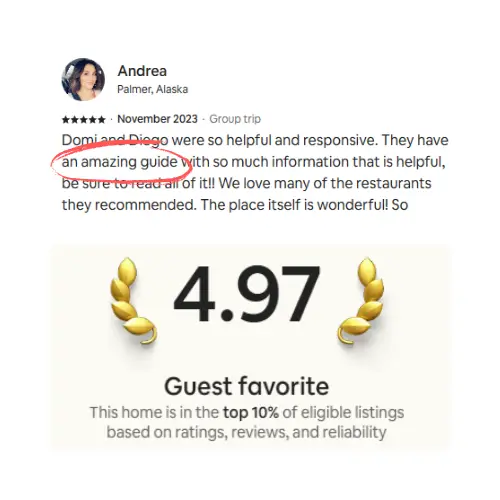
No matter which booking platforms you choose, delivering a seamless guest experience is what earns five-star reviews and repeat visits. SmoothStay is built by hosts, for hosts, to help you create a beautiful, AI-powered digital guidebook. Our customizable templates and guest-first features let you centralize all your property information and local recommendations, delighting guests from any channel. Build a better stay and streamline your communication with fair, scalable pricing today.